Leave Your Message
0%

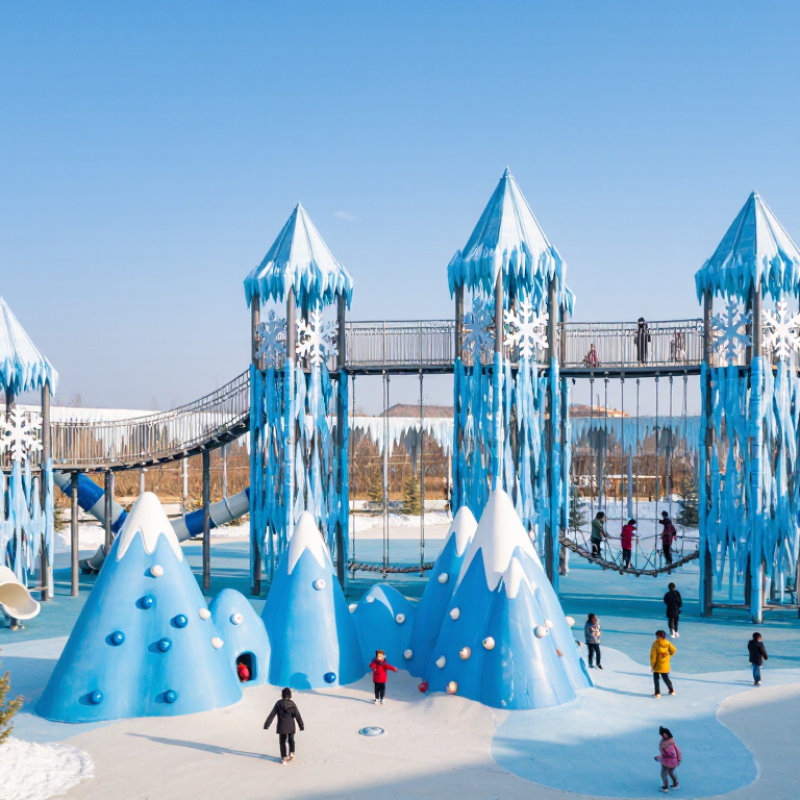
Choosing a Frozen Theam Outdoor Playground can turn a plain open space into a little winter adventure. Think snowflake panels, icy-blue towers, silver railings, mountain-shaped climbing walls — right away, it tells a story. Kids get to run, climb, balance, slide, and just ... imagine.

But the appeal isn’t only about looks. A good Outdoor Playground needs themed details, sure, but also materials that have been tested, solid foundations, rounded edges, and challenges that actually fit the age group. Experienced designers think about circulation, visibility, drainage, shade, and maintenance before they pick each piece. Those things help caregivers keep an eye on kids comfortably and make safer daily use possible. Textured platforms can add grip, and durable coatings can hold up to sun, rain, and lots of movement. Small design choices matter.

They really do.

A Frozen Theam Outdoor Playground can also help a venue stand out. Resorts, schools, family parks, community spaces — a memorable setting can draw people in. Still, a pretty theme can’t replace thoughtful planning. Some early concepts look great but don’t offer much movement variety, or they end up being a pain to maintain. That’s a real weakness worth talking about. The best results usually come from balancing storytelling, accessibility, safety, and long-term value. Designers should go over the layout with operators, caregivers, and kids whenever they can. Their feedback often catches things that were missed, like crowded entrances or confusing pathways. With professional planning and regular inspections, a frozen-inspired playground can stay inviting, practical, and dependable through all kinds of seasons.
Why Choose a Frozen Theme Outdoor Playground?

Frozen Playgrounds Defined: Themed Equipment, Storytelling, and Active Play

Why Choose a Frozen Theme Outdoor Playground?

Frozen playgrounds turn ordinary equipment into an active story. Children may climb an “ice mountain,” cross a bridge, and slide toward a pretend snow village. This sequence encourages movement, cooperation, and imaginative decision-making. The World Health Organization recommends at least 60 minutes of moderate-to-vigorous activity daily for children aged 5–17. A well-designed themed playground can make that movement feel natural rather than required.

Professional design still matters. The U.S. Consumer Product Safety Commission estimates that about 200,000 children receive emergency treatment for playground injuries each year in the United States. Falls remain a major concern. Rubber Tiles Outdoor Playground surfaces can help create a more forgiving landing area when installed with suitable thickness, drainage, and maintenance. Equipment should also include clear sightlines, safe climbing heights, rounded edges, and accessible routes. Pretty details are not enough.

Storytelling needs restraint. Not every icy castle works. A frozen theme can become decoration if children cannot interact with it. Designers should balance tunnels, low platforms, sensory panels, slides, and open running space. Small visual imperfections may even invite children to invent their own stories. That is useful, though not always predictable. Operators should inspect surfacing, fasteners, and high-use areas regularly, following applicable playground safety standards and documented inspection procedures.

Safety Priorities: CPSC Reports 200,000 U.S. Playground Injuries Annually

Why Choose a Frozen Theme Outdoor Playground?

Safety must shape every design decision. The U.S. Consumer Product Safety Commission reports about 200,000 playground injuries annually among children under 14. Its Public Playground Safety Handbook identifies falls as the leading injury mechanism. A frozen theme should never make safety feel cold or secondary. Soft, impact-attenuating surfacing beneath climbing areas can reduce injury severity. Use engineered wood fiber, rubber tiles, or another tested surface that meets ASTM F1292 performance requirements.

Visual details should support supervision. Frost-blue panels, snowflake cutouts, and rounded “ice” shapes can create a winter atmosphere without sharp edges. Avoid real ice, glossy ramps, or slippery coatings. They look convincing, but they introduce unnecessary hazards. Keep sightlines open between slides, platforms, and entry points. Clear routes also help adults reach a child quickly. CPSC guidance recommends regular inspections, secure hardware, suitable guardrails, and age-appropriate equipment.

The small details matter.

Operators should check loose surfacing, exposed foundations, damaged panels, and worn fasteners before opening each day. After heavy rain, surfacing may shift away from high-use exits. That issue is easy to miss. Staff training and written inspection records strengthen accountability, although records alone cannot replace careful observation. A frozen theme can be memorable, but it should remain bright, tactile, and easy to monitor. The safest design may be less dramatic than the first concept.

Why Choose a Frozen Theme Outdoor Playground? - Safety Priorities: CPSC Reports 200,000 U.S. Playground Injuries Annually

Safety Dimension Verified U.S. Data What It Means for a Frozen Theme Playground Recommended Safety Priority
Annual Playground Injuries The U.S. Consumer Product Safety Commission reports that more than 200,000 children aged 14 and younger receive emergency-department treatment for playground-related injuries each year. A visually engaging design should be paired with documented safety controls, inspection procedures, and age-appropriate play zones. Use certified equipment, clear supervision rules, and a written inspection schedule.
Most Common Injury Mechanism CPSC guidance identifies falls as the leading cause of playground injuries, accounting for approximately 79% of reported playground injuries in the cited analysis. Climbing towers, slides, and themed platforms require carefully designed fall zones and protective surfacing. Prioritize impact-attenuating surfacing, guardrails, barriers, and compliant platform heights.
Public Playground Exposure CPSC materials state that approximately 75% of playground injuries occur on public playgrounds. High visitor turnover makes durable materials, visible rules, and frequent inspections especially important. Plan for commercial-use durability and document daily, monthly, and annual checks.
Protective Surfacing CPSC recommends protective surfacing beneath and around playground equipment, extending beyond the equipment’s use zones and maintained at an appropriate depth. Snow-and-ice visual themes can be created with color and graphics while keeping the actual surface slip-resistant and impact-absorbing. Select tested surfacing, control displacement, and inspect for compaction, wear, or exposed hard edges.
Entanglement and Entrapment CPSC playground guidance warns that openings, ropes, cords, clothing, and accessories can create entrapment or entanglement hazards. Decorative icicles, snowflake cutouts, ropes, and narrow themed openings must not create head, neck, finger, or clothing traps. Check openings and decorative elements against applicable playground safety requirements before use.
Age Separation CPSC recommends designing and labeling play areas for distinct age groups, commonly ages 2–5 and 5–12, to match children’s abilities and risks. A Frozen-inspired layout can provide separate low-height areas for younger children and more challenging features for older children. Use age-appropriate equipment, signage, transitions, and physical separation between play zones.
Visibility and Supervision CPSC recommends layouts that allow caregivers to observe children easily and avoid visual obstructions. Large themed panels, towers, and decorative elements should not block sightlines across slides, platforms, or circulation paths. Keep sightlines open, provide readable rules, and position seating where caregivers can monitor activity.
Inspection and Maintenance CPSC recommends routine inspection and maintenance of equipment, surfacing, hardware, and surrounding areas to identify hazards before injuries occur. High-touch themed finishes and exposed outdoor components need regular checks for fading, cracking, corrosion, loose fasteners, and sharp edges. Maintain inspection records, repair defects promptly, and close unsafe equipment until corrective work is complete.

Sources: U.S. Consumer Product Safety Commission, Public Playground Safety Handbook; CPSC playground safety materials and injury-prevention guidance. Data points should be interpreted together with the latest applicable ASTM and local safety requirements.

Fall Prevention: CPSC Data Attribute 79% of Playground Injuries to Falls

Why Choose a Frozen Theme Outdoor Playground?

Fall Prevention: CPSC Data Attribute 79% of Playground Injuries to Falls

A themed playground should feel magical, but safety must lead the design. U.S. Consumer Product Safety Commission data attribute about 79% of playground injuries to falls. This finding comes from injury surveillance reviewed in the CPSC Public Playground Safety Handbook. The number is difficult to ignore. A child may slip from a platform, miss a step, or land beside a slide.

A Frozen Theme Outdoor Playground can use familiar winter imagery without creating icy surfaces or risky layouts. Blue panels, snowflake details, and castle-like towers can guide children through clear play zones. Yet appearance never replaces tested protection. Impact-attenuating surfacing, suitable fall zones, guardrails, and controlled platform heights matter more than decorative elements. ASTM F1292 addresses playground surfacing impact performance, while ASTM F1487 covers public playground equipment safety. These standards support informed planning, though supervision remains essential. No design removes every mistake.

Tips: Inspect loose-fill depth and drainage after rain. Keep sightlines open around slides and climbing features. Check handholds for sharp edges, movement, or cracking. Match equipment to the child’s age and ability. Ask an experienced inspector to review the Playground Outdoor Amuseme Park before opening. Daily checks can feel repetitive. They still catch small problems early. A bright theme may attract attention, but careful maintenance earns trust.

Physical Activity Benefits: WHO Recommends 60 Minutes of Daily Activity

Why Choose a Frozen Theme Outdoor Playground?

A frozen theme can turn a routine outdoor area into a Playground For Children Outdoor where movement feels like exploration. Children climb “ice cliffs,” cross stepping stones, and chase moving shadows beneath pale-blue structures. These choices support vigorous play without making exercise feel like a lesson. The World Health Organization’s Guidelines on Physical Activity and Sedentary Behaviour (2020) recommend at least 60 minutes of moderate-to-vigorous activity daily for children and adolescents. That hour can include school, walking, sports, and active playground time. Every minute matters. A 2019 analysis in The Lancet Child & Adolescent Health used WHO-linked data from 146 countries. It found that 81% of adolescents were insufficiently active. That figure should make designers uncomfortable.

A well-planned frozen setting can encourage repeated visits. Slides, low balance paths, climbing nets, and open running zones create different intensity levels. Adults can observe children accelerate, pause, recover, and try again. This matters because practical observation often reveals more than a colorful concept drawing. Safety still comes first. Impact-absorbing surfacing, clear sightlines, shade, and age-appropriate equipment require professional review. The theme should support movement, not merely decorate it. Some children may avoid the tallest “ice mountain.” That is acceptable. Accessible routes and ground-level features can broaden participation. The design is not perfect. Crowded layouts may reduce running space and create conflicts. Regular monitoring, maintenance records, and family feedback help correct these weaknesses. When physical activity feels visible, playful, and repeatable, the daily 60-minute target seems less distant.

Inclusive Frozen Play: ADA Requires Accessible Routes at Least 36 Inches Wide

Why Choose a Frozen Theme Outdoor Playground?

A frozen theme outdoor playground can turn ordinary play into an icy adventure. Blue panels, snowflake patterns, and mountain shapes create a vivid setting. Yet visual appeal should never reduce access. Under the Americans with Disabilities Act, an accessible route generally requires at least 36 inches of clear width. That space must remain open, stable, firm, and slip-resistant.

Under the Americans with Disabilities Act, an accessible route generally requires at least 36 inches of clear width.

During a site review, measure the route after installing every feature. Posts, edging, drainage grates, and decorative rocks can quietly reduce usable width. A route that looks wide may narrow near a turn. It may also become difficult after rain, sand buildup, or seasonal maintenance. Keep the path continuous from the entrance to play components, seating, and nearby amenities. Consider turning areas for wheelchairs and caregivers, especially around crowded activity zones.

Small details matter.

A thoughtful frozen theme can include textured ice-like surfaces without creating slippery hazards. Use contrast to help children notice pathway edges and changes in direction. Review the layout against current accessibility standards and local requirements before construction. The 36-inch minimum is a starting point, not always the most comfortable choice. Wider routes can support two children, a wheelchair, or an adult walking beside a child. I have seen attractive concepts lose usability because access was considered too late. That mistake is preventable, but it requires honest reviews at every design stage.

Safety Compliance: ASTM F1487 and EN 1176 Set Equipment Benchmarks

Why Choose a Frozen Theme Outdoor Playground?

Safety Compliance: ASTM F1487 and EN 1176 Set Equipment Benchmarks

A frozen theme can create sparkling towers, ice-like slides, and snowy color palettes. However, visual appeal must follow safety engineering, not replace it. ASTM F1487 in the United States and EN 1176 in Europe establish important benchmarks for playground design, installation, and inspection. They address fall height, entrapment hazards, sharp edges, structural strength, guardrails, and impact-attenuating surfacing.

The data remains serious. The U.S. Consumer Product Safety Commission reports approximately 200,000 playground-related emergency department visits among children each year. Falls account for about 79% of reported injuries in its playground injury data. That makes the landing zone especially important. Beneath a frozen-themed climber, certified surfacing should extend beyond the equipment’s fall zone. Loose-fill depth, drainage, and regular displacement checks also matter.

Small details matter.

During site reviews, inspectors often find compressed surfacing near slide exits and worn areas beneath swings. These issues are easy to miss after installation. A theme may also encourage tall “ice castle” elements that reduce visibility for caregivers. That choice deserves reconsideration. Designers should keep sightlines open, provide age-appropriate challenge, and document inspections against the applicable standard. ASTM F1487 and EN 1176 do not guarantee perfect safety, but they create measurable criteria for better decisions, safer maintenance, and more reliable public use.

Why Choose a Frozen Theme Outdoor Playground?

Safety Compliance: ASTM F1487 and EN 1176 Set Equipment Benchmarks

ASTM F1487 is a dedicated public-playground equipment standard, while EN 1176 is a series covering general requirements and specific equipment types. The comparison shows the documented structure of each standard family, not a safety score or a claim that one system is superior. A Frozen theme can be developed within either framework when the equipment, surfacing, layout, installation, inspection, and maintenance meet the applicable requirements.

Long-Term Value: Evaluate Attendance, Dwell Time, Maintenance, and Lifespan

A frozen theme can turn an ordinary visit into a small adventure. For an Outdoor Playground For Children, visual cues matter before play begins. Ice-like textures, snow colors, and animal forms create a clear story without complicated instructions. During site observations, children often pause at the entrance, then invite parents toward climbing features. That first pause can influence attendance. Yet decoration alone is not enough. If the layout feels repetitive, families may leave early.

Long-term value appears in behavior, not just appearance. Track daily entries, repeat visits, and average dwell time by season. A family staying 48 minutes has different value from one leaving after 18. Seating near the play zone can extend visits, especially during colder afternoons. Shade, wind protection, and visible routes also support comfort. I would not promise identical results everywhere. Local weather, school schedules, and nearby attractions can change the numbers.

Maintenance should be planned before installation. Inspect fasteners, impact surfaces, drainage points, and molded panels on a routine schedule. Pale finishes may show dirt quickly, while textured surfaces can hold moisture. Choose replaceable parts and accessible inspection areas. A durable structure may serve for many years, but neglect shortens that lifespan sharply. Budgeting for repairs feels less exciting than choosing a dramatic ice tower. It is still the more honest decision. Good records reveal what needs improvement, even when the original design looked perfect.

FAQS

Why is fall prevention important in a themed playground?

Falls cause a large share of playground injuries. A child may miss a step, slip from a platform, or land beside a slide. Impact-absorbing surfaces and guardrails reduce harm. No design prevents every mistake.

How can a frozen theme support safe play?

Use blue panels, snowflake patterns, and castle-like towers. Avoid real ice or slippery decorative surfaces. Clear play zones help children understand movement paths. Decoration should never replace tested safety features.

What safety features should a frozen outdoor playground include?

Include suitable fall zones, protective surfacing, guardrails, and controlled platform heights. Keep climbing areas away from crowded running paths. Check that handholds have no sharp edges or cracks. The layout may still need adjustment after real use.

How can the playground encourage daily physical activity?

Combine slides, low balance paths, climbing nets, and open running areas. Children can climb, pause, chase shadows, and try again. Different features support different energy levels. Some children may avoid the tallest structure. That is fine.

What should designers consider for children with different abilities?

Provide ground-level activities and continuous accessible routes. Keep pathways firm, stable, slip-resistant, and unobstructed. Wider paths can support a wheelchair and an adult walking beside a child. A beautiful layout can still exclude people.

How wide should an accessible route be?

An accessible route generally needs at least 36 inches of clear width. Measure it after installing posts, edging, grates, and decorative rocks. Turns may become narrower than expected. Wider routes are often more comfortable.

How can staff maintain clear and usable pathways?

Inspect paths after rain, sand buildup, and seasonal maintenance. Remove objects that block entrances or turning areas. Check drainage carefully. A small puddle can change the route.

What should supervisors inspect before opening each day?

Check loose-fill depth, drainage, surfacing, handholds, slides, and climbing features. Keep sightlines open for adults. Match equipment with children’s ages and abilities. Daily checks feel repetitive. They still find small problems early.

How can feedback improve the playground after opening?

Watch where children stop, crowd, or avoid certain features. Ask families about access, comfort, and confusing pathways. Record repairs and repeated maintenance issues. The original design is not always right. Real behavior reveals weaknesses.

Conclusion

A Frozen Theam Outdoor Playground transforms outdoor recreation into an immersive experience that combines themed equipment, storytelling, and active play. Its imaginative setting can encourage children to explore, move, socialize, and enjoy meaningful physical activity while engaging with a memorable environment. Since falls account for approximately 79% of playground injuries, thoughtful design should prioritize impact-absorbing surfaces, safe layouts, guardrails, clear sightlines, and regular inspections. These measures are especially important given the large number of playground injuries reported annually in the United States.

A well-designed playground should also support health, inclusion, and long-term value. It can help children work toward the recommended 60 minutes of daily physical activity while providing accessible routes that are at least 36 inches wide. Compliance with ASTM F1487 and EN 1176 provides useful benchmarks for equipment safety and performance. Before investing, operators should evaluate expected attendance, visitor dwell time, maintenance requirements, material durability, and projected lifespan to ensure the playground remains safe, engaging, accessible, and cost-effective over time.
Madeline

Madeline

Madeline is a dedicated marketing professional at Liexuoe Amusement Equipment (Shanghai) Co., Ltd., where she leverages her extensive knowledge of the company’s innovative products to drive effective marketing strategies. Her expertise is evident as she regularly updates the company's professional......
Previous What Is an Outdoor Playhouse and Swing Set?