Leave Your Message
0%

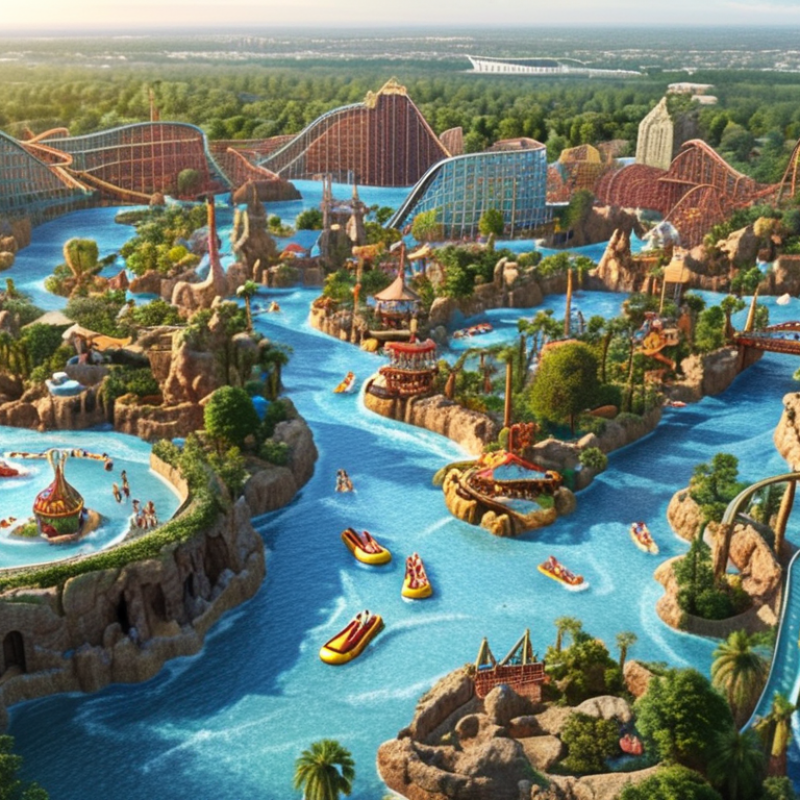
So, you know those amusement parks with Water Parks? They’re pretty much a one-stop spot for fun—think thrilling rides, splash zones, and stuff that’s perfect for the whole family. Honestly, a visit there can easily turn into a full-day adventure. You might start your day racing on a roller coaster, then cool off in a wave pool, and, if you're feeling chill, end up drifting along a lazy river. That mix of attractions really appeals to everyone—families, couples, even groups with a bunch of different ages.

Of course, the best parks strike a good balance between excitement and comfort. Things like clear signs, friendly lifeguards, shaded places to sit, spotless changing rooms, and good food options all make a big difference. Big-name operators such as Disney Parks or Universal know how to weave storytelling into their themes, so even The Splashy water rides feel connected to a bigger adventure. But honestly, just having a cool brand doesn’t mean your day will be perfect—crowds, the weather, long lines, and pricey snacks can all throw a wrench in your plans. So, a little planning goes a long way.

A solid guide should look beyond just the main attractions. You’ll want to check out ticket prices, height restrictions, locker availability, water safety rules, accessibility, and how the park’s open during different seasons. Sometimes, these details can make or break how easy or stressful your visit feels. Plus, keep in mind that everyone’s needs are different—what’s great for a toddler might not cut it for a teenager. No single park is going to make everyone happy, and that’s totally normal.

This overview is all about helping you understand how these combined parks work, what features matter most, and how to compare them fairly. I’m not here to just sing their praises—being practical and realistic is key. Just a heads-up: prices and policies can change pretty quickly, so it’s always a good idea to double-check the latest info directly on the park’s website before making plans.

What Are Amusement Parks With Water Parks?

Definition: How Amusement Parks Integrate Water Park Attractions

What Are Amusement Parks With Water Parks?

Water Amusement Parks combine traditional rides with a dedicated water recreation area. Their design links roller coasters, family rides, slides, wave pools, and lazy rivers within one destination. This integration offers visitors different activity levels during the same visit. A child may enjoy a shallow splash zone while adults choose a high-speed slide. Good planning separates wet and dry pathways. It also provides nearby lockers, changing rooms, shaded seating, and clear signs. The water section should feel connected, not simply added beside the amusement rides.

Tips: Check attraction depth, height rules, lifeguard coverage, and water-quality procedures before entering. Wear secure footwear on hot surfaces. Carry a waterproof pouch for essential items. Short breaks help prevent fatigue, especially after repeated slides and outdoor rides.

Professional operators usually divide attractions by age, swimming ability, and intensity. Filtration systems require regular testing, while lifeguards need clear sightlines and quick access points. Food areas should remain away from pool edges to reduce slipping hazards. Seasonal weather also affects attendance, staffing, and maintenance schedules. However, integration is not always perfect. Crowded paths can make wet visitors uncomfortable near dry attractions. Some parks may also underestimate shade and quiet seating. Careful observation during real visits can reveal these practical weaknesses.

Core Components: Rides, Slides, Pools, Shows, Dining, and Guest Services

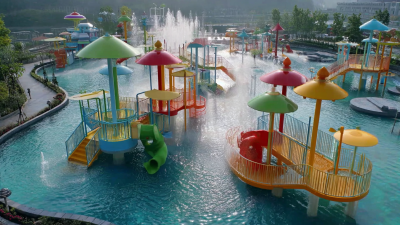
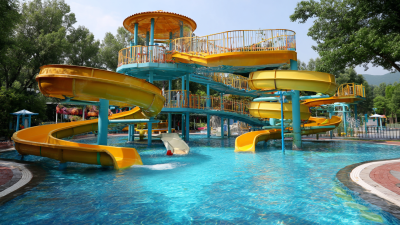
Amusement Water Parks combine the energy of a theme park with the relief of water attractions. Guests may begin with a spinning ride, then cool down beneath a wide tipping bucket. Roller coasters, family rides, and gentle carousels serve different comfort levels. Water slides add speed, height, and sudden turns. Pools create quieter spaces for floating, swimming, or supervised play. From my experience, clear signs and visible lifeguards make busy areas feel more manageable.

Shows also shape the day. Short performances give families a break from queues and heat. Dining areas should offer shaded tables, drinking water, and meals that can be eaten quickly. Guest services handle lockers, lost items, accessibility questions, and minor schedule changes. These details seem ordinary. They strongly affect comfort. I once underestimated walking distances, and the afternoon became more tiring than expected. Better maps could have prevented that mistake.

Tips: Check ride height rules before joining a queue. Bring a waterproof pouch for small essentials. Apply sun protection regularly, even near covered pools. Choose dining times outside the busiest lunch period. Watch children closely around shallow water, because shallow does not always mean risk-free. Leave space between high-speed slides and quiet attractions. A little planning helps, although no schedule survives every crowded day.

What Are Amusement Parks With Water Parks? - Core Components: Rides, Slides, Pools, Shows, Dining, and Guest Services
Core Component Typical Facilities Primary Guest Experience Key Operational Requirements Important Safety and Accessibility Considerations Indicative Planning Metrics
Amusement Rides Roller coasters, family rides, carousels, observation attractions, and moderate-thrill rides. Provides movement-based entertainment for guests seeking family, adventure, or high-thrill experiences. Ride inspections, trained operators, queue management, height and health restrictions, preventive maintenance, and emergency procedures. Clear restraint instructions, accessible loading procedures where feasible, shaded queues, posted height requirements, and assistance for guests with disabilities. Typical capacity: approximately 500–1,500 guests per hour, depending on ride type, vehicle size, loading time, and operating conditions.
Water Slides Body slides, tube slides, raft slides, racing slides, family slides, and children's slides. Combines water-based recreation with speed, elevation, drops, turns, and group interaction. Water flow control, slide-surface inspections, dispatch procedures, landing-zone monitoring, pump systems, and regular cleaning. Minimum height and weight rules, separation between riders, impact-zone supervision, slip-resistant surfaces, and clear instructions before dispatch. Typical ride time: about 20–90 seconds, excluding queue and dispatch time; capacity varies significantly by slide design.
Pools and Water Play Areas Wave pools, lazy rivers, activity pools, splash pads, children's play structures, and shallow relaxation pools. Supports swimming, floating, cooling, social recreation, and low-intensity family play. Continuous water-quality monitoring, filtration, disinfection, lifeguard coverage, depth markers, water-level control, and weather procedures. Visible depth information, designated shallow areas, accessible entry options, life-jacket policies where appropriate, and active supervision of children. Typical water depth: shallow play zones may be below 0.3 m, while wave pools and activity pools commonly use graduated depths.
Live Shows and Entertainment Stage performances, aquatic demonstrations, character-free music programs, seasonal events, parades, and educational presentations. Adds scheduled, low-participation entertainment that encourages guests to rest between rides and attractions. Show scheduling, performer management, audio and lighting systems, crowd control, backstage access, weather contingencies, and technical rehearsals. Accessible seating, unobstructed viewing areas, clear evacuation routes, suitable sound levels, and communication of schedule changes. Typical duration: approximately 15–45 minutes per performance, with capacity based on venue seating and standing areas.
Dining and Refreshments Quick-service restaurants, cafés, snack stands, beverage stations, picnic areas, and indoor or shaded dining spaces. Provides meals, snacks, hydration, and convenient breaks during a full-day visit. Food preparation controls, cold-chain management, handwashing facilities, waste collection, inventory planning, and peak-period queue management. Clearly displayed allergen information, accessible tables, drinking-water availability, hygienic service areas, and options for common dietary needs. Peak demand: usually concentrates around midday, so seating, service counters, and replenishment capacity should be planned for short high-volume periods.
Guest Services Ticketing, information desks, lockers, changing rooms, restrooms, first aid, lost-and-found, rental services, and guest-relations support. Reduces friction before, during, and after the visit while helping guests navigate the park safely. Wayfinding, staffing plans, cashless or cash payment support, incident logging, cleaning schedules, lost-child procedures, and communication systems. Step-free routes, accessible restrooms and changing facilities, multilingual or visual information, quiet assistance options, and clearly marked emergency contacts. Service focus: entry, locker, restroom, and information points should be distributed according to attendance patterns and walking distances.
Safety and Medical Support Lifeguard stations, first-aid rooms, emergency response equipment, security posts, evacuation points, and incident communication systems. Protects guests and employees while enabling fast response to medical, weather, water, and ride-related incidents. Documented emergency plans, staff training, routine drills, communication protocols, equipment checks, and coordination with local emergency services. High-visibility staff, unobstructed emergency access, multilingual instructions, accessible alarms, and clear procedures for severe weather or water emergencies. Operational principle: staffing levels and response coverage should be based on facility risk, attendance, layout, water features, and applicable local regulations.
Landscape and Comfort Infrastructure Shade structures, seating, landscaping, cooling areas, pedestrian paths, storage zones, and weather-protection spaces. Improves comfort, circulation, orientation, and recovery time between active attractions. Landscape maintenance, drainage, surface-temperature monitoring, lighting, irrigation, waste removal, and crowd-flow planning. Slip-resistant walking surfaces, frequent rest areas, shade near queues, accessible paths, handrails, and protection from excessive heat or rain. Planning priority: comfort facilities should be positioned near high-wait areas, pool exits, dining zones, and major pedestrian intersections.
Note: The capacity figures and operating ranges are general planning references rather than universal standards. Actual requirements depend on local regulations, facility design, climate, attendance levels, staffing, and equipment specifications.

Industry Scale: TEA/AECOM Reported 244.6 Million Top-25 Theme Park Visits in 2023

Amusement parks with water parks combine traditional rides, live entertainment, and aquatic attractions in one destination. Guests may move from a roller coaster to a wave pool, lazy river, or shaded children’s splash area. This format extends visits across hot afternoons and gives families different activity levels in one place. A practical visit often includes swimwear, quick-dry shoes, sunscreen, and a secure place for phones.

The scale is significant. The TEA/AECOM report recorded 244.6 million visits to the top 25 theme parks worldwide in 2023. This figure measures visits, not individual people, so one guest may appear several times. That distinction matters when judging market size. It also shows how strongly leisure destinations attract global demand, even as travel costs and weather affect attendance. Water areas can increase comfort, but they require careful cleaning, lifeguard coverage, water-quality testing, and clear crowd management. From an operational view, the hardest issue may be balance: thrilling rides draw attention, while pools need quiet space and steady supervision. My own expectation would be simple, but perhaps unrealistic: every attraction should feel equally accessible. In practice, queue times, shade, changing facilities, and accessibility can vary sharply between areas.

Park Models: Standalone, Resort-Based, and Co-Located Amusement Water Parks

Amusement parks with water parks use three main models: standalone, resort-based, and co-located. Standalone parks sell water attractions as the primary experience. Resort-based parks combine slides, pools, rooms, dining, and longer stays. Co-located parks place dry rides beside a separate water zone, sharing parking, staff, and ticket systems.

The TEA/AECOM Theme Index and Museum Index 2023 reported about 65.5 million visits across the world’s top 20 water parks. That figure shows strong demand, but attendance alone does not prove profitability. A standalone site may need a large seasonal workforce and expensive filtration systems. A resort-based model can extend visits with indoor pools, spa areas, and family rooms. Indoor Pool Amusement Parks also reduce weather risk, especially where cold winters shorten the outdoor season. However, heated water systems can raise energy costs sharply. This trade-off deserves closer study.

Tips: Compare water usage, energy demand, and peak-hour capacity before choosing a model. IAAPA research repeatedly highlights safety training, guest flow, and operational consistency as core performance factors. Walk the site at noon. Look for queue shade, wet-floor control, and visible lifeguard coverage. I would also test the plan during bad weather, not only on a bright opening day. Temperature data, maintenance logs, and repeat-visit surveys often reveal more than a glossy feasibility forecast.

Operations: Capacity Planning, Seasonal Use, Safety, and Water Management

What Are Amusement Parks With Water Parks?

Amusement And Theme Parks with water parks operate as connected demand systems. Their attendance changes sharply with weather, school calendars, and holiday travel. The TEA/AECOM 2023 Global Experience Index recorded 244.6 million visits across the world’s top 25 theme parks. That figure shows the scale, but not the pressure at each entrance. Operators should model hourly arrivals, not only annual attendance. A rainy morning can leave slides empty, then create long queues after lunch. Flexible staffing helps, although forecasts are rarely perfect.

Capacity planning must include rides, changing rooms, dining areas, parking, and emergency access. Water attractions need strict limits based on pool volume and lifeguard visibility. The CDC Model Aquatic Health Code recommends 1–3 ppm free chlorine for pools and a pH range of 7.2–7.8. These are operating controls, not decorative numbers. Staff need documented testing, clear radio procedures, and repeated drills. A crowded wave pool can become difficult to supervise within minutes. Small blind spots matter.

Seasonal use creates another operational problem. Winterizing pipes, protecting filtration equipment, and retaining trained employees require early decisions. Water management also deserves financial attention. The U.S. Environmental Protection Agency estimates that one dripping faucet can waste more than 3,000 gallons annually. Smart meters can track makeup water, backwash losses, and hidden leaks. Still, a dashboard can mislead operators when sensors drift. That weakness needs honest review, especially during peak weekends.

Effective water management is a core operational requirement for amusement parks with water parks. The chart compares CDC minimum free-chlorine recommendations for swimming pools and hot tubs, helping operators plan testing, chemical dosing, and safety checks during periods of high seasonal use.

Reference: U.S. Centers for Disease Control and Prevention, Healthy Swimming guidance.

Visitor Value: How Combined Parks Increase Dwell Time and Revenue Opportunities

What Are Amusement Parks With Water Parks?

Visitor Value: How Combined Parks Increase Dwell Time and Revenue Opportunities

An amusement park with a water park combines dry rides, slides, pools, and family attractions. One admission can support a longer visit. Guests may arrive for a roller coaster, then stay for a wave pool and evening meal.

That extra time creates more commercial moments. Visitors may buy lockers, towels, meals, drinks, photos, merchandise, and premium seating. The TEA/AECOM 2023 Global Attractions Attendance Report recorded about 28.6 million visits across the world’s top 20 water parks. This demand shows that water attractions remain a serious attendance driver, not merely an add-on.

Longer dwell time is valuable, but it is not guaranteed. Poor wayfinding, crowded changing rooms, or limited shade can reduce spending and satisfaction. Operators should track entry time, locker use, food purchases, queue duration, and exit patterns. IAAPA research also emphasizes guest experience and operational efficiency as important parts of attraction performance. These measures connect attendance with real visitor value. The model can fail when capacity planning is weak.

Tips: Design clear routes between dry and wet zones. Offer visible storage, shaded seating, and quick-service food. Test bundled tickets carefully. A discount may increase attendance but reduce revenue per visitor. Review the numbers weekly.

Children’s Water Spraying Play Buckets: Market Insights from Grand View Research and Statista Reports

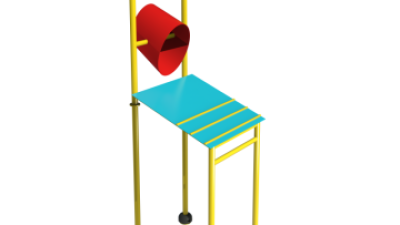
Children’s water-play products continue to attract attention as families seek affordable, engaging outdoor activities. Market insights discussed in Grand View Research and Statista reports highlight the importance of recreational products that combine entertainment, usability, and child-friendly design. Within this category, water spraying play buckets offer a simple way to turn gardens, patios, beaches, and poolside areas into exciting play spaces without requiring complex equipment.

A well-designed children’s splash bucket should deliver a stronger and longer water-spraying range to create more dynamic games. Durable construction is equally important, as children may drop, squeeze, or repeatedly refill the bucket during energetic play. Lightweight materials, smooth edges, comfortable handles, and secure components can improve handling while supporting safer outdoor use. Bright colors, playful patterns, and engaging shapes may also help attract children and encourage imaginative activities, such as target challenges, water races, and group games.

For buyers and retailers, the product’s appeal lies in its combination of repeat play value and straightforward operation. The recommended water spraying play bucket is designed for thrilling water fun, helping children stay active and entertained for hours. Its colorful appearance can appeal to different age groups, while its reinforced structure is made to withstand rough play. Used with clean water and appropriate adult supervision, it can become a practical seasonal toy for families looking to add excitement to outdoor recreation.

FAQS

: What are the main types of amusement parks with water parks?

: Standalone parks focus mainly on water attractions. Resort-based parks add rooms, dining, pools, and longer stays. Co-located parks place dry rides beside a separate water area.

Which model can support longer guest stays?

Resort-based parks usually encourage overnight visits. Family rooms, indoor pools, dining, and spa areas can extend the visit. Yet higher facilities and energy costs may reduce profits.

Do high attendance figures guarantee profitability?

No. Strong attendance does not prove financial success. Seasonal labor, filtration systems, heating, maintenance, and utilities can consume large budgets.

How should operators plan capacity?

They should study hourly arrivals, not only yearly attendance. Planning must include rides, changing rooms, dining areas, parking, and emergency routes.

Why does weather matter so much?

Rain can leave slides empty in the morning. Clear skies may create long queues after lunch. Indoor water areas can reduce winter and weather risks.

What safety details need close attention?

Staff need repeated training, clear radio procedures, and emergency drills. Lifeguards must see pools without major blind spots. Wet floors need frequent inspection.Small gaps can matter.

How should water quality be managed?

Operators should record chlorine and pH readings at regular intervals. Common pool guidance uses 1–3 ppm free chlorine and pH between 7.2 and 7.8.

How can a park control water waste?

Smart meters can track makeup water, filter backwash, and possible leaks. Staff should check dripping taps, pipes, and equipment manually. Sensors can drift.Do not trust dashboards blindly.

What should investors inspect before choosing a park model?

Compare water use, energy demand, peak-hour capacity, staffing, and seasonal conditions. Walk the site at noon. Check queue shade, wet-floor control, and lifeguard visibility.A bright opening day can mislead.

Conclusion

Amusement Parks With Water Parks combine traditional amusement attractions with water-based recreation in one destination. Guests may find roller coasters, family rides, water slides, wave pools, lazy rivers, live shows, dining areas, retail, and essential guest services within the same overall experience. This integrated format can appear as a standalone attraction, part of a larger resort, or two connected parks operating side by side. Its popularity is reflected in the reported 244.6 million visits recorded by the top 25 theme parks in 2023.

Successful operation depends on careful capacity planning, seasonal scheduling, crowd management, safety procedures, staffing, and responsible water use. Park teams must balance dry and aquatic attractions while maintaining cleanliness, comfort, and efficient guest flow. By offering more activities in one location, combined parks can encourage visitors to stay longer, return for different experiences, and spend more on food, services, and other amenities. This model creates value for both guests seeking variety and operators seeking broader revenue opportunities.

Isabella

Isabella

Isabella is a dedicated marketing professional at Lixue Amusement Equipment (Shanghai) Co., Ltd., where she excels in promoting the innovative products of the company. With a deep understanding of the amusement equipment industry, she brings a wealth of knowledge to her role, ensuring that the......
Previous Top 10 Splash Pad Water Park Equipment Manufacturers