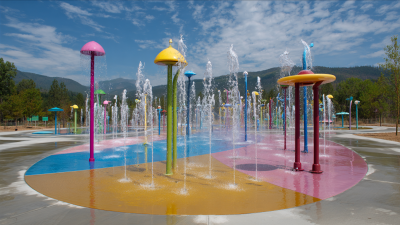
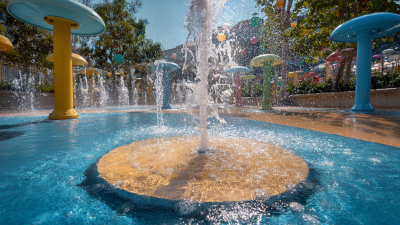
Lately, the popularity of Water Splash Pad Park Equipment has really taken off. I mean, according to a report from the International Association of Amusement Parks and Attractions (IAAPA), these Splash Pads have gone up by more than 30% over the past five years. It makes sense though—families love how fun and interactive these water features are, especially when the weather’s hot and everyone needs a quick way to cool down. Honestly, they’re just perfect for beating the heat while keeping the kids entertained.
Jane Thompson, a well-known expert in aquatic recreation, points out that splash pads aren’t just fun—they encourage kids to be active. And since they’re safer than traditional swimming pools, they’re becoming a big hit with community planners. Plus, no need for lifeguards, which helps keep costs down for local governments.
Of course, it’s not all smooth sailing. Maintaining these splash pads can be a bit of a headache, and sometimes even pretty expensive. Some places have had issues with water quality and safety standards, which is definitely a concern. That’s why it’s super important for operators to keep a close eye on their equipment and programs. Regular check-ups, good planning, and proper education can really help tackle these problems. In the end, investing in sturdy, sustainable Water Splash Pad Park Equipment is a smart move—it benefits both parks and the communities they serve.

What is Water Splash Pad Park Equipment?
Water Splash Pad Park Equipment offers a unique play experience. It combines water features with safe, interactive environments for children. Unlike traditional pools, splash pads provide a more controlled setting. They are designed for children of various ages, promoting sensory play and physical activity.
Many communities are investing in this type of recreational facility. According to recent industry reports, splash pads can increase park usage by up to 40%. This encourages social interaction and community engagement. Water Splash Pad Park Equipment includes Water Jets, fountains, and various spray elements. These features can be tailored to different age groups, making parks more inclusive. However, maintenance can be a challenge. Proper filtration and water quality management are crucial but often overlooked.
Safety is another factor that requires attention. While these parks are designed to be safe, accidents can still occur. Observing children at play is essential. Parents and guardians must remain vigilant. Ultimately, the benefits of Water Splash Pad Park Equipment are substantial. Cities continue to adapt, but there's always room for improvement in design and safety measures.
What is Water Splash Pad Park Equipment and How Does It Work?
| Equipment Type | Description | Functionality | Safety Features |
| Spray Jets | Devices that emit streams of water for children to run through. | Encourages active play and social interaction. | Low water pressure and automatic shut-off. |
| Water Cannons | Interactive devices that allow users to shoot water at targets. | Promotes teamwork and competitive play. | Controlled water flow and impact-resistant materials. |
| Water Curtains | Vertical streams of water that create a curtain effect. | Provides a unique experience and sensory play. | Water depth control and ground drainage systems. |
| Dump Buckets | Large containers that fill with water and dump it on players below. | Adds an element of surprise and excitement. | Secure latches and safe height for dumping. |
| Splash Pads | Flat surfaces with integrated water features for various play activities. | Encourages imaginative play and exploration. | Non-slip surfaces and accessible design. |
Types of Water Splash Pad Features and Installations
Water splash pads have become a popular attraction in public parks and recreational areas. These vibrant spaces offer children an engaging way to enjoy water play without the need for traditional swimming pools. Research conducted by the American Society of Landscape Architects indicates that nearly 70% of communities surveyed wish to incorporate such features into their parks.
When it comes to the types of water splash pad features, the range can be quite diverse. Common installations include ground sprays, water geysers, and splash buckets. Interactive elements, like water cannons and tipping buckets, heighten the excitement. These features encourage cooperative play among children, fostering social skills. Interestingly, a National Recreation and Park Association report found that splash pads can boost park visitation by up to 50%, highlighting their appeal to families.
Yet, the designs aren't always flawless. Some parks face challenges with maintenance and safety. It is crucial to regularly inspect equipment to ensure it functions correctly. Some installations may not fully utilize the available space. Moreover, ensuring adequate shade in these areas can be a problem, affecting the experience. Approaches to enhance user experience with Splash Pad Water Park Equipment continue to evolve, often through community feedback.
Water Splash Pad Features and Their Popularity
How Water Splash Pads Function: Mechanisms Explained
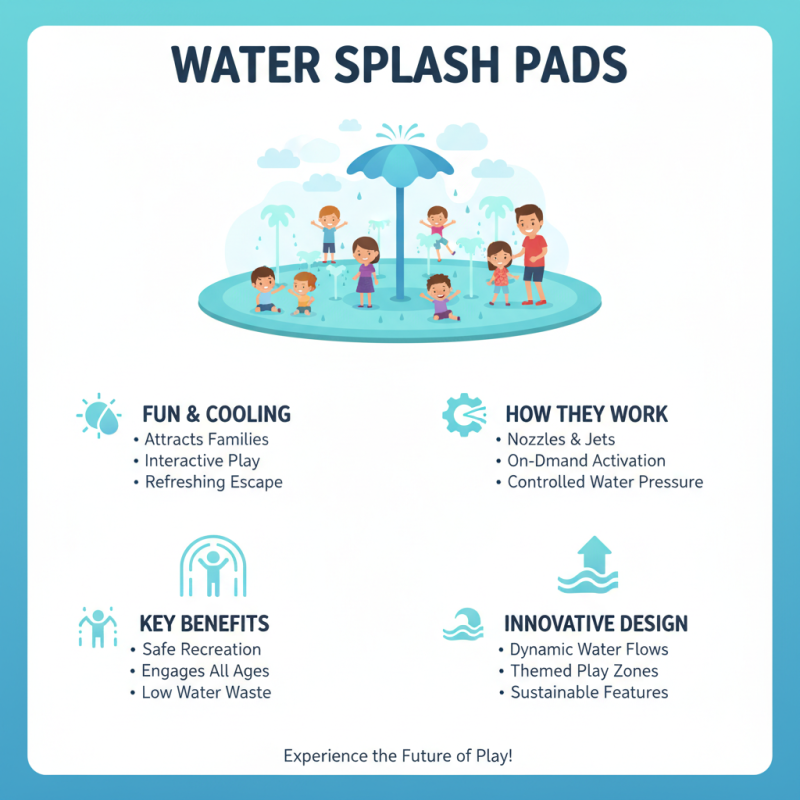
Water splash pads are innovative recreational spaces designed for fun and cooling off. Their primary function lies in how water flows and sprays, attracting children and families. The mechanism involves a system of nozzles and jets. These features activate on demand, creating an interactive experience. Water pressure controls the jets, ensuring bursts of water at various intervals.
The splash pad equipment works without standing water. This reduces risks and maintenance issues compared to traditional pools. Instead, water is often recycled back into the system, promoting sustainability. Sometimes, users notice that some jets may malfunction. Parents can become annoyed when kids want a specific spray. Maintenance becomes crucial in keeping everything functional.
Observation shows that water pressure can vary throughout the day. Sometimes, certain areas may feel less splashy. Users often discuss which components work well and which need improvement. The colorful structures and playful designs catch attention, but practical functionality is key. Parents may wish for more features that engage young visitors. Feedback from users helps improve these splash pad experiences over time.
Benefits of Water Splash Pads for Communities and Families
Water splash pads have become popular in many communities. These interactive water features offer a fun alternative to traditional swimming pools. Families flock to these areas, especially during hot summer months. Splash pads use nozzles and water jets to create a playful environment. Children can run around, splash, and enjoy the water without the need for deep pools. Parents can relax nearby, knowing their kids are safe.
These splash pads are beneficial in various ways. They promote physical activity among children. Kids engage in outdoor play, running and jumping through water sprays. This encourages a more active lifestyle, which is important for health. Additionally, splash pads foster social interactions. Families can bond while playing together, making memories. Often, these spaces become community hubs where people gather.
Commercial Splash Pad Equipment can enhance these experiences. Properly designed features attract visitors. However, it is also essential to maintain hygiene to ensure safety for all users. Regular inspections and cleanings help keep the area inviting. Communities should consider the needs of all ages when designing these spaces. Splash pads can truly bring people together, but they also require careful planning and maintenance.
Safety Considerations for Water Splash Pad Users
When visiting a water splash pad, safety is a key concern for everyone. Supervision is essential, particularly for young children. Wet surfaces can be slippery, increasing the risk of falls. Parents and guardians must keep a close eye on their little ones. Kids are often excited and may dart around, which can lead to accidents.
Another important aspect is the water quality. Splash pads should have hygienic water systems. Contaminated water can pose health risks. Regular maintenance and cleanings are vital to ensure safety. Educators and facility managers must prioritize this. Children should also be informed about hygiene practices, like washing hands after play.
Sun protection is often overlooked. The sun can be harsh, especially during summer months. Sunscreen is a must, even on cloudy days. Wearing hats and UV-protective clothing can help protect from harmful rays. Parents should check for shade structures nearby. Various factors play a significant role in ensuring safety. It's crucial to remain vigilant and consider improvements in safety features.
Maintenance and Care for Water Splash Pad Equipment
Maintaining water splash pad park equipment is essential for safety and enjoyment. Regular checks help identify leaks or broken components. Water quality should also be monitored frequently. Clean water reduces the risk of bacteria and ensures a pleasant experience for visitors.
Cleaning the splash pad is not just about aesthetics. Dirt, algae, and debris can accumulate over time. A thorough wash keeps the surface safe. Using the right cleaning solutions is vital, as harsh chemicals might damage the equipment. It's a balancing act between cleanliness and maintaining equipment integrity.
Equipment wear can be a reality. Parts may become loose or damaged due to constant exposure to water and sunlight. Inspecting equipment regularly can prevent larger issues in the future. It’s important to document maintenance schedules and any repairs. This way, operators can foresee patterns and plan for replacements. A proactive approach can save time and costs down the line.
Trends in Water Splash Pad Design and Technology
In recent years, water splash pads have evolved significantly. Innovations in design and technology are revolutionizing these playful spaces. Modern splash pads now incorporate unique elements, like interactive water features that engage children in various ways. Sensors, lights, and sound effects create a multi-sensory experience. These enhancements make each visit to the splash pad exciting and unique.
One notable trend is the use of eco-friendly materials. Parks are integrating sustainable practices into their designs. For example, recycled materials are now common for constructing splash pad equipment. This not only benefits the environment but also educates children on sustainability. Parents appreciate these choices as they teach kids about taking care of the planet.
Tips: When designing a splash pad, consider the age of children. Younger kids need gentle sprays, while older ones prefer more vigorous fun. Incorporate shade areas for parents to relax. Water management systems are crucial for safety. Ensure water quality is maintained, and check for slippery surfaces regularly. Balancing fun and safety leads to a vibrant community attraction.
FAQS
: The product aims to enhance daily convenience and improve user experience.
Follow the recommended guidelines for best results. Adjust settings based on your needs.
Yes, always handle with care. Avoid exposure to extreme temperatures.
Most people can use it, but some may have sensitivities or restrictions.
Check the instructions again. Restart the device or seek support if needed.
Regular cleaning is advised. Clogged parts may affect performance.
With proper care, it can last several years. Wear and tear may occur.
Review the return policy for information on refunds or exchanges.
Some report setup difficulties. Others may experience performance inconsistencies.
Yes, sharing is possible, but personal preferences may differ. Adjust accordingly.
Conclusion
Water Splash Pad Park Equipment is designed to provide an interactive and enjoyable water play experience for children and families at parks. These splash pads feature a variety of mechanisms, including spray nozzles, jets, and water play structures, all aimed at fostering fun while ensuring safety. Different types of features include water cannons and fountains, making the installations diverse and appealing to users of all ages.
Functioning through a complex system that manages water flow and pressure, water splash pads promote community engagement and social interaction. They offer significant benefits by allowing families to enjoy outdoor environments in a safe and refreshing manner. However, safety considerations such as water hygiene and surface materials must be addressed to protect users. Regular maintenance and care are essential to keep the equipment in optimal condition, while ongoing trends in design and technology continue to enhance the experiences offered by Water Splash Pad Park Equipment.