Lately, the idea of a 'Water House' has been gaining a lot of buzz. It's seen as a pretty cool, eco-friendly way to tackle water-related issues. Basically, a Water House is built to catch, manage, and clean water in a smart way—kind of a mix between modern tech and old-school practices. It’s not just about having clean water; it’s also about making life easier and greener for the folks living there. You’ll find all kinds of designs and features, but the main goal is helping individuals, families, and communities cut down on their environmental impact while still having access to what they need.
What makes Water Houses stand out? Well, they usually come with rainwater collection setups, systems to recycle greywater (that’s water from sinks and showers), and fancy filters to keep everything pure. Using these features, a Water House can seriously cut its reliance on city water supplies and save folks money on water bills. Plus, it promotes a more independent way of living—you control your water, which makes you more resilient during droughts or water shortages. As awareness of the importance of sustainable water management grows, the Water House is starting to look like a pretty awesome example for a more sustainable future.
What is a Water House? Definition and Concept Overview
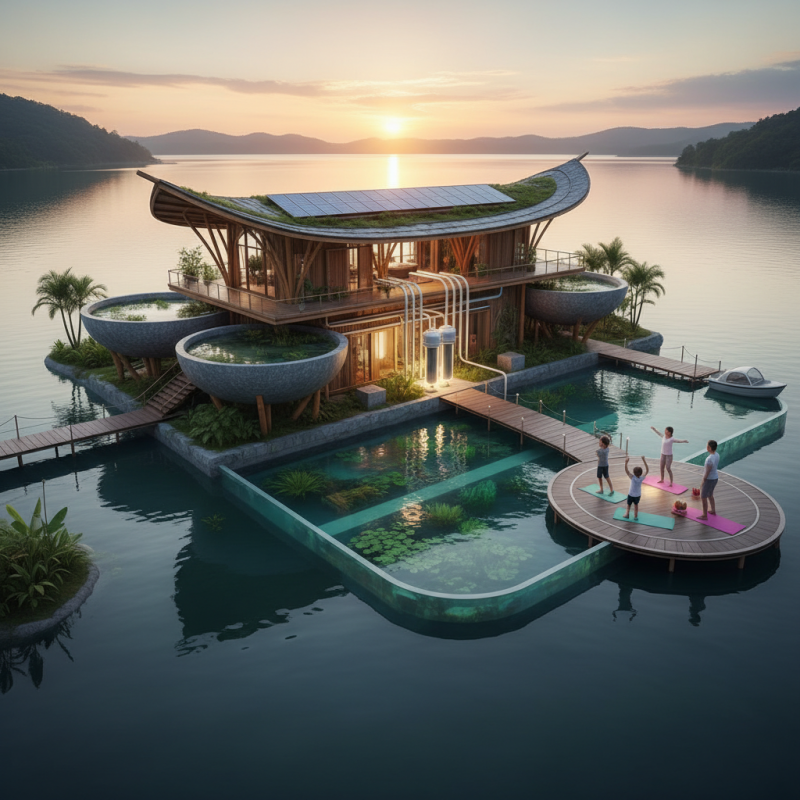
A Water House, fundamentally, is a structure designed to harness, manage, and utilize water resources effectively. Often integrated into both residential and communal spaces, the concept rests on the principles of sustainability and environmental stewardship. These houses incorporate advanced water management systems, which may include rainwater harvesting, greywater recycling, and efficient plumbing fixtures, all aimed at minimizing water wastage and promoting conservation. This innovative approach not only helps in reducing water bills but also contributes significantly to ecological balance.
In addition to their conservation benefits, Water Houses often feature design elements that enhance the living experience. They may incorporate natural elements like Indoor Water features, which promote a calming atmosphere, or strategically placed gardens that absorb excess water and provide natural cooling. The aesthetics of a Water House often intertwine with functional systems, creating a harmonious space that prioritizes both beauty and practicality. In essence, Water Houses represent a forward-thinking solution to modern environmental challenges, emphasizing the importance of responsible water usage in today's world.
Water House Benefits and Features
Key Features of Water Houses: Design and Functionality
Water houses, also known as aquatic homes, are innovative structures designed for sustainable living while maximizing the benefits of their unique environments. One of the key features of a water house is its ability to harmonize with the surrounding aquatic ecosystem, providing residents with direct access to nature and advanced environmental control. According to a recent report from the Global Sustainable Housing Network, homes built on or near water bodies can enhance cooling effects, potentially reducing energy costs by up to 30% during hot months. This natural cooling feature is particularly beneficial in urban areas prone to heat islands.
The design functionality of water houses often incorporates eco-friendly materials and advanced water management systems. For instance, many water houses utilize rainwater harvesting systems to collect and purify water, significantly decreasing reliance on municipal water supplies. A study conducted by the International Water Association indicated that homes utilizing such systems can reduce their water consumption by up to 50%, contributing to overall sustainability efforts. Additionally, these homes are commonly equipped with floating foundations, enhancing their stability and resilience against flooding—an increasing concern in many coastal regions due to climate change. Overall, the integration of eco-conscious design with improved resilience makes water houses an appealing option for future living.
Benefits of Water Houses: Environmental and Economic Impacts
Water houses, designed to float on water bodies, offer a unique solution to environmental challenges while presenting significant economic advantages. One of the primary environmental benefits of water houses is their minimal footprint on land ecosystems. By utilizing waterways for habitation or activities, these structures avoid the disruption of terrestrial habitats, thus promoting biodiversity. Furthermore, the establishment of water houses can contribute to improved water quality. By incorporating eco-friendly designs and technologies, such as rainwater harvesting and natural filtration systems, they can actively participate in maintaining the purity of surrounding water bodies.
From an economic perspective, water houses provide innovative opportunities for sustainable development and tourism. By creating attractive and unique living spaces, they can stimulate local economies through eco-tourism and attract visitors looking for novel experiences. Additionally, water houses often promote self-sufficiency through renewable energy solutions, reducing costs associated with utilities. The ability to harness renewable resources in these floating structures can lead to lower overall expenses for residents and businesses, promoting a sustainable economic model. This dual benefit of environmental preservation and economic development positions water houses as a forward-thinking option for addressing modern challenges.
Sustainability Aspects: Energy Efficiency in Water Houses
Water houses, innovative structures designed to harmonize with their aquatic surroundings, offer a plethora of benefits, particularly when it comes to sustainability. A key feature of these homes is their inherent energy efficiency. According to a report by the International Energy Agency (IEA), buildings account for nearly 40% of global energy consumption. Water houses, through their unique design, can significantly reduce this footprint. With features like thermal mass from surrounding water bodies and natural ventilation, these structures can maintain comfortable indoor temperatures while minimizing reliance on artificial heating and cooling systems.
One of the primary sustainability aspects of water houses is their ability to integrate renewable energy sources effectively. For example, studies indicate that homes using water-based passive cooling systems can reduce energy costs by up to 30%. Furthermore, incorporating rainwater harvesting systems equips these homes with an additional resource, further enhancing their ecological benefits.
**Tip:** If considering a water house, focus on the orientation of windows and doors to maximize natural light and airflow, which can lower energy costs considerably. Additionally, materials used in construction should be sustainable and non-toxic, ensuring a healthy living environment.
**Tip:** Look into smart building technologies that can be integrated into water houses, such as energy management systems, which can optimize energy use and track consumption. This not only reduces the environmental impact but also contributes to long-term cost savings.
Water Supply and Management: Innovations in Water House Systems
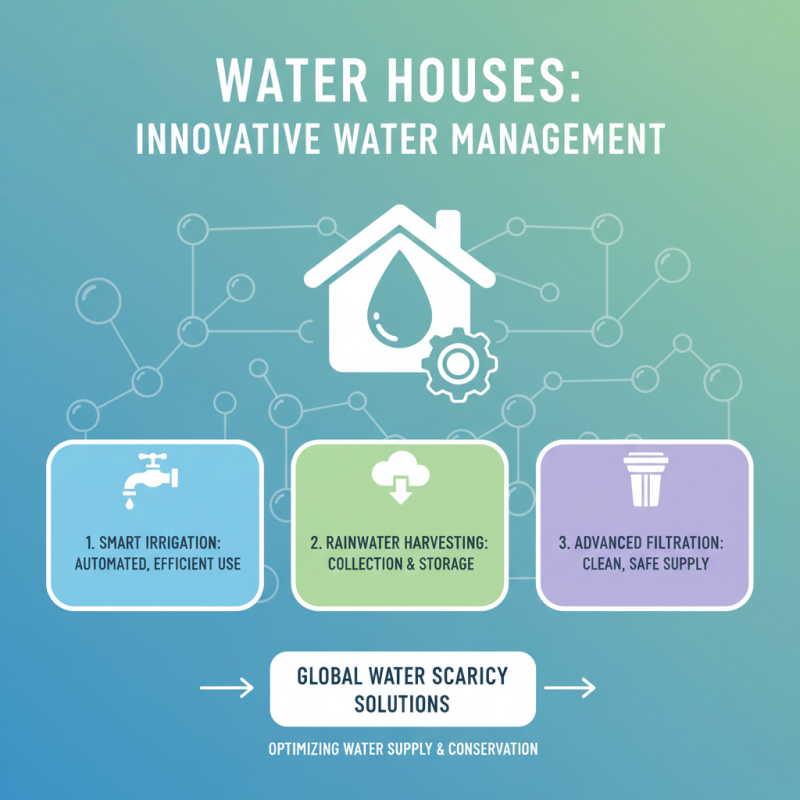
Water houses are innovative structures designed to optimize water supply and management through advanced systems and technologies. These systems are increasingly significant as global water scarcity and management issues become more pressing. By integrating smart technologies, such as automated irrigation, rainwater harvesting, and advanced filtration methods, water houses provide efficient solutions to water distribution and conservation.
One of the critical features of water house systems is their ability to monitor water usage in real-time. This capability allows homeowners and businesses to track consumption patterns, identify leaks, and optimize usage, ultimately contributing to water conservation efforts. Additionally, water houses often incorporate sustainable practices, such as greywater recycling and solar-powered pumps, which further enhance their environmental benefits. Such innovations not only reduce dependency on municipal water sources but also promote resilience against climate variability.
Through these sophisticated systems, water houses stand at the forefront of sustainable water management, addressing both local and global challenges related to water scarcity and promoting responsible usage. As technology continues to evolve, the potential for water houses to revolutionize water supply and management practices becomes increasingly promising, ensuring a sustainable future for water resources.
Comparison with Traditional Homes: Water Houses vs. Conventional Building
Water houses, a revolutionary concept in modern architecture, significantly differ from traditional homes in various aspects. Traditional homes, typically built with concrete, brick, or wood, often prioritize durability and insulation. However, water houses utilize innovative materials that incorporate water as a fundamental element of their structure, providing unique advantages. These structures can ebb and flow with their surroundings, adapting to environmental changes and potentially reducing the risk of damage from flooding or adverse weather.
One of the most notable benefits of water houses is their ability to enhance energy efficiency through natural cooling and heating processes. By utilizing water's thermal properties, these homes can maintain comfortable temperatures with minimal energy consumption. In contrast, conventional buildings often rely heavily on energy-intensive heating and cooling systems. Furthermore, water houses can create serene living environments, with tranquil water features that promote relaxation and mental well-being. This is a stark contrast to traditional homes, which may lack such calming elements, leading to a more stressful atmosphere.
When comparing the ecological impact, water houses can also be more sustainable, as they often utilize renewable energy sources and are designed to minimize water waste. This stands in contrast to traditional construction methods that may result in significant environmental degradation through resource consumption and waste. Overall, the embrace of water houses represents a shift toward a more environmentally conscious and adaptable approach to living spaces, challenging the norms established by conventional building practices.
Global Trends: Adoption Rates and Market Insights of Water Houses
As the global interest in sustainable living grows, water houses are becoming an attractive option for eco-conscious consumers. According to recent industry reports, the adoption rate of water houses has seen a significant increase, with studies indicating a 30% growth in market interest over the past two years. This rise is driven by an increasing awareness of water conservation challenges and the need for innovative housing solutions that minimize environmental impact. In regions facing water scarcity, the potential benefits of water houses, including rainwater harvesting and efficient recycling systems, have made them particularly appealing.
Tips: When considering a water house, look for designs that integrate advanced water filtration systems and storage solutions. These features ensure that not only is water harvested efficiently, but it’s also safe for consumption and use.
Market insights reveal that millennials and Gen Z are leading the charge in the adoption of water houses, with a substantial 45% of young homebuyers expressing a preference for sustainable housing options over traditional ones. Developers are taking note and beginning to incorporate eco-friendly designs and technologies into their projects, reflecting a broader shift towards sustainability in residential planning. This trend not only responds to consumer preferences but also aligns with governmental initiatives aimed at reducing urban water usage and promoting green building standards.
Tips: Engage with local governments and environmental organizations to stay informed about potential incentives or grants for building water-efficient homes. Networking can provide valuable resources as you explore your own water house options.
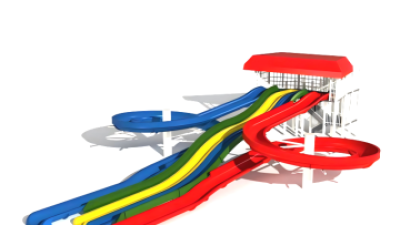
Exciting Adventures Await: Explore the Thrills of Spiral and Rainbow Water Slides at the Ultimate Water Park Experience
At the heart of every memorable summer adventure lies the excitement of Water Slides, and the spiral and rainbow designs are the ultimate attractions for thrill-seekers of all ages. These exhilarating slides are not just about the rush of speed; they encapsulate the spirit of fun and togetherness, making them perfect for family outings. As riders twist and turn down the smooth, spiraling descent, they experience a blend of adrenaline and joy, creating unforgettable moments that families will cherish for years to come.
The vibrant, colorful designs of these water slides enhance the aesthetic of any water park, drawing in visitors eager for an adventure. Built from high-quality materials, they are engineered for safety and durability, ensuring that every slip down the slide is as thrilling as the last. With ample space for multiple riders to partake simultaneously, these attractions foster a lively atmosphere, where laughter and splashes create a backdrop of excitement. Whether enhancing an existing park or establishing a new aquatic wonderland, spiral and rainbow slides promise to elevate the water park experience, inviting guests to dive headfirst into fun and adventure.
FAQS
: Water houses, also known as aquatic homes, are innovative structures designed for sustainable living that harmonize with their surrounding aquatic ecosystems. They provide direct access to nature and advanced environmental control, enhancing cooling effects and potentially reducing energy costs.
Water houses often incorporate rainwater harvesting systems that collect and purify water, significantly decreasing reliance on municipal water supplies. This can lead to a reduction in water consumption by up to 50%, contributing to overall sustainability efforts.
Water houses enhance energy efficiency through natural cooling and heating processes, maintain comfortable temperatures with minimal energy consumption, and create serene living environments. In contrast, traditional homes often rely on energy-intensive systems and may lack calming elements.
Many water houses are equipped with floating foundations, enhancing their stability and resilience against flooding, which is increasingly important in coastal regions affected by climate change.
The adoption rate of water houses has grown significantly due to increasing awareness about water conservation challenges and the demand for innovative housing solutions. In regions facing water scarcity, their benefits, such as rainwater harvesting and efficient recycling, have made them particularly appealing.
The market for water houses is largely driven by millennials and Gen Z, with a significant percentage of young homebuyers preferring sustainable housing options over traditional ones. This trend reflects a broader shift towards sustainability in residential planning.
When considering a water house, it is essential to look for designs that integrate advanced water filtration systems and storage solutions to ensure efficient harvesting and safe consumption of water.
Individuals can engage with local governments and environmental organizations to stay informed about potential incentives or grants for building water-efficient homes, providing valuable resources as they explore water house options.
Conclusion
A Water House is an innovative building concept that prioritizes sustainable living by incorporating advanced water management systems. These structures are designed with unique features that enhance both functionality and environmental performance, making them stand out from traditional homes. Key characteristics include energy-efficient designs and innovative water supply systems that optimize usage and reduce waste.
The benefits of Water Houses extend beyond their ecological impact; they also offer economic advantages through lower utility costs and increased resilience against climate change. As global trends indicate a rising adoption rate of Water Houses, it's clear that their integration into modern housing markets is gaining momentum. This shift reflects a growing awareness of sustainability and the necessity for eco-friendly living solutions in the face of environmental challenges.