Leave Your Message
0%

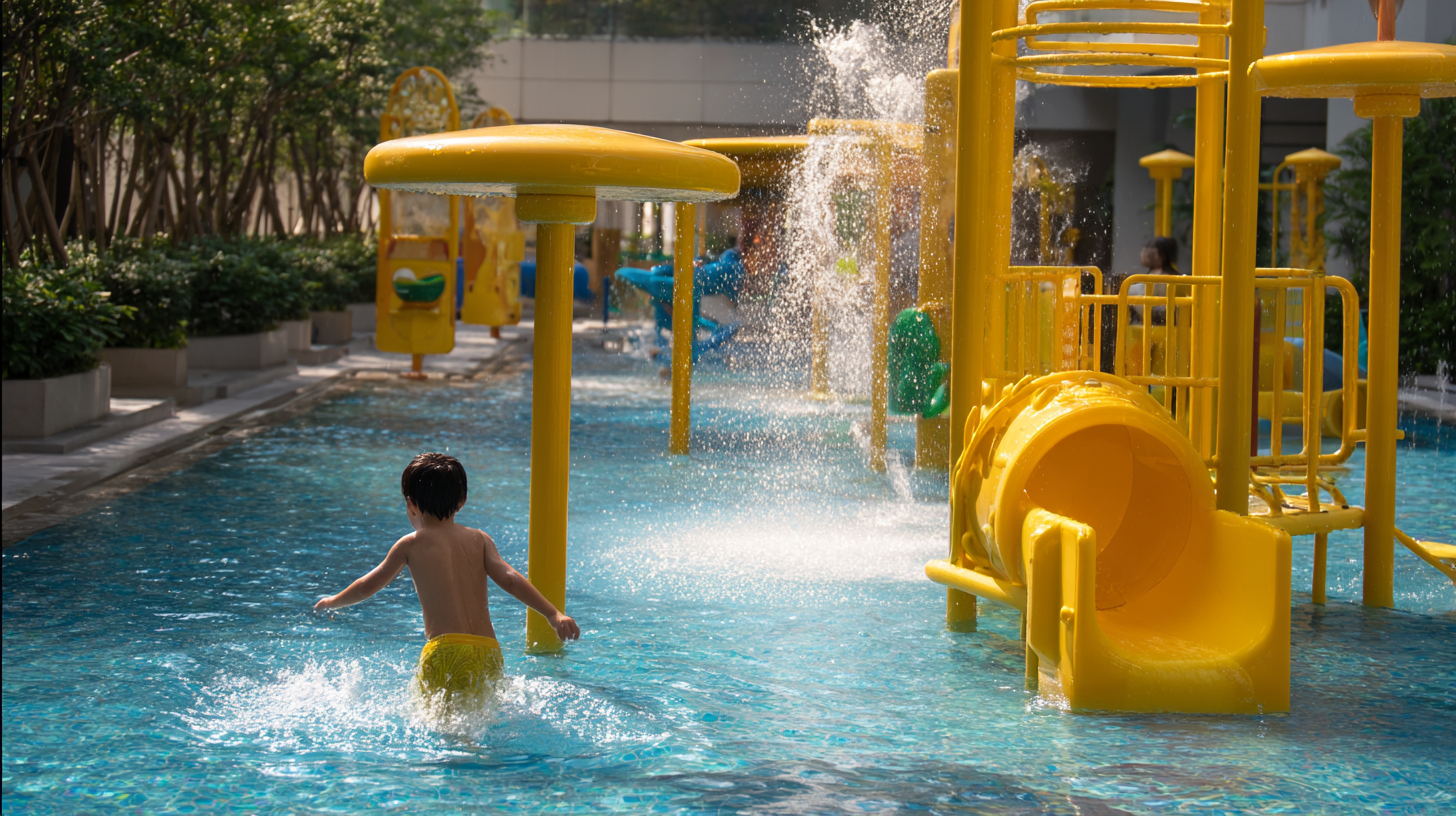
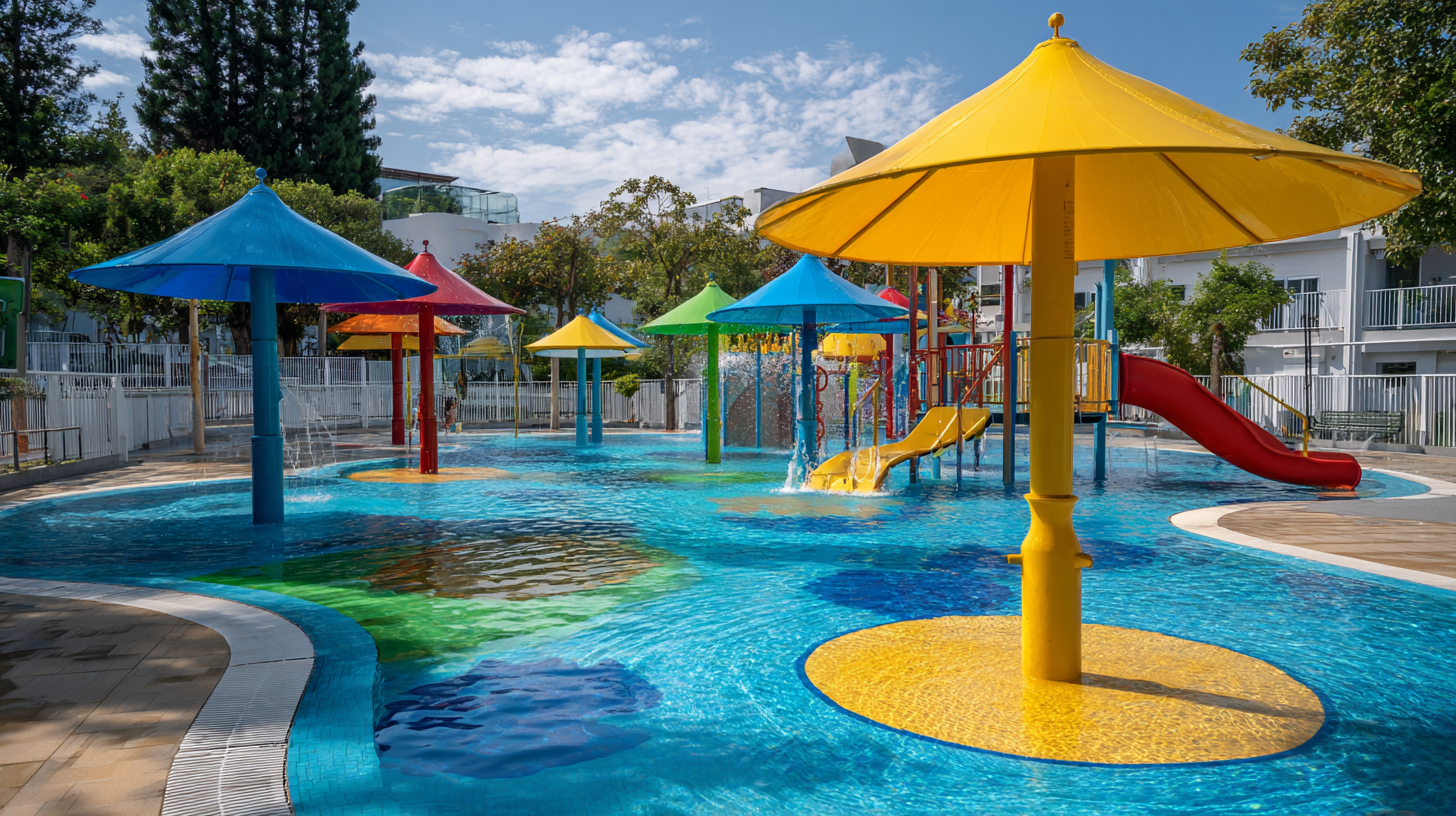
You know, Aquatic Play equipment has really become a must-have in kids’ playgrounds these days. It’s not just about having fun; it’s also great for kids’ development in so many ways. At Leisure Playground Toys (Shanghai) Co., Ltd., we totally get how important it is to get children moving and playing actively—doing so helps them grow physically, socially, and even mentally. We started back in 2008, so we’ve got nearly 20 years of hands-on experience creating awesome playground stuff. Our specialty is designing and making custom Splash Pads, water play structures, and all kinds of unique play equipment that kids love. In this blog, I wanna shareseven really cool benefits of aquatic play equipment. These water-based play areas don’t just make outdoor fun more exciting—they actually help boost kids’ overall development, spark their creativity, and encourage them to interact with others. So, come along with us as we explore how these playful water environments can make outdoor play not just fun, but also a super enriching experience for little ones!
7 Unique Benefits of Aquatic Play Equipment for Children’s Development

Benefits of Enhancing Motor Skills through Aquatic Play Equipment

You know, aquatic play equipment is such a fantastic setup for kids to have fun and, at the same time, boost their motor skills. I mean, when kids splash around, swim, or paddle, it’s not just about the fun—it's actually helping them get stronger and more coordinated. According to the American Academy of Pediatrics, playing in water can really make a difference in kids’ balance, coordination, and overall fitness. Water resistance makes every movement a bit more challenging, which is great for building muscle and developing those big motor skills we all want kids to have. So yeah, activities like splashing around or swimming aren’t just games—they’re like mini workouts that help kids grow stronger and more agile.

But it’s not only about the physical stuff. Water play is also a fantastic way for kids to connect and interact with each other. Research from the National Association for Sport and Physical Education shows that playing together in water helps kids learn teamwork and develop social skills. When they share equipment or join in group games, they’re learning important things like sharing, taking turns, and working together to solve problems. All in all, aquatic play creates a fun but structured environment that’s great for more than just motor skills—it's a super important part of a child’s growth and social development too. Honestly, kids benefit so much from having access to this kind of equipment—it’s like a two-for-one deal on development and fun!

Fostering Social Interaction and Teamwork in Water Play Settings

Water play areas with cool aquatic equipment give kids some pretty awesome chances to connect and work together. When kids splash around, float, and figure things out in the water, they're not just having fun—they’re also building friendships and learning how to cooperate. It’s like magic watching them bond over shared challenges, all while developing important social skills like communication, teamwork, and understanding others.

In these lively play spots, kids often find themselves tackling projects that need teamwork—like building stuff with floating toys or setting up group games. These moments are golden opportunities for them to practice taking turns, sharing, and solving problems as a team. It’s not just about having fun; it actually helps them appreciate different points of view and promotes inclusivity—that's a huge part of social growth. So, by diving into the fun of water play, children aren’t just entertained—they’re also gaining emotional strength and social confidence, all while having a good time.

The Role of Aquatic Play in Cognitive Development and Learning

You know, aquatic play really is such an important part of early childhood development. It’s not just about having fun—though that’s definitely a big plus! When kids mess around with water toys or splash around, they’re actually engaging their senses in all sorts of ways. They start to get a feel for things like buoyancy, movement, and how space works—stuff that kinda sneaks into their heads without them even realizing it. As they splash, pour, and experiment, they’re also sharpening their thinking skills and learning to solve problems, which is pretty awesome. Plus, getting hands-on like that helps spark their curiosity and lays the foundation for understanding how natural forces work—basically, the beginning of scientific thinking.

7 Unique Benefits of Aquatic Play Equipment for Children’s Development

And let’s not forget how much imagination gets a boost in water environments. Kids love creating stories, acting out scenarios, and just letting their creativity run wild. Talking about their adventures helps them improve their vocabulary and develop better communication skills, especially when they’re negotiating roles or working together. Not to mention, playing with others in these watery worlds teaches them about emotions, empathy, and building friendships. All of these things—cognitive, social, emotional—they come together to support healthy growth and set kids up for more complex learning down the line. It’s pretty clear that aquatic play isn’t just fun; it’s a whole package that helps kids grow in so many important ways.

Emotional Benefits: Building Confidence and Reducing Anxiety in Children

You know, aquatic play equipment really has so many benefits when it comes to kids’ emotional growth. It’s especially great for building confidence and helping to reduce anxiety. According to research from the National Association for Sport and Physical Education (NASPE), kids who regularly get into water activities tend to develop better social skills and bounce back more easily from setbacks. The cool thing about water is how it allows kids to explore safely—breathing, moving, taking a few risks without the fear of getting hurt. Things like learning to float or swim can seriously boost their self-esteem; mastering these skills makes them feel proud and more secure, even if they were a bit anxious before.

A good way to get your child started with water play is by keeping it simple and fun. Stuff like floating toys or water games can make them feel comfortable in the water while they build confidence gradually. And if you’re thinking about swimming lessons, they’re a great way for kids to learn important skills in a safe, structured environment. Plus, nothing beats that feeling of achievement when they finally master floating or swimming!

On top of all that, water has this calming effect that can really help soothe kids’ nerves. The gentle, peaceful nature of water helps lower stress levels. In fact, a study by the American Psychological Association found that kids who play in water often have lower cortisol levels—that’s the hormone linked to stress. This shows just how therapeutic water play can be! It also makes it easier for shy or anxious children to express their feelings because they feel more relaxed and at ease.

A fun tip: encourage your kid to explore their emotions while they’re in the water by pretending to be underwater explorers or marine animals. It’s not just a creative way to pass the time—it also helps them open up and deal with their feelings, all in a setting that’s familiar and fun.

7 Unique Benefits of Aquatic Play Equipment for Children’s Development

Encouraging Creative Play and Imagination with Water-based Sports

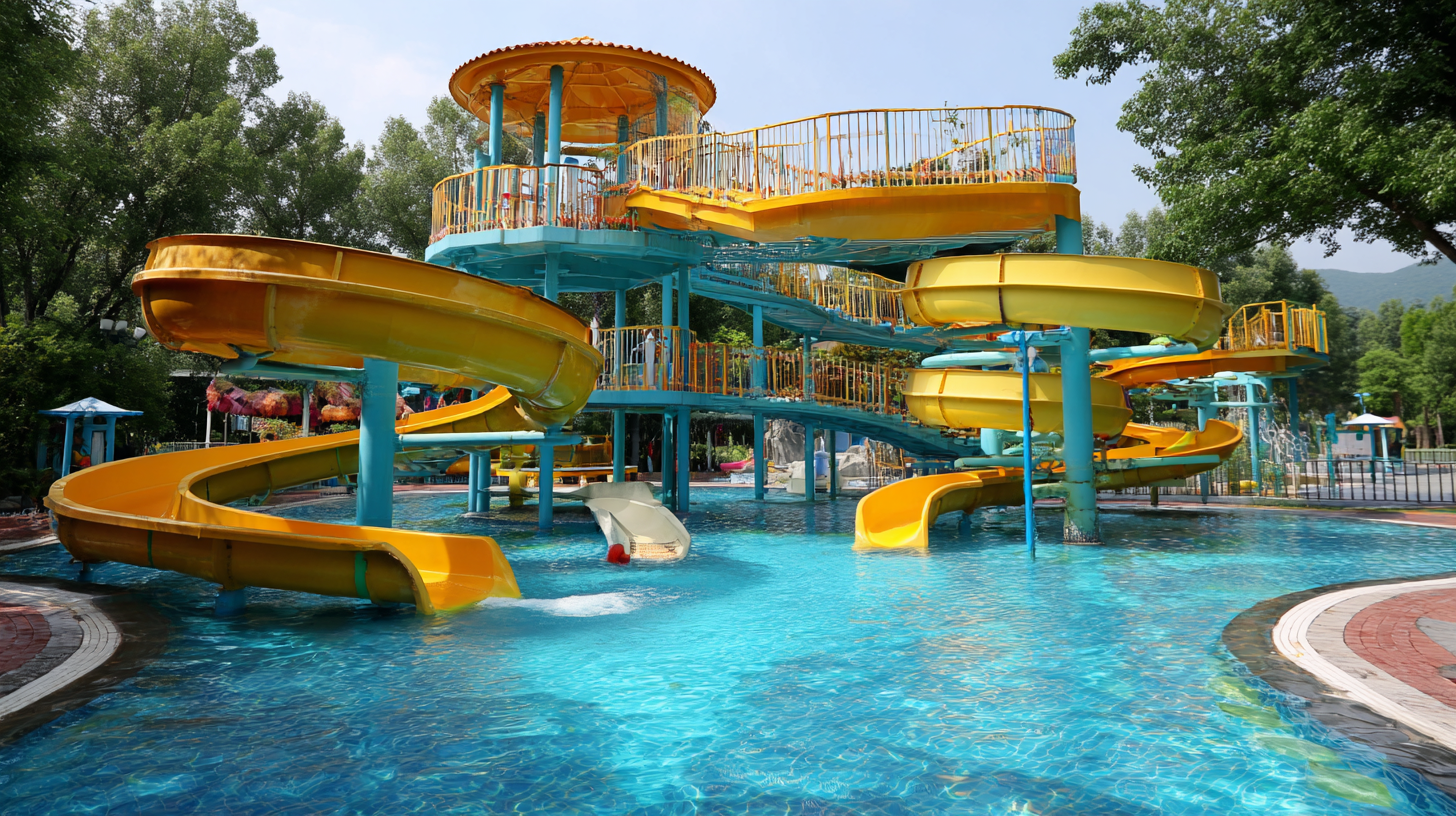
You know, aquatic play equipment really offers kids this awesome space to get creative and let their imaginations run wild. There's just something about water—it’s so fluid and ever-changing—that makes exploring super fun and different from anything on dry land. Whether they're splashing around in a pool, zooming down water slides, or trying to keep floating toys moving, kids have endless chances to dream up all kinds of imaginative scenarios. And honestly, getting hands-on with water like this really helps boost their brain development. They learn to think critically and come up with creative solutions just by playing and experimenting.

Plus, water sports are great for helping kids work together and chat more with their friends. Think about building a makeshift raft, playing water tag, or racing inflatable boats—those kinds of games push kids to negotiate, problem-solve, and cooperate, all while having a blast. The whole vibe of water play isn’t just fun, though. It also helps kids build social bonds and develop emotional strength, especially when they celebrate wins or deal with little setbacks—all in a supportive, playful environment. Incorporating water play into kids' active routines is such a fantastic way to spark their creativity and support their overall growth. Honestly, it’s like hitting two birds with one stone—fun and development rolled into one!

7 Unique Benefits of Aquatic Play Equipment for Children’s Development

This bar chart illustrates the unique benefits of aquatic play equipment for children's development, highlighting how it supports physical development, social skills, cognitive growth, creativity, emotional growth, motor skills, and environmental awareness. Each benefit is rated on a scale from 0 to 100, showcasing the significant advantages of engaging in water-based play activities.

Safety Considerations and Best Practices for Aquatic Play Equipment Use

When you're adding water play equipment to kids' play areas, safety should really be at the top of your list. One of the most important things is keeping a close eye on the kids at all times. They can go from having a blast splashing around to slipping or falling pretty easily—sometimes in just seconds. Having a dedicated adult there doesn't just mean you can jump in quickly if someone trips; it also helps kids follow safety rules, making the whole space safer and more fun for everyone.

Plus, choosing the right equipment makes a big difference. Parents and caregivers should look for stuff that's suited to the kids’ ages—think non-slip floors, smooth edges, and safe materials that don’t have sharp bits or nasty chemicals. It’s also super important to regularly check the equipment for any signs of wear and tear—that way, you catch trouble before it happens. And don’t forget, teaching kids a little about safe play practices, like not running around in wet areas or being considerate of others, helps them understand safety and respect. All these little things combined really help keep the fun going and the kids safe while they enjoy the water play zone.

Enhancing Aquatic Adventures: Insights from Industry Reports on the Middum Mushroom Umbrella Water Park Play Structure

In the realm of aquatic adventures, the Middum Mushroom Umbrella Water Park Play Structure stands out as an exciting addition to any water park. Designed with fun and safety in mind, this attraction invites children and families to engage in playful water activities under the protection of its unique umbrella-like structure. Insights from recent industry reports highlight the significance of such features in enhancing the overall visitor experience, emphasizing that imaginative designs can significantly boost customer satisfaction and increase foot traffic.

Among the essential elements that complement this water park feature is the TM-2173 Water Fountain. This stainless steel fountain, measuring Ø90*180CM, not only adds an aesthetic touch but also enhances the play experience by providing refreshing water flow at an impressive rate of 10M3/H. The fountain serves as an engaging focal point, encouraging children to explore and enjoy water play in a safe environment. As water parks continue to innovate, incorporating striking features like the Middum Mushroom and efficient amenities such as the TM-2173 Water Fountain will undoubtedly contribute to memorable family outings and foster a love for aquatic adventures.

FAQS

: How does aquatic play equipment help in building confidence in children?

: Aquatic play equipment allows for safer exploration in the water, enabling children to take risks and overcome challenges, which can bolster their self-confidence. Mastering skills such as floating or swimming provides a sense of achievement.

What activities can introduce children to aquatic play effectively?

Starting with simple and fun activities, such as playing with floating toys or engaging in water games, helps children feel comfortable in the water while gradually building their confidence.

How does water-based play affect children's emotional well-being?

Water environments can have calming effects on the nervous system, leading to lower stress levels in children. Research shows that kids exposed to aquatic play often exhibit reduced cortisol levels, indicating therapeutic benefits.

What role does imaginative play in water have for children?

Engaging in imaginative play in the water allows children to express their emotions creatively, enhancing their imagination while providing an enjoyable way to alleviate stress.

How do water-based sports promote social skills in children?

Water-based sports encourage teamwork and communication as children often participate in collaborative games, allowing them to practice negotiation and problem-solving skills in a fun environment.

What cognitive benefits can children gain through aquatic play?

The hands-on experience provided by aquatic play stimulates children's cognitive development as they learn to think critically and creatively while interacting with water.

Can swimming lessons contribute to a child's confidence?

Yes, structured swimming lessons provide children with essential skills and a sense of accomplishment and security, further boosting their confidence in the water.

How can parents support their children's emotional exploration in aquatic settings?

Parents can encourage children to explore their emotions through imaginative scenarios while playing in the water, such as pretending to be underwater explorers, which can help them express feelings more freely.

What are some benefits of engaging in collaborative games in water?

Collaborative games in water foster social connections, enhance emotional resilience, and teach children how to handle victories and setbacks in a supportive atmosphere.

What is the significance of integrating water play into children's active lifestyles?

Integrating water play enhances children's creativity, social skills, and emotional development, making it a vital aspect of their overall growth and well-being.

Conclusion

Aquatic play equipment isn't just fun — it actually packs a punch when it comes to helping kids grow and develop. For starters, it’s great for boosting motor skills because the physical activities involved really get kids moving, helping them get better at coordination and balance — and they’re having a blast while doing it. Plus, water-based play brings kids together, encouraging them to teamwork and chat, which helps build those all-important social skills. It’s also pretty amazing for their brains; these setups spark creativity and problem-solving, especially with all the imaginative water sports they can dive into.

And let’s not forget the emotional side of things. Playing in water environments helps kids feel more confident and can even ease anxiety as they explore and take risks. Of course, safety is super important with all this fun. That's why at Leisure Playground Toys (Shanghai) Co., Ltd., we focus on designing and manufacturing innovative, safe, and customizable aquatic play structures that are not only entertaining but also support kids' overall growth and development. When you add these engaging features into playtime, aquatic play equipment really becomes a valuable tool for raising happy, healthy, and well-rounded children.
Madeline

Madeline

Madeline is a dedicated marketing professional at Liexuoe Amusement Equipment (Shanghai) Co., Ltd., where she leverages her extensive knowledge of the company’s innovative products to drive effective marketing strategies. Her expertise is evident as she regularly updates the company's professional......
Previous Innovations in Outdoor Playgrounds for Children 2025 Trends and Insights Guide