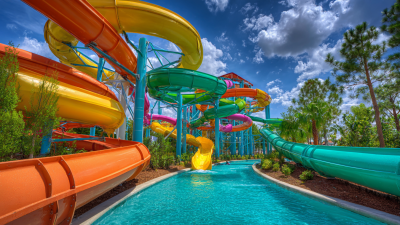
When you're selecting the top family Water Slides for 2026, it’s not just about height and speed. You really want attractions that strike a good balance between excitement and clear guidelines for different ages and heights. For example, a big splash pool might be perfect for younger kids, while a raft slide can be fun for both parents and older children to enjoy together. Little details make a big difference—think shaded queues, easy access to the loading docks, and manageable wait times—that’s what can really set the whole day apart.
Looking at overall attendance figures is useful, but honestly, it doesn’t tell us exactly which slides families end up loving the most. The 2023 TEA/AECOM Theme Index and Museum Index showed a 4.4% increase in visitors to the world’s top 20 Water Parks compared to 2022. That’s great news about how much interest there’s growing in water parks, but it doesn’t mean any particular design is a clear winner. Industry insights from IAAPA can help operators understand what guests want and what attracts them, but rankings sometimes miss the human element. At the end of the day, no list is perfect—what really counts is finding something the family feels comfortable and excited about.
This guide breaks down different family water slides by their style, the age groups they’re best suited for, how well they work for sharing rides, and overall comfort. We also look at how a water slide fits into a mixed-age group experience—because it’s not just about the biggest thrills. Remember, manufacturer specs and park rules can change, so it’s always worth double-checking current height limits and operating details before heading out. A little bit of planning can go a long way. Ultimately, the best choice might just be the slide everyone actually feels ready to enjoy together—that’s what makes the memory special.
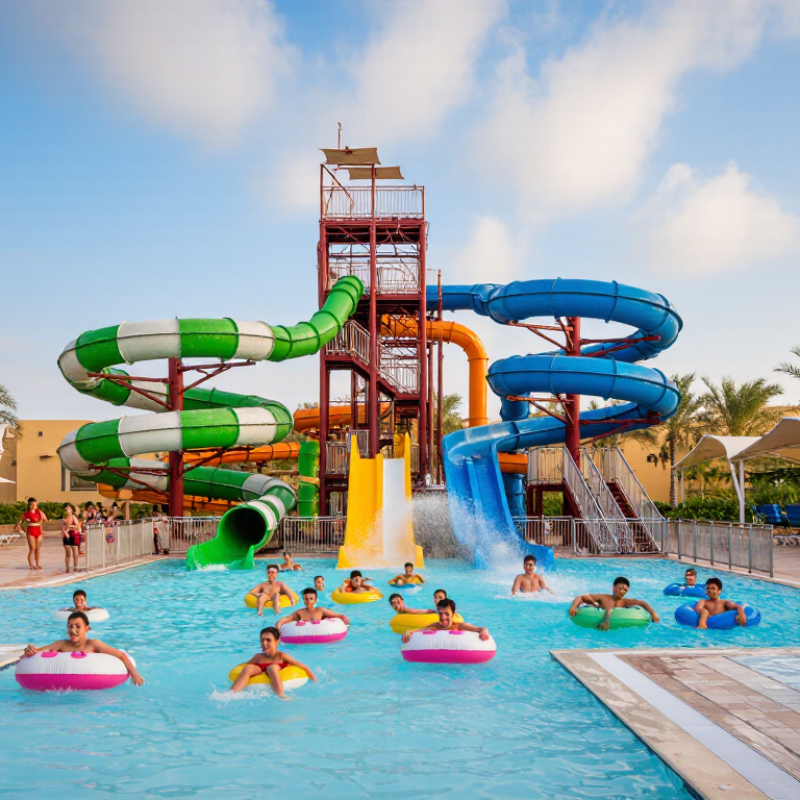
In 2026, a family water slide is defined less by height than by how comfortably different ages can use it. A broad, gently sloped run lets younger riders build confidence without making older children feel bored. Clear age and height guidance helps families choose safely before anyone climbs the stairs. That matters. Handrails should feel secure, steps should offer reliable grip, and the landing area should provide enough room to exit without bumping into the next rider. A slide can look gentle from the deck but feel surprisingly fast once wet, so practical details count.
A thoughtfully designed Family Pool And Slide area also makes supervision easier. Open sightlines help adults keep children in view, while a shallow waiting zone can reduce crowding near the entrance. Shade beside the pool and places to sit make breaks more comfortable, especially during long visits. Not always. More features do not automatically mean a better family experience; a busy splash area can overwhelm cautious swimmers. The best choices balance playful water effects with calmer routes and clear circulation. Check posted guidance, inspect surfaces for wear, and notice how riders leave the pool. Small design flaws are easy to overlook, and they deserve a second look.
Family water slides differ most in how they handle age, confidence, and shared rides. Open flumes feel bright and easy to supervise, while enclosed tubes add darkness, speed, and surprise. That thrill can overwhelm a cautious child. Wide raft slides let adults and children ride together, but require riders to manage turns as a group. Small, shallow-entry slides suit younger children better when the landing area is separate from fast-moving traffic. The details matter: a slippery staircase or crowded exit can change the experience.
For families, compare more than height and speed. Check each ride’s posted height limits, rider combinations, and entry and exit layout. ASTM International’s water-slide standard, F2376, addresses design and operation, but does not tell parents which ride will suit their child’s temperament. That judgment still takes care. The U.S. Consumer Product Safety Commission’s 2024 Pool or Spa Submersion report estimated an annual average of 6,300 emergency-treated, nonfatal drownings involving children under 15 during 2021–2023. Those figures cover pools and spas, not water slides specifically, so they should not be read as slide-risk estimates. Still, they underline why supervision and clear exits matter. A family raft may keep everyone together, yet a nervous rider may prefer a slower open slide. “Family-friendly” is not one ride type.
For family slides in 2026, safety starts before the ride. Look for clear height and riding-position instructions, secure handrails, non-slip stairs, and a visible landing zone free of other swimmers. ASTM International’s F2376 standard covers the design, construction, operation, and maintenance of water slide systems. Ask whether a park follows current applicable guidance and inspects attractions regularly. Small details matter.
The U.S. Consumer Product Safety Commission’s Pool or Spa Submersion report estimates an annual average of 6,300 nonfatal pool- and spa-related drowning injuries among children under 15, based on emergency-room data from 2021–2023. That figure covers pools and spas, not slides alone, but it reinforces the need for active supervision and trained lifeguards. For comfort, favor manageable queues, shaded waiting areas, clean changing facilities, and slides with gentle entry and adequate runout space. A Turkey Family Hotel Water Park can sound appealing, but check the actual slide rules, supervision, and facilities before booking. No checklist makes a crowded pool perfectly safe. That is worth remembering.
Top family water slides to consider in 2026 should suit different ages, not just thrill-seeking adults. A gentle, open flume gives younger children a clear view and an easier ride. For older kids, a twisting tube slide adds speed and surprise. Check height limits before arrival; a child who looks ready may still be too short to ride.
Raft slides can turn a descent into a shared family activity. Wide turns and steady drops often feel more manageable than steep, fast chutes. Mat racers are another option for siblings who enjoy friendly competition, though waiting in line can test everyone’s patience. Small details matter. Look for lifeguard visibility, non-slip steps, shaded queue areas, and clear rules about riding together.
A toddler splash zone with low slides and shallow water can make a long pool day easier for caregivers. At a Family Hotel With Water Slides, compare the slide range with your children’s actual ages and comfort levels, rather than relying on photos alone. Ask whether attractions operate in poor weather and whether younger guests need adult supervision. Even a well-designed slide can feel intimidating on a first ride. Let children watch a few turns before deciding.
For 2026, compare family water slides by footprint, not height alone. Compact backyard models often run about 8–12 feet long; larger multi-lane slides may need 15–20 feet or more. These are rough shopping ranges, not a universal industry classification. Check the assembled dimensions, landing area, and hose connection before choosing. A slide that fits the lawn may still crowd a patio or leave too little room at the runout.
Setup can change the better choice. A single-lane design usually needs less assembly and fewer anchor points, while taller or wider models may require extra inflation time, firmer ground, and more clearance. ASTM International’s F2374-22 standard covers water-slide design, construction, operation, and maintenance; it is a useful safety reference, though it does not rank backyard products. Grand View Research’s 2024 water-park market analysis forecasts 4.4% annual growth through 2030, reflecting continued interest in aquatic attractions, but that figure does not establish which home slide is easiest to set up. Measure the full wet-use area, not just the dry footprint. Small detail. Setup guides may also understate how awkward a damp slide is to fold and store.
Choosing a family water slide starts with the yard, not the tallest feature in a product photo. Measure the usable lawn and check for trees, fences, paving, and overhead branches. Leave room around the slide for children to climb, land, and exit without crossing another play area. Photos of Family Resorts Water Parks can spark ideas, but a home yard has different space and supervision needs.
Match the slide to your children’s ages, heights, and confidence in water. Read the maker’s stated age, weight, water-depth, and setup requirements before buying. A long runout may look exciting, yet it needs enough clear, level space. Check that the lawn is even and that the slide can be anchored as instructed. Small dips can matter. Also consider the water supply, drainage, and whether wet grass will become slippery beyond the landing area.
Think about how adults will supervise from a clear, nearby spot. Choose a design that children can climb and exit without crowding, and set simple turn-taking rules before play begins. On hot days, inspect the surface for heat and follow the product’s care guidance. I’d resist buying based on one sunny afternoon; storage space, setup time, and changing ages can make a difference by next summer.
Compare example yard footprints to help narrow down a slide size that suits your space.
These are illustrative layout examples: footprint is calculated as length × width. They are not product specifications and do not include extra space for setup, access, or a safe landing area. Check the slide instructions and measure your yard before choosing.
A broad, gently sloped run can suit different ages and confidence levels. Height is not everything. Clear age and height guidance matters.
Check secure handrails, grippy steps, and a roomy landing area. Read the age and height guidance. Wet slides can feel faster than they look.
Measure the usable lawn, then account for trees, fences, paving, and overhead branches. Leave clear space for climbing, landing, and exiting. Small dips matter.
Look for open sightlines and a shallow waiting zone. Set simple turn-taking rules before play starts. It helps, but won’t fix every bottleneck.
Match it to each child’s age, height, and confidence in water. Check the stated weight, water-depth, and setup requirements. Guessing is not enough.
Choose level, clear space with enough room to exit without crossing another play area. Check drainage and nearby grass, which may become slippery.
Pick a clear, nearby spot with an open view of the slide and pool. Seating and shade can make long visits more comfortable. Keep watching.
Not always. Busy splash features may overwhelm cautious swimmers, while calmer routes can help. I may miss a small flaw at first, so I’d check again.
Choosing the right Family Water Slide in 2026 means balancing fun, safety, and the space available at home. Family-friendly designs may include gentle slopes for younger children, wider lanes for shared play, or taller and faster runs suited to older kids and adults. The best choice depends on who will use it and how confidently they swim, as well as the slide’s materials, stability, water flow, and recommended age and weight limits.
Before buying, compare each option’s dimensions, setup requirements, and storage needs with your yard and available water supply. Look for secure anchoring, slip-resistant entry areas, clear instructions, and comfortable landing zones. A well-matched slide should fit the family’s ages and abilities without crowding the yard or making setup difficult. By weighing slide style, safety features, size, and ease of use, families can find an option that offers refreshing outdoor play throughout the season.