Picking the right supplier for a commercial Water Park isn’t just about comparing slide designs anymore. By 2026, operators need to dig a bit deeper—looking into engineering quality, water safety standards, support during installation, maintenance plans, and even the long-term costs. This guide is here to walk you through the topWater Park Equipment Commercial suppliers, using practical, real-world criteria.
You'll find companies like WhiteWater, ProSlide Technology, Polin Waterparks, Waterplay, and Splashtacular—they all serve different kinds of projects. Their offerings might include anything from high-speed body slides and family raft rides to interactive Water Play systems, wave pools, filtration setups, or stainless-steel structures. A good supplier should give you clear technical drawings, load calculations, installation guidance, staff training, and quick, reliable after-sales support.
Paying attention to the details really matters.
When you're evaluating suppliers, it’s also key to consider stuff like the quality of materials, pump efficiency, how easy it is to get spare parts, thorough inspection procedures, and delivery timelines. Sometimes, an eye-catching slide might look amazing but can turn into a headache if it’s hard to clean or replace parts are tricky to find. Honestly, I don’t think brand recognition alone should drive your rankings. Factors like project size, climate, target visitors, available space, and local expertise can totally sway your final choice.
And be aware—some suppliers might look perfect during the sales process but could fall short when it comes to ongoing support. It’s worth keeping that in mind. Before signing on the dotted line, make sure to check their current certifications, project references, warranty details, safety documentation, and see what actual customers are saying. This overview for 2026 aims to help you make smarter decisions, with balanced info, realistic expectations, and the nitty-gritty details that give investors, developers, and park operators more confidence when choosing their equipment.
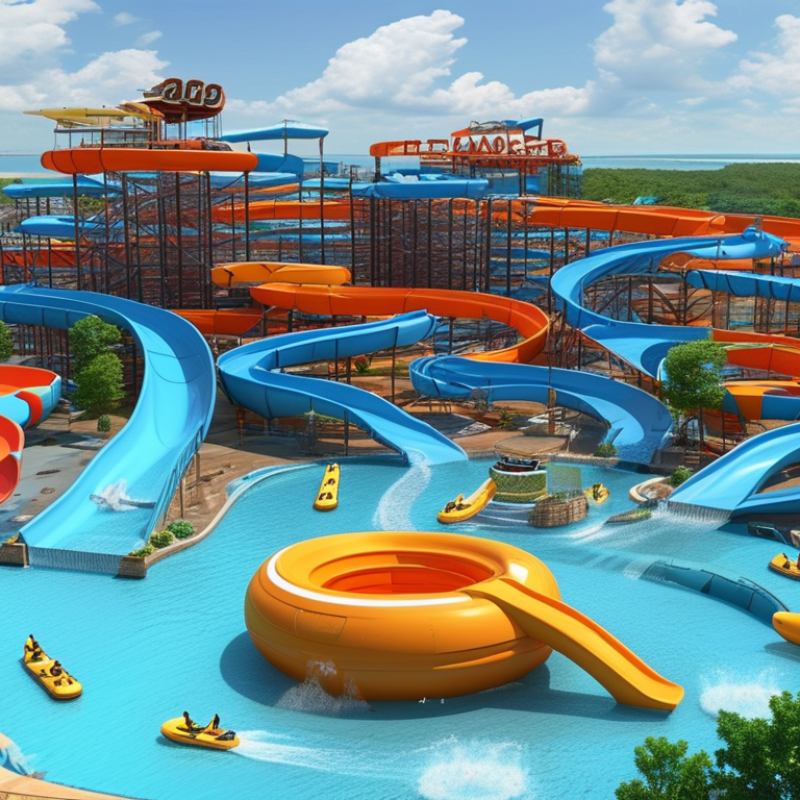
A commercial supplier in 2026 does more than ship slides, pumps, and play structures. It understands how equipment behaves under daily public use. Experienced suppliers study guest flow, queue pressure, water turnover, deck space, and maintenance access before proposing a layout. They ask for site drawings and operating data. Guesswork is expensive.
A reliable Commercial Water Park Equipment supplier provides tested materials, clear load information, installation guidance, and traceable quality records. Stainless steel hardware should resist constant moisture. Fiberglass surfaces need consistent finishing and safe, durable edges. Pumps, filters, sensors, and control panels must work as one system. Staff training matters too. A short session beside the pump room can prevent avoidable shutdowns.
Authority comes from evidence, not confident sales language. Suppliers should share project references, inspection procedures, realistic lead times, and documented service processes. They should explain cleaning access, replacement parts, warranty limits, and emergency support in plain English. Difficult questions matter. Ask about noise, corrosion, slip resistance, and seasonal storage. No supplier gets every detail right. Some proposals look impressive but overlook a narrow maintenance corridor or local water conditions. That is a useful warning. Buyers should request revisions, compare operating costs, and involve engineers and park operators early. The strongest supplier remains accountable after installation.
2026 Top Commercial Water Park Equipment Suppliers?
Modern commercial water parks are judged by more than spectacular slides. The 2023 TEA/AECOM Theme Index recorded over 240 million visits across leading theme parks worldwide. That scale makes capacity, queue control, and dependable water treatment central equipment decisions. Key categories include body and raft slides, surf systems, lazy rivers, wave pools, filtration, pumps, and access-control systems. Each category affects guest flow, staffing, maintenance, and emergency response.
IAAPA’s 2024 Global Economic Impact Study estimated that the global attractions industry generated about $254 billion in 2023. This growth increases demand for equipment that performs reliably during long operating days. Experienced operators should examine ride throughput, pump efficiency, corrosion resistance, spare-part access, and cleaning requirements. A slide may look impressive, but poor drainage can create slippery platforms and longer shutdowns. Small details matter.
Safety documentation should include testing records, operating limits, inspection schedules, and staff-training materials. Water-treatment systems need measurable controls for filtration, circulation, disinfection, and chemical monitoring. The 2024 World Waterpark Association industry reporting also highlights the importance of guest satisfaction and repeat visitation, not only attendance volume. I would not treat projected capacity as guaranteed revenue. Weather, maintenance delays, and hesitant guests can change the numbers quickly. The best supplier evaluation combines engineering evidence, lifecycle costs, local service capability, and practical on-site experience. Fancy equipment is not always better.
This chart presents typical replacement-planning lifespans for major commercial water park equipment categories. Actual service life depends on operating hours, water chemistry, maintenance quality, climate, and applicable safety regulations.
The figures represent common industry planning ranges: water slides typically last about 15–25 years, pumps 10–15 years, filtration vessels 15–20 years, UV systems 8–12 years, control systems 8–12 years, and wave-generation equipment 15–20 years.
Choosing Commercial Park Equipment requires more than comparing prices or colorful catalogs. Supplier quality begins with traceable materials, accurate load calculations, and consistent factory inspections. Ask for weld inspection records, coating specifications, pump performance data, and documented quality-control procedures. A reliable supplier should explain how each component performs under heat, chlorine, heavy use, and repeated cleaning.
Safety must be visible in the design. Check slip-resistant surfaces, rounded edges, guardrails, emergency access, water-depth markings, and safe drainage around slides and pools. Request installation drawings and maintenance schedules before signing. Compliance documents should identify the tested product, testing date, applicable standards, and responsible laboratory. Verify certificates independently. A certificate without clear scope means little. Local building, electrical, water-quality, and accessibility requirements may also differ, so involve qualified inspectors early.
Tips: Visit a completed project if possible. Watch how staff inspect joints and replace worn parts. Ask who responds when a seal fails during peak season. Do not accept vague answers. One practical weakness is easy to miss: spare parts may be technically available but slow to ship. Review warranty exclusions, training support, response times, and inspection responsibilities in writing. A polished brochure is not proof of dependable equipment. Supplier selection should leave an audit trail, even when the project schedule feels rushed.
Leading global suppliers now specialize in different parts of a water park project. Some focus on high-capacity slides, while others produce splash pads, wave systems, lazy rivers, or stainless-steel play structures. Strong suppliers provide engineering drawings, flow-rate data, safety testing, and installation guidance. Their experience should match your site, climate, visitor volume, and maintenance capacity.
Commercial Water Play Equipment must survive constant water exposure, heavy use, and outdoor temperature changes. Look for corrosion-resistant materials, accessible drainage, anti-slip surfaces, and replaceable components. Reliable suppliers also support filtration integration, pump selection, staff training, and spare-part planning. A detailed warranty matters, but response time matters more when a pump stops during peak season. Regional service teams can reduce delays and unexpected transport costs.
Tips: Request a full lifecycle estimate, not only the purchase price. Ask for references from parks with similar attendance. Inspect sample welds, nozzle quality, and control panels before approval. Do not ignore local water standards. A colorful design can still create difficult cleaning points. I have seen projects prioritize appearance and regret it later. Suppliers may also recommend oversized systems, although smaller facilities often need simpler equipment and lower operating costs. Compare performance data carefully, and leave room for professional review before signing.
2026 Top Commercial Water Park Equipment Suppliers
Supplier selection should match park size, theme, and visitor capacity. A small resort park may need compact slides, splash pads, and shallow play areas. These systems reduce walking distances and simplify staffing. Measure available space carefully. A beautiful concept can fail when service paths are too narrow.
Large destination parks require stronger visitor-flow planning. High-capacity slide towers, wave pools, lazy rivers, and queue shelters must work together. Suppliers should provide hydraulic calculations, structural drawings, installation guidance, and maintenance schedules. Ask for performance data under peak loads, not average attendance. Peak hours expose weak planning.
Theme also affects equipment selection. A coastal park may use bright colors, surf features, and open sightlines. An adventure theme may need rockwork, tunnels, and darker interiors. Every feature should support safe supervision. I have seen impressive designs create hidden corners and difficult cleaning zones. That mistake is expensive. Request material samples, drainage details, spare-parts availability, and staff training. Visit operating projects when possible. Photos are not enough.
For capacity planning, compare hourly throughput, queue length, water consumption, and emergency access. A supplier that only discusses appearance may not understand operations. Review references from parks with similar size and attendance. Independent engineering review is wise, especially for custom structures. Even experienced teams miss details. Recheck them.
| Park Size | Typical Daily Visitor Capacity | Recommended Park Theme | Core Equipment Package | Recommended Equipment Mix | Indicative Equipment Budget (USD) | Recommended Supplier Capabilities | Typical Project Lead Time | Key Selection Criteria |
|---|---|---|---|---|---|---|---|---|
| Small Up to 5,000 m² | 300–800 visitors per day | Community leisure, family recreation, hotel or resort water play | Interactive water-play structure, splash pad, small children’s pool, compact filtration system, deck showers, safety signage and basic access-control equipment | 1 interactive play structure; 6–12 water-play features; 1 shallow activity pool; 1 compact pump and filtration room | Approximately $250,000–$900,000 | Modular design, low water consumption, easy maintenance access, corrosion-resistant materials, installation support and replacement-part availability | Approximately 4–8 months | Safety of play elements, water-treatment efficiency, footprint, operating cost, local code compliance and staff training |
| Medium 5,000–20,000 m² | 800–2,500 visitors per day | Family adventure, tropical resort, aquatic fitness and mixed-age recreation | Multi-level play tower, family raft slide, body slide, lazy river, leisure pool, children’s splash zone, filtration plant and water-quality monitoring system | 1 multi-level play structure; 2–4 family or body slides; 1 lazy river or activity channel; 2–3 pools; automated chemical dosing and filtration | Approximately $1.2 million–$5 million | Complete hydraulic design, structural engineering, custom theming, integrated water-treatment systems, construction coordination and commissioning | Approximately 8–14 months | Throughput per hour, queue management, pump efficiency, structural durability, ride evacuation procedures and after-sales service |
| Large 20,000–60,000 m² | 2,500–7,000 visitors per day | Tropical resort, marine exploration, adventure island or destination family park | Multiple slide towers, wave pool, lazy river, children’s water village, raft rides, competitive swimming or event pool, large filtration plant and operational-control systems | 3–6 slide towers; 8–15 major slides; 1 wave pool; 1 lazy river; 2–5 themed play zones; centralized water-treatment infrastructure | Approximately $6 million–$25 million | Design-and-build coordination, capacity modelling, ride-control integration, large-scale civil and mechanical engineering, testing, staff certification and lifecycle support | Approximately 14–24 months | Hourly ride capacity, peak-load water demand, energy consumption, emergency response systems, maintainability and documented compliance testing |
| Extra Large More than 60,000 m² | 7,000–20,000+ visitors per day | Destination resort, cinematic adventure, cultural immersion or multi-zone aquatic entertainment | High-capacity slide complexes, surf or wave attractions, major wave pool, extensive lazy-river network, multiple children’s zones, cabanas, VIP areas, advanced filtration and centralized park-management systems | 6–12 slide towers; 15–30+ major slides; 1–2 wave or surf attractions; 1–3 lazy rivers; 4–10 themed water-play zones; multiple independent treatment loops | Approximately $30 million–$150 million+ | Global project management, master planning, hydraulic and structural engineering, advanced automation, redundancy planning, integrated theming, spare-parts logistics and long-term technical support | Approximately 24–48 months | Peak-day throughput, system redundancy, water and energy recovery, risk management, phased construction capability, operational analytics and total lifecycle cost |
| Indoor or All-Season Any size | Based on building area, ventilation and operating hours | Indoor tropical resort, urban family entertainment or four-season aquatic centre | Compact slides, splash areas, leisure pools, warm-water systems, dehumidification, air-handling equipment, corrosion protection and enclosed safety systems | Space-efficient slides; 1–3 indoor play zones; leisure or activity pool; heat-recovery ventilation; humidity and temperature controls | Approximately $2 million–$40 million+ | Indoor environmental engineering, humidity-control expertise, fire and building-code coordination, noise management and energy-efficient mechanical systems | Approximately 12–30 months | Condensation control, indoor air quality, energy recovery, acoustic performance, corrosion resistance and integration with the building structure |
| Seasonal or Temporary Any size | 100–5,000 visitors per day | Seasonal resort, festival, temporary tourism attraction or mobile recreation site | Portable splash pads, modular pools, inflatable or demountable attractions, temporary filtration, removable barriers, access-control equipment and transportable shade systems | Modular play units; portable pool systems; temporary slides or obstacle features; mobile pumps and filtration; removable safety and queue equipment | Approximately $100,000–$5 million | Fast deployment, transport planning, modular construction, documented inspection procedures, seasonal storage and rapid technical support | Approximately 2–8 months | Installation speed, transport dimensions, repeated assembly durability, inspection documentation, water-quality control and site restoration requirements |
A reliable commercial water park equipment supplier must support the site long after delivery. Installation should include anchor inspection, pipe-pressure testing, drainage checks, and documented flow rates. Technicians should test each spray feature before opening, not simply switch on the pump. Small errors become expensive quickly.
The CDC’s Model Aquatic Health Code recommends maintaining pool pH between 7.2 and 7.8, with disinfectant levels checked routinely. Suppliers should train operators to record these readings, inspect nozzles, and recognize unsafe water pressure. Training needs practical detail: how to isolate a pump, replace a worn seal, and respond when a child’s hand enters a drain area. Classroom slides are not enough.
The World Waterpark Association’s industry research continues to emphasize staffing, operational consistency, and guest safety as major performance concerns. That makes maintenance planning essential. A strong service agreement should define response times, spare-parts availability, inspection intervals, and remote troubleshooting procedures. Ask for service records from comparable projects. Do not trust polished promises alone.
After-sales support should include seasonal commissioning, refresher training, and clear technical drawings. Suppliers should also explain what their warranty excludes. That conversation may feel uncomfortable. It prevents disputes later. Commercial Splash Pad Equipment needs dependable support because a blocked filter, loose fitting, or failed sensor can close an entire attraction.
Commercial water park procurement is moving beyond purchase price. Operators now compare energy use, maintenance access, replacement parts, and expected service life. A pump that saves electricity can protect budgets during long summer seasons. Yet projected savings need testing under real visitor loads.
Modular equipment is gaining attention. Adjustable play structures, replaceable spray elements, and flexible filtration systems can support phased development. This approach reduces demolition waste and limits long shutdowns. Suppliers with documented testing, trained technicians, and dependable local support deserve closer review. A polished sales presentation is not enough.
Digital monitoring is also influencing equipment choices. Flow sensors can reveal leaks, abnormal pressure, or inefficient backwashing before guests notice problems. Procurement teams increasingly request clear data ownership and simple staff training. Accessibility, slip resistance, emergency drainage, and water treatment performance remain essential requirements. Small details matter.
There is no perfect forecast.
Some new systems may require skills that smaller teams lack. Climate conditions can also change projected operating costs. A careful buyer should request site references, maintenance records, warranty terms, and realistic delivery schedules. Visiting an operating facility may reveal noise, cleaning difficulty, or crowded service areas that drawings hide. Mistakes still happen, especially when initial price outweighs long-term evidence.
Make pool days and water park adventures more exciting with a children’s water pistol designed for safe, active play. Lightweight and easy for small hands to hold, it lets kids enjoy friendly water games, target challenges, and refreshing outdoor fun. A reliable leak-proof design helps prevent unwanted dripping, so children can focus on aiming, running, and laughing without constant interruptions.
The water pistol is suitable for family pool activities, backyard play, and supervised visits to water-friendly recreational areas. It encourages children to stay active while improving coordination, movement, and confidence. Group games can also inspire communication, teamwork, and social interaction as kids create simple challenges, take turns, and play fairly with friends or siblings.
Professional production and customization support can help create a water toy suited to different activity themes and user preferences. Free site design and detailed installation drawings are available for projects that include play areas or water-based entertainment spaces. With thoughtful design, comfortable handling, and dependable performance, this children’s water pistol offers a safe and enjoyable way to cool down and make summer play more memorable.
The supplier should review site drawings, guest flow, queue pressure, deck space, and maintenance access. Guesswork becomes expensive. Daily operations matter more than appearance.
Common categories include slides, surf systems, lazy rivers, wave pools, pumps, filters, and access-control systems. Each category affects staffing, capacity, and maintenance. Fancy equipment is not always better.
The supplier should provide testing records, load information, inspection procedures, and traceable material documentation. Fiberglass edges should feel smooth and consistent. Hardware must resist constant moisture.
Ask for operating limits, inspection schedules, staff-training materials, and emergency procedures. Check slip resistance and drainage around platforms. Small details can prevent serious delays.
Filtration, circulation, disinfection, sensors, and chemical monitoring must work together. Poor water turnover can affect hygiene and operating stability. Measure performance regularly.
Ask about cleaning access, replacement parts, warranty limits, emergency support, and local technicians. A narrow service corridor can create trouble. This is easy to overlook.
Request project references, installation records, realistic lead times, and documented service processes. Confident sales language is not enough. Evidence matters more.
No. Weather, maintenance delays, queue frustration, and hesitant guests can change results quickly. A capacity forecast is still only a forecast. I would question optimistic numbers.
Purchase price does not show pump energy, cleaning labor, spare parts, or shutdown losses. Compare long-term operating costs. The cheapest option may become expensive later.
It should support commissioning, staff training, inspections, troubleshooting, and replacement planning. Accountability continues beside the pump room. Some proposals need revision after real site checks.
In 2026, a commercial water park equipment supplier is defined by more than product variety. The strongest suppliers provide integrated solutions covering water slides, splash play structures, wave systems, lazy rivers, filtration equipment, pumps, control systems, and safety features. This overview explains how operators can assess equipment quality, material durability, engineering standards, testing procedures, and compliance requirements before making a purchase. It also considers how supplier capabilities should match a park’s size, theme, expected visitor capacity, site conditions, and long-term expansion plans.
Successful procurement involves more than installation. Reliable suppliers should offer project planning, professional installation, staff training, preventive maintenance guidance, replacement parts, technical assistance, and responsive after-sales service. The discussion also highlights important 2026 trends, including energy-efficient systems, water-saving technologies, smart monitoring, modular attractions, improved accessibility, and data-informed maintenance. By comparing total ownership costs, operational support, customization options, and safety performance, park developers can select Water Park Equipment Commercial solutions that enhance visitor experience while supporting efficient, sustainable, and dependable park operations.