Picking the right manufacturer really shapes how visitors experience your Splash Pad Water Park. The top suppliers aren’t just about flashy features—they mix creative play elements with solid engineering, clear instructions, and great support. In this guide, we’ll introduce ten well-known manufacturers who work with public parks, resorts, family fun centers, and community spots. Names like WhiteWater, Waterplay, Vortex, Empex Watertoys, and Daley’s come up alongside other specialty companies.
We don’t just look at pretty pictures—our evaluation digs into the real stuff, like nozzle designs, spray arches, Tipping Buckets, interactive panels, and easy-to-use play features. We also check out what materials are used, how well they resist corrosion, how water flow is managed, and whether replacement parts are easy to find. A good manufacturer should be able to walk you through installation steps and maintenance routines in plain language. Plus, they should stay available to support operators long after the park opens. Don’t forget, small details matter—think about how a well-designed drain can cut down standing water, or how textured surfaces can give kids more confidence while playing.
Honestly, no list of top manufacturers is perfect. A company might seem amazing on paper but might perform differently depending on your climate, your budget, or the size of your project. Some are experts at custom theming, while others are all about quick, modular setups. And even the term “Splash Pad Splash Pad” can be a bit confusing—it’s often more about search words and less about a clear industry category. So, before you decide, make sure to check their certifications, understand local requirements, look into warranty details, and see recent projects they’ve worked on. Visiting sites and chatting with folks who’ve used their products can also reveal stuff brochures often don’t mention. This guide is meant to help you compare options carefully—it’s not a substitute for professional advice. Every manufacturer deserves a thorough look, even the ones that seem the strongest at first glance.
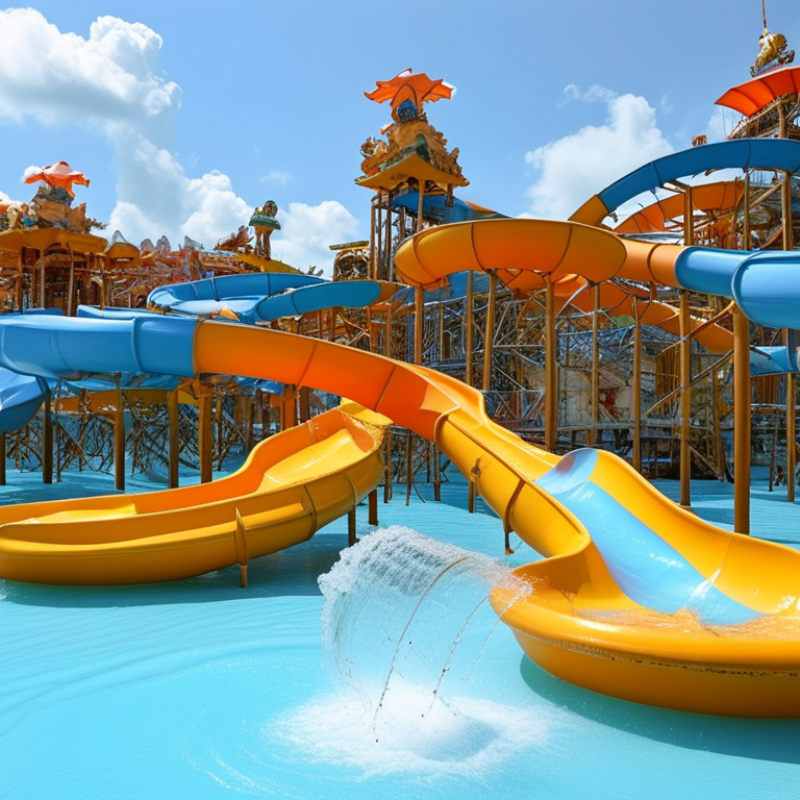
Water Splash Pad Park Equipment is a collection of interactive water-play components installed on a shallow, zero-depth surface. Unlike traditional pools, splash pads usually have no standing water for children to enter. They use ground sprays, arch jets, tipping buckets, misting poles, and rotating features to create movement and sensory play. Pumps deliver water through underground pipes, while drains, filters, treatment systems, and automatic controls support cleaner operation. The surface should be slip-resistant, gently sloped, and comfortable for bare feet. Good design also considers visibility, shade, accessibility, maintenance access, and emergency shutoff controls.
Tips: Choose equipment according to user age, site size, water pressure, and local safety requirements. Ask manufacturers for flow rates, material specifications, cleaning procedures, and replacement-part availability. Stainless steel and durable engineered plastics often perform well, but every material still needs inspection. Small nozzles can clog. Drain covers can wear. These details are easy to overlook.
Reliable manufacturers should provide tested components, clear installation drawings, warranty terms, and practical maintenance guidance. They should also explain how the recirculation system manages water quality during busy periods. In my view, attractive spray effects should never outweigh safe circulation and easy cleaning. Even experienced planners can underestimate noise, splash drift, or queue space. A careful site review, preferably after a trial layout, can expose those weaknesses before construction.
Splash pad water park equipment includes interactive, zero-depth water-play features such as spray arches, ground jets, water cannons, dumping buckets, and play structures. The chart compares common commercial equipment categories by typical design inlet pressure. Actual requirements vary by model, nozzle size, pump system, and local regulations.
Values show representative midpoint pressures in pounds per square inch (psi) based on commonly specified commercial splash pad operating ranges. Final equipment selection should always follow the manufacturer's technical specifications and project engineering requirements.
Ranking Splash Pad Water Park Equipment manufacturers requires more than comparing catalog sizes. Evaluators examine design experience, engineering documents, and completed projects. They also review how equipment performs in busy public spaces. A reliable manufacturer should explain flow rates, material grades, drainage needs, and surface protection clearly.
Safety carries the greatest weight. Reviewers check testing records, installation guidance, slip resistance, water exposure performance, and maintenance instructions. They assess whether spray features reduce hidden hazards and support easy cleaning. Customer references add practical evidence, especially from operators managing heavy seasonal use. Response time matters when a pump, nozzle, or control panel fails.
Cost is measured across the equipment’s full service life, not only the purchase price. Evaluators compare spare-part access, warranty terms, staff training, and technical support. Transparent quotes usually rank higher than attractive estimates with missing details. Site visits can reveal workmanship that photographs hide. Still, no ranking is flawless. A strong factory may struggle with one unusual climate or complicated site. An experienced reviewer records these limits instead of forcing a perfect score. Manufacturers are ranked by verified performance, honest communication, and consistent support after installation.
Top 10 Splash Pad Equipment Manufacturers to Know
Choosing among the top 10 splash pad equipment manufacturers requires more than comparing colorful product catalogs. Reliable manufacturers understand water flow, surface safety, drainage, and long-term maintenance. Their systems should support safe play while handling repeated use, harsh sunlight, and changing weather.
Look for manufacturers with documented material testing and clear installation guidance. Stainless steel components, slip-resistant surfaces, and protected water lines can reduce operational problems. A strong supplier also explains pump capacity, filtration needs, replacement parts, and cleaning procedures. During site visits, I have found that small details matter. A poorly positioned spray nozzle can create slippery puddles or reduce visibility. The Splash Pad Equipment Water Park design should fit the site, not force the site to fit the equipment. Manufacturers with practical field experience usually identify these risks earlier.
Tips: Ask for maintenance records, warranty terms, water-use data, and references from similar facilities. Request drawings showing drainage slopes and equipment access points. Check whether the manufacturer supports staff training after installation. Do not rely on appearance alone. Bright colors attract attention, but dependable engineering protects the investment. Some decisions may still need revision after observing real visitor behavior. Children rarely use equipment exactly as designers expect.
Top 10 Splash Pad Water Park Equipment Manufacturers
Leading splash pad equipment manufacturers usually organize their product ranges around interactive water experiences. Common categories include ground sprays, water arches, misting tunnels, tipping buckets, spray cannons, and interactive play panels. Each category creates a different rhythm for children, from gentle floor effects to sudden overhead drops. Some suppliers also provide filtration systems, pumps, drainage components, non-slip surfacing, and shade structures. These supporting elements strongly affect comfort, maintenance, and operating costs.
Design capability separates a basic equipment supplier from a dependable project partner. Experienced manufacturers use CAD drawings, hydraulic calculations, and three-dimensional layouts before production begins. They can adjust nozzle height, water pressure, flow rates, and spray direction for different age groups. Custom color schemes and themed structures may improve visual identity. More importantly, the design should suit the site. A compact urban pad needs tight circulation, while a resort installation may require wider zones and quieter water effects.
Field experience also reveals practical weaknesses. A dramatic bucket can create long queues when the surrounding drainage is undersized. Bright surfaces may look attractive, yet become uncomfortable under strong sunlight. I have seen layouts that looked excellent on paper but offered limited shade and poor visibility for caregivers. Reliable manufacturers should discuss cleaning access, winterization, replacement parts, and future expansion openly. No design is perfect. Small maintenance oversights can become expensive problems.
| Rank | Anonymous Manufacturer Profile | Key Product Categories | Core Design Capabilities | Materials & Construction | Customization Scope | Typical Project Applications | Design & Compliance Support |
|---|---|---|---|---|---|---|---|
| 01 | Profile 01 | Interactive spray arches, dumping buckets, ground sprays, play panels | Complete splash-pad layouts, themed play zones, hydraulic flow planning | 304 stainless steel, fiberglass-reinforced plastic, UV-stabilized HDPE | Color schemes, graphics, nozzle selection, structure themes, control packages | Municipal parks, resorts, family entertainment centers | Concept drawings, equipment schedules, installation guidance, safety documentation |
| 02 | Profile 02 | Water playground towers, water cannons, tipping elements, misting features | Multi-level play structures, age-zoned layouts, accessible circulation planning | Powder-coated steel, stainless steel, rotational-molded plastic components | Platform heights, spray patterns, themed panels, accessibility adaptations | Hotels, campgrounds, aquatic centers, public recreation areas | Technical specifications, water-consumption estimates, maintenance manuals |
| 03 | Profile 03 | Spray loops, interactive fountains, water tables, sensory play equipment | Low-depth splash areas, sensory programming, inclusive play design | Stainless steel, marine-grade fittings, textured non-slip surfacing systems | Water effects, play sequencing, tactile elements, custom surface graphics | Community parks, schools, therapeutic recreation facilities | Accessibility review, drainage coordination, operating and cleaning guidance |
| 04 | Profile 04 | Large tipping buckets, water curtains, spray cannons, overhead features | High-capacity interactive systems, structural integration, timed activation controls | 304/316 stainless steel options, engineered plastics, corrosion-resistant hardware | Bucket volume, activation timing, tower configuration, signage and theming | Water parks, destination resorts, high-traffic commercial venues | Load information, hydraulic calculations, anchoring details, commissioning support |
| 05 | Profile 05 | Modular splash-pad kits, spray posts, water tunnels, interactive buttons | Modular planning, phased expansion, compact footprints, simplified installation | Stainless steel, brass or polymer valves, impact-resistant molded parts | Module arrangement, color packages, spray intensity, control-zone grouping | Small parks, apartment communities, schools, urban plazas | BOMs, assembly instructions, utility connection diagrams, replacement-part lists |
| 06 | Profile 06 | Themed water-play structures, animal figures, fantasy elements, spray toys | Architectural theming, sculptural fabrication, story-based play environments | Fiberglass-reinforced plastic, stainless steel frames, durable exterior coatings | Custom sculptures, logos or graphics supplied by the client, themed color palettes | Resorts, zoos, themed attractions, hospitality developments | 3D concept visualization, fabrication drawings, finish schedules, care instructions |
| 07 | Profile 07 | Interactive fountains, dry-deck sprays, programmable jets, LED water features | Dry or wet deck integration, programmable sequences, evening visual effects | 316 stainless steel options, flush-mounted nozzles, waterproof lighting components | Jet height, lighting colors, activation sensors, music or timing integration | Civic plazas, shopping centers, resorts, public event spaces | Electrical coordination, control logic, drainage layouts, commissioning assistance |
| 08 | Profile 08 | Water-play panels, hand-operated pumps, splash toys, educational features | Low-maintenance play design, mechanical interaction, educational water flow concepts | Stainless steel, HDPE panels, food-contact-grade or potable-water-compatible fittings where required | Panel graphics, operating height, water pathways, tactile and cognitive activities | Schools, children's museums, nature centers, small aquatic venues | Product data sheets, installation templates, cleaning recommendations, user instructions |
| 09 | Profile 09 | Splash-pad surfacing, drainage systems, recirculation equipment, spray features | Integrated water-management planning, filtration coordination, deck and drainage design | Non-slip concrete or rubber surfacing, stainless drains, corrosion-resistant piping | Surface colors, drainage zones, equipment-room layouts, water-treatment configurations | Renovations, municipal facilities, commercial splash pads, retrofit projects | Hydraulic schematics, drainage coordination, equipment schedules, maintenance planning |
| 10 | Profile 10 | Portable splash systems, seasonal play units, compact spray features, event equipment | Temporary or relocatable layouts, rapid setup, lightweight modular configuration | UV-resistant polymers, aluminum or stainless frames, flexible water connections | Portable footprints, event themes, connection options, storage and transport configurations | Seasonal events, temporary venues, rental operations, mobile recreation programs | Setup drawings, operating procedures, transport instructions, inspection checklists |
Choosing among the Top 10 Splash Pad Water Park Equipment Manufacturers requires more than comparing prices or colorful designs. Safety begins with detailed engineering. Look for rounded edges, secure anchors, slip-resistant surfaces, and controlled water pressure. Commercial Splash Pad Equipment should also support reliable drainage and minimize standing water around play features. Ask for material specifications, installation drawings, maintenance records, and independent test reports. A polished brochure is not proof.
Compliance standards differ by location, so buyers should confirm requirements with local authorities and qualified inspectors. Check water treatment performance, filtration access, electrical grounding, anti-entrapment protection, and accessible circulation routes.
Quality equipment should tolerate constant sunlight, disinfectants, temperature changes, and heavy public use. Small parts need secure fastening. They should not loosen after repeated impact. No checklist catches everything.
Tips
Request a sample compliance file before ordering. Inspect welds, seals, bolts, and floor texture in person when possible. Ask how quickly replacement parts arrive. Train staff to test water chemistry, pumps, drains, and emergency shutoffs daily. Keep inspection logs with clear dates and signatures. One overlooked drain cover can create a serious hazard. Also, leave room for honest review: even well-designed systems may need better shade, clearer signs, or quieter pumps after opening.
Choosing the right splash pad manufacturer requires more than comparing colorful catalogs. The TEA/AECOM 2023 Theme Index reported 31.7 million visits across the top 20 water parks, an 8.5% increase from 2022. That growth increases pressure on equipment reliability, crowd flow, and maintenance planning.
Start with engineering evidence. Request hydraulic drawings, tested flow rates, drainage calculations, and material specifications. A capable manufacturer should explain how nozzles, pumps, filters, and control systems work together.
Ask for compliance with relevant standards, including ASTM guidance and NSF/ANSI requirements where applicable. The World Health Organization estimates 236,000 annual drowning deaths worldwide, so water-quality controls cannot be treated as decorative details. Verify disinfection procedures, slip resistance, visibility, and emergency shutoff access.
Inspect completed projects, not only showroom images. Speak with operators after several seasons of use. Ask how quickly replacement parts arrive and whether technicians provide on-site training.
A strong warranty matters, but response time matters more. Compare lifecycle cost, not the lowest quotation. Some low-cost systems quietly demand frequent nozzle cleaning or custom parts. That weakness may appear after opening day.
Published market data also has limits, because attendance reports rarely measure maintenance failures. This is where buyers must remain skeptical. A smaller supplier may offer better support, while a larger one may provide deeper engineering resources. Test both assumptions before signing.
: Review material tests, hydraulic drawings, drainage plans, warranty terms, and replacement-part availability. A polished catalog is not enough.
Look for rounded edges, secure anchors, slip-resistant flooring, protected water lines, and controlled spray pressure. Check every edge.
Request drainage-slope drawings and inspect drain locations near spray zones. Poor nozzle placement can create slippery puddles.
Ask about filtration access, disinfection procedures, pump capacity, cleaning routines, and daily water-testing requirements. Water quality is essential.
Check resistance to sunlight, disinfectants, temperature changes, and repeated public use. Inspect welds, seals, bolts, and small fasteners.
Not always. Compare lifecycle costs, cleaning frequency, custom parts, technical support, and expected replacement times.
Confirm staff training, equipment access points, emergency shutoffs, installation guidance, and technician response times after opening.
Visit completed projects and speak with operators after several seasons. Showroom images reveal very little.
Yes. Visitor behavior may differ from design expectations. Operators might later need more shade, clearer signs, or quieter pumps.
Keep dated inspection logs for water chemistry, pumps, drains, floor surfaces, fasteners, and emergency systems. Small oversights can matter.
This article provides a practical overview of Splash Pad Equipment Water Park solutions, explaining how interactive water features create safe, engaging, and accessible play environments for children, families, resorts, public parks, and recreational facilities. It introduces the main equipment categories, including water sprays, interactive play structures, tipping buckets, ground jets, climbing elements, control systems, and supporting infrastructure. The article also explains how manufacturers are evaluated through product quality, design experience, customization capabilities, reliability, customer service, and project performance.
Readers will discover ten leading types of manufacturers to know without focusing on specific brand names, along with the design capabilities and product options they commonly provide. The guide also highlights essential safety, material quality, sanitation, testing, and compliance considerations. Finally, it offers practical advice for selecting the right manufacturer by comparing project requirements, budget, site conditions, maintenance needs, installation support, and long-term service commitments.