Leave Your Message
0%

When you're thinking about installing Aquatic Play Equipment, it's really important for facilities to keep user experience and safety at the top of the list. Did you see the “2022 Aquatic Play Survey” by the National Association of Amusement Ride Safety Officials? It found that over 70% of aquatic centers have seen more visitors because of fun Water Features. That just goes to show how crucial it is to pick equipment that’s both creative and functional.

Good aquatic play setups should cater to a pretty wide age range—kids of all ages and abilities. According to the World Waterpark Association, a well-designed play structure can actually encourage physical activity among kids by up to 50%. That’s pretty impressive! It really highlights how important it is for facilities to carefully evaluate their equipment choices—beyond just how good it looks, safety standards are a must. These structures need to hold up against lots of use and wear.

Of course, choosing the right gear isn’t always straightforward. Many facilities find it tricky to balance cost with quality. That's why it’s a smart move to chat with professionals who know the ins and outs of local rules and industry standards. Reputable suppliers like Aquatic Recreation Company and PlayCore are great resources—they can guide you through the whole process. Spending some extra time doing your homework now means your investment will not only be safe but also create tons of fun for everyone who uses it.
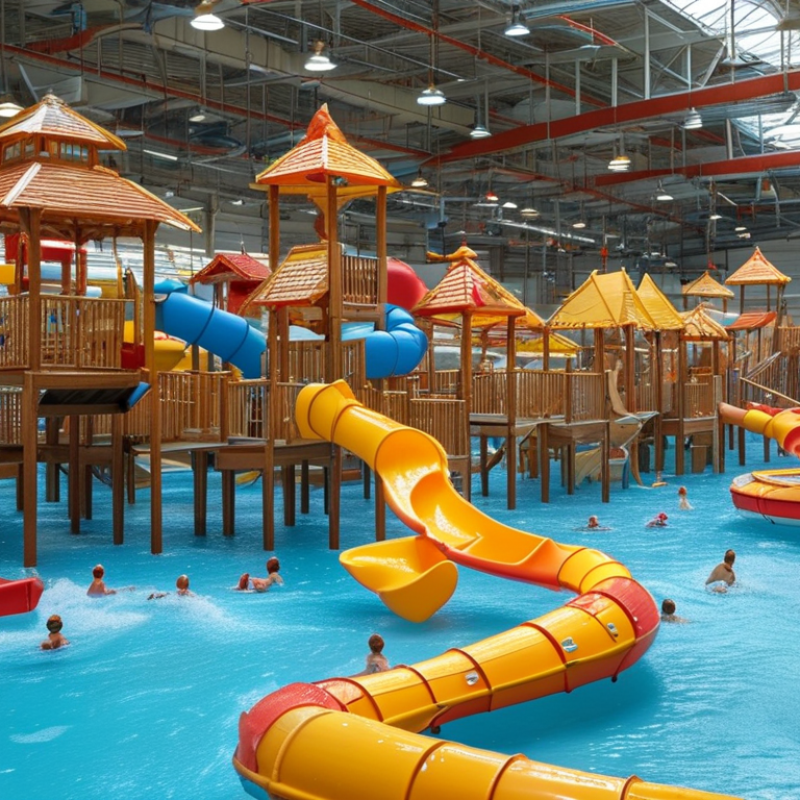
Top Tips for Choosing Aquatic Play Equipment for Your Facility?

Identifying the Needs of Your Facility for Aquatic Play Equipment

Identifying the needs of your facility for aquatic play equipment is essential. Start by assessing the age range of your target audience. Young children need safe, age-appropriate designs. Older kids seek engaging experiences that offer challenges. Make sure your equipment caters to diverse skill levels and interests.

Consider the space available. Indoor versus outdoor environments will influence your choices. Ensure there is enough room for movement, safety zones, and accessible pathways. Don't overlook maintenance needs. Equipment should be durable and easy to clean to ensure long-term usability. Reflect on how often you'll need to replace or repair items.

Safety is non-negotiable. Analyze your local regulations and safety standards. It's wise to consult with experienced professionals. They can guide you in making informed decisions. Remember, Fun Aquatic Play must always come with high safety measures. Balancing excitement with security is crucial for a successful aquatic play area.

Top Tips for Choosing Aquatic Play Equipment

Understanding the needs of your facility for aquatic play equipment is crucial for creating a safe and enjoyable environment. The following chart illustrates the top factors to consider when selecting aquatic play equipment based on facility type.

Understanding Safety Standards and Regulations for Aquatic Equipment

Choosing the right Aquatic Play equipment is essential for any facility. Safety standards play a critical role in this process. The American Society for Testing and Materials (ASTM) and the Consumer Product Safety Commission (CPSC) provide guidelines that all aquatic installations must meet. According to a 2021 report, around 65% of water-related accidents involved non-compliance with safety regulations.

When selecting equipment, consider age-appropriate features. For example, equipment designed for younger children should have lower heights and soft materials. Implementing features like water-resistant surfaces can also lower risks. A review of industry practices shows that over 40% of facilities do not adequately assess their installations for safety.

Understanding local regulations is equally vital. Many areas mandate regular inspections. Facilities that neglect this aspect may face penalties. In recent studies, 30% of aquatic facilities reported issues with compliance. It's crucial to remain updated on changes in safety standards. Ensuring your aquatic play installations align with these guidelines protects all users.

Top Tips for Choosing Aquatic Play Equipment for Your Facility

Feature Considerations Safety Standards Regulatory Bodies
Material Quality Durability and weather resistance ASTM F1487, EN 1176 Consumer Product Safety Commission (CPSC)
Design Features Interactive elements and age-appropriate designs ASTM F2461, ISO 17978 International Organization for Standardization (ISO)
Accessibility Ensure all users can participate ADA Compliance Department of Justice (DOJ)
Maintenance Requirements Regular inspections and cleaning procedures CPSC Guidelines National Association of State Parks (NASP)
Water Safety Features Depth markers, emergency stop buttons APSP Standards Association of Pool & Spa Professionals (APSP)

Evaluating the Age Group and Skill Levels of Intended Users

When selecting aquatic play equipment, understanding the age group and skill levels of users is crucial. Different age ranges require varying features and safety measures. Younger children often need equipment designed for safety, such as shallow slides and gentle water interactions. Meanwhile, older kids may seek more challenging activities, like climbing walls or competitive water games. Matching the equipment to the users' abilities ensures an enjoyable and safe experience.

Consider the physical capabilities of your intended audience. Some kids may be hesitant in the water, while others are adventurous. Equipment like splash pads can cater to a wider range of comfort levels. It allows for exploration and encourages participation. Observing how users engage with the Aquatic Playground Equipment can provide insights for future enhancements.

It’s also important to reflect on the design of the space. A well-planned layout ensures that younger and older children can play simultaneously without conflict. Flexibility in the design can also promote inclusivity. Make adjustments based on feedback from users. Keeping safety and enjoyment in mind is essential in creating a successful aquatic playground.

Assessing the Space and Layout Requirements for Aquatic Play Areas

When designing an aquatic play area, understanding spatial requirements is crucial. Begin by analyzing the size and shape of the available space. A well-planned layout optimizes safety and enjoyment. Consider pathways for supervision, ensuring visibility of all areas.

Evaluate the types of Aquatic Park Equipment suitable for your environment. Water slides demand specific clearance heights. Splash pads require drainage considerations to prevent flooding. Positioning is key; elements that generate excitement need adequate spacing to minimize overcrowding. Overlooking these factors can lead to design flaws.

Also, think about the flow of movement. Visitors should navigate seamlessly. Create zones for different age groups to promote safety. It's important to reflect on the balance between engaging features and available space. The right choices can foster a vibrant atmosphere that invites families to return. Each decision shapes the experience; take the time to assess thoroughly.

Choosing Durable and Weather-Resistant Materials for Equipment

When selecting aquatic play equipment, the choice of materials is crucial. You want equipment that can withstand harsh weather conditions. Consider using materials like stainless steel and high-density polyethylene. These materials are not only durable but also resistant to corrosion. They can endure prolonged exposure to water and sunlight, making them ideal for outdoor facilities.

Think about the long-term impact of your choices. Some materials may look appealing initially but fail to hold up over time. For instance, treated wood may seem cost-effective, but it can rot or splinter. It might require frequent maintenance. Heavy-duty plastics might be more forgiving. They are often lighter and easier to handle.

On the other hand, aesthetics should not be neglected. While functionality is essential, you still want the equipment to be visually appealing. Bright colors can attract children, while thoughtful designs encourage imaginative play. Balancing durability with aesthetics requires careful planning and research. Investing in high-quality materials may lead to higher initial costs. Yet, durable equipment pays off through reduced maintenance and replacement in the long run.

Exploring Design Features that Enhance Fun and Learning

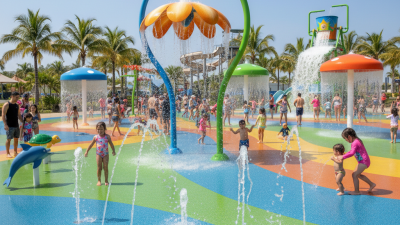
Designing aquatic play equipment requires careful consideration of features that promote both fun and learning. Colorful elements can engage children visually and stimulate their imagination. Features such as splash pads or water slides encourage physical activity. These installations provide opportunities for social interaction, as children often play together, fostering teamwork and communication skills.

Safety should not be overlooked. Equipment needs to be well-constructed and age-appropriate to prevent accidents. Smooth edges and non-slip surfaces are important design considerations. Ideal aquatic environments also include areas for different skill levels. This allows all children, from beginners to advanced swimmers, to enjoy the space.

Moreover, monitoring how children interact with play equipment offers valuable insight. Observers can see which features attract more engagement. Adjustments may be needed based on these observations to enhance the play experience. Balancing fun and safety is key. Each design choice should aim to create a memorable and educational atmosphere.

Budgeting for Purchase, Installation, and Maintenance of Equipment

When budgeting for aquatic play equipment, consider every expense. Equipment purchase costs can vary significantly. Installation may require professional help. This can add to the overall budget. Ongoing maintenance is crucial for safety and usability.

Tips: Always plan for unforeseen expenses. Allocate funds for repairs or replacement parts. Investing in quality materials can reduce long-term costs. Consider the lifespan of equipment when making decisions.

Research local regulations and safety standards. These can influence both initial expenses and maintenance needs. Sites may have specific requirements that affect your budget. Staying informed can save money and ensure compliance. Balancing cost and quality is essential; cheaper does not always mean better.

FAQS

: What should be the first step when selecting aquatic play equipment?

: Assess the age range of your target audience to ensure safety and engagement.

How does the space available influence equipment choices?

The type of environment—indoor or outdoor—affects the size and type of equipment you can use.

Why is maintenance important when choosing aquatic play equipment?

Durable and easy-to-clean equipment ensures long-term usability and reduces frequent repairs.

What safety measures should be taken when selecting equipment?

Analyze local regulations and consult professionals to ensure all safety standards are met.

How can you evaluate the needs of different age groups?

Younger kids need safe designs, while older children prefer challenging activities.

What role do design features play in aquatic equipment?

Colorful elements promote engagement while features like splash pads encourage physical activity.

Why is it important to consider user interactions with equipment?

Observing how kids interact can reveal what features engage them the most, aiding improvements.

How can feedback from users enhance aquatic play areas?

Adjustments based on user experiences can create a more enjoyable and inclusive environment.

What should be considered for equipment suitable for various skill levels?

Incorporate diverse features that allow everyone from beginners to advanced swimmers to enjoy.

How can you balance fun with safety in aquatic play design?

Every design choice must prioritize safety while still encouraging memorable and educational experiences.

Conclusion

When choosing Aquatic Play Equipment for your facility, it's essential to identify the specific needs of your space. Consider understanding the safety standards and regulations that govern aquatic equipment to ensure a safe environment for users. Evaluating the age groups and skill levels of intended users can help in selecting appropriate features that promote enjoyment and learning. Additionally, assess the available space and layout to determine the most effective configuration for your aquatic play area.

Durability is another critical factor; opting for weather-resistant materials will ensure the longevity of the equipment. Finally, budget for not just the purchase and installation of Aquatic Play Equipment, but also consider ongoing maintenance costs. By following these guidelines, you can create a vibrant and engaging aquatic play environment that meets the diverse needs of your community.

Isabella

Isabella

Isabella is a dedicated marketing professional at Lixue Amusement Equipment (Shanghai) Co., Ltd., where she excels in promoting the innovative products of the company. With a deep understanding of the amusement equipment industry, she brings a wealth of knowledge to her role, ensuring that the......
Previous 2026 Best Playground Equipment Dimensions for Global Buyers