Leave Your Message
0%

When it comes to designing safe and fun kids' play areas, understanding the right dimensions for playground equipment is a big deal. According to the folks at ASTM (American Society for Testing and Materials), play spaces should be not only super enjoyable but also built with safety in mind — because nobody wants injuries, right? Data from the National Program for Playground Safety shows that nearly 200,000 kids get treated for playground-related injuries every year. That really highlights how crucial it is to have equipment that’s the right size and properly designed to keep kids safe.
Understanding Playground Equipment Dimensions for Safety and Fun in Children's Play Areas

Getting the dimensions right isn’t just about safety, though — it also affects how kids play, how accessible the equipment is, and how enjoyable the whole space feels. For example, the CPSC (Consumer Product Safety Commission) recommends designing swings, slides, and other equipment so they’re spaced out properly. This helps prevent accidents and makes sure kids can move around easily without bumping into each other or risking a fall.

Plus, the size of the equipment really shapes how the whole play area feels and functions — especially now, when inclusive play areas are becoming more popular. Knowing the ins and outs of Playground Equipment Dimensions is key to creating spaces where kids of all abilities can socialize, have fun, and develop important skills. At the end of the day, making smart choices about equipment size means safer, more enjoyable play spaces that encourage children to stay active and love to play for years to come.
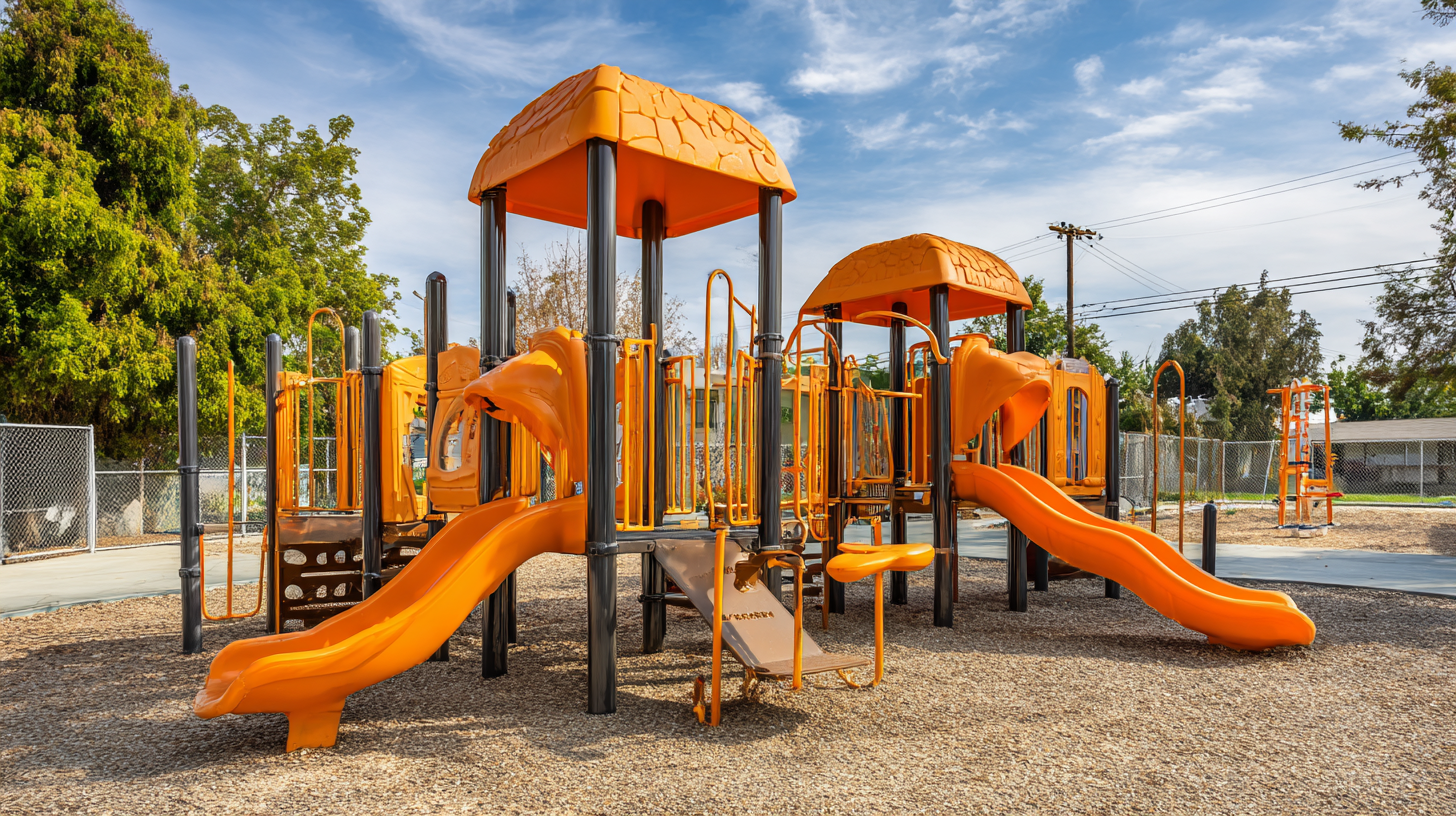
The Importance of Proper Dimensions in Playground Design

Understanding Playground Equipment Dimensions for Safety and Fun in Children's Play AreasProper dimensions in playground design are crucial for ensuring the safety and enjoyment of children. When playground equipment is designed with the right measurements, it minimizes the risk of accidents and injuries. For instance, swings should be placed at a safe distance from other equipment and the ground must be at a suitable height to absorb falls. Understanding the appropriate height and width of slides, climbing structures, and other equipment allows for adequate spacing that helps prevent overcrowding and allows children to play freely without the fear of collisions.

Moreover, proper dimensions facilitate different age groups to engage with the equipment safely. Designers must consider variations in physical development and skill levels among children. Equipment that is too high or too difficult can discourage younger children, while equipment that is too basic may not challenge older kids. By carefully crafting dimensions that cater to different age groups, playgrounds can provide fun and stimulating environments that encourage social interaction, physical activity, and creativity, all while keeping safety at the forefront. This thoughtful approach to playground design allows for a balanced experience where fun and safety coexist effectively.

Key Safety Standards for Playground Equipment Measurements

When it comes to ensuring the safety and enjoyment of children in play areas, understanding playground equipment dimensions is crucial. Adhering to key safety standards for playground equipment measurements not only helps in minimizing risks but also enhances the overall play experience. For instance, the U.S. Consumer Product Safety Commission (CPSC) provides specific guidelines on the height of Play Structures. Equipment should be designed to accommodate children of various ages, with critical height limits that prevent falls from excessive heights.

Tips: Always choose playground equipment that is age-appropriate. For preschool children, structures should not exceed 3-5 feet in height, while older children can safely engage with equipment that ranges from 5-7 feet. Additionally, make sure that safety surfacing is installed according to the recommended depth to cushion falls effectively.

Another important aspect to consider is the spacing of equipment. Safe distances between swings, slides, and climbing structures can prevent collisions and injuries. The CPSC recommends a minimum of 6 feet between play structures, and for swings, the distance should extend to about twice the height of the Swing Set.

Tips: Regularly inspect the area around playground equipment to ensure clear pathways. Ensure that there is no debris and that surfaces are maintained to meet safety standards continuously. By closely following these guidelines, we can provide a safer environment that allows children to explore and have fun.

How to Choose Age-Appropriate Equipment Dimensions for Kids

When selecting playground equipment, understanding the appropriate dimensions for different age groups is crucial for ensuring a safe and enjoyable play experience. Equipment designed for toddlers should have lower heights and features that support their developing motor skills. For preschoolers, play structures can incorporate slightly taller slides and climbing areas, fostering a sense of adventure while keeping safety in mind. By ensuring the right dimensions, children can explore and learn in a secure environment tailored to their abilities.

**Tips for Choosing Age-Appropriate Equipment Dimensions:**
1. For children aged 2-5, choose equipment with a maximum deck height of 3 feet to minimize the risk of falls.
2. Incorporate features such as ramps and gentle slides that encourage toddlers to engage without feeling overwhelmed.
3. For kids aged 5-12, select equipment with heights up to 8 feet, ensuring that climbing structures and slides are designed to challenge their physical skills while still allowing for safe landings.

By carefully selecting dimensions suited for various age groups, caregivers can enhance both safety and enjoyment in children's play areas, allowing every child to thrive during their playtime.

Maximizing Fun: Balancing Space and Equipment Size

When creating children's play areas, balancing space and equipment size is crucial for ensuring both safety and enjoyment. According to the American Society for Testing and Materials (ASTM), the recommended space for playground equipment should be at least six feet around the structure to provide a buffer against falls. This guideline helps minimize injuries while allowing children the freedom to play actively without feeling confined. The layout needs to accommodate various equipment sizes while making sure that they are spaced appropriately for parallel or interactive play.

Moreover, the importance of equipment dimensions plays a significant role in maximizing fun. The National Program for Playground Safety suggests that slides should have platform heights between 48 and 60 inches for school-age children, ensuring that the thrill of the descent is balanced with safety parameters. Additionally, swings need to be installed with at least 30 inches of clearance from other structures, creating an engaging environment while preventing accidents. By adhering to these standards, playground designers can create spaces that foster imagination and physical activity, allowing children to engage freely and safely.

Understanding Playground Equipment Dimensions for Safety and Fun in Children's Play Areas

Essential Safety Features Related to Playground Equipment Dimensions

When designing children's play areas, the dimensions of playground equipment are crucial for ensuring both safety and enjoyment. Essential safety features must consider the appropriate height, width, and space requirements of each equipment type. For example, swings should have a minimum clearance of at least 30 inches above the ground and require ample space around them to prevent collisions. Furthermore, the distance between climbing structures should allow for adequate fall zones, typically extending six feet from the edge of the equipment, to cushion any accidental falls.

In addition to proper spacing and clearance, materials used in playground construction play a significant role in safety. Equipment should be built with rounded edges and non-toxic finishes to prevent injuries. Safety surfacing, such as rubber mats or engineered wood fiber, absorbs impact and reduces the risk of serious injuries when children fall. By adhering to strict guidelines regarding dimensions and safety features, playgrounds can provide a secure environment where children can play freely and safely, fostering both fun and physical development.

Understanding Playground Equipment Dimensions for Safety and Fun in Children's Play Areas

Understanding Impact Surfacing and Its Impact on Safety Standards

When designing safe and engaging play areas for children, understanding impact surfacing is crucial. This type of surfacing, which can include materials such as rubber, wood chips, or synthetic turf, significantly affects safety standards. According to the National Program for Playground Safety, falls contribute to over 75% of playground injuries, highlighting the importance of proper surfacing. The right impact-absorbing material can reduce the risk of serious injuries. For instance, a well-maintained rubber surface can provide a fall height protection of up to 12 feet, adhering to ASTM standards for playground safety.

Tips for ensuring the safety of your play area include regularly inspecting surfacing for wear and deformation, as these factors can diminish their protective qualities. Additionally, ensure that the fall space around equipment extends far enough to accommodate energetic play; the recommended distance is at least six feet from the edge of structures. Parents and guardians should also be educated on these aspects to help reinforce safety behaviors during playtime.

Understanding the impact of surfacing on playground safety not only contributes to compliance with safety regulations but also promotes a fun, worry-free environment for children. Investing in high-quality materials and regular maintenance can foster safe play and enhance the overall experience, allowing kids to explore and develop freely.

Maximizing Children’s Play Experience: Insights from Industry Reports on the Impact of Colorful Play Equipment

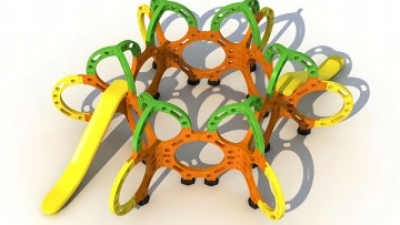
The importance of play in a child's development cannot be overstated, and the design of play equipment plays a significant role in enhancing their experience. Insights from industry reports highlight that colorful play equipment can improve children's engagement and enjoyment, crucial factors that contribute to their physical and social development. One remarkable product embodying these principles is the colorful three-dimensional ring slide, which not only stands out due to its vibrant aesthetics but also provides endless fun for children of all ages.

Designed with customization in mind, this slide is made from durable LLDPE engineering plastic, ensuring longevity even in the most bustling playgrounds. Its unique structure allows for a free combination with other playground elements, making it versatile and adaptable to various playground sizes. The blend of eye-catching design and bright colors can transform any play environment into an inviting space that sparks children's imagination and encourages them to explore and interact with their peers.

Moreover, this colorful ring slide promotes safe and engaging play, allowing children to navigate its three-dimensional structure while fostering essential skills such as balance and coordination. By incorporating such vibrant and customizable play equipment, playground designers can create appealing environments that not only attract children but also support their growth and development through joyful play experiences.

FAQS

: Why are proper dimensions important in playground design?

: Proper dimensions in playground design are crucial to ensure the safety and enjoyment of children, minimizing the risk of accidents and injuries by maintaining adequate spacing between equipment and appropriate heights for various activities.

What are the recommended height limits for playground equipment?

For preschool children, playground structures should not exceed 3-5 feet in height, while equipment for older children can safely range from 5-7 feet to accommodate different age groups.

How much space should be maintained between playground equipment?

The U.S. Consumer Product Safety Commission recommends a minimum of 6 feet between play structures, with swings requiring a distance of about twice the height of the swing set to prevent collisions.

What is impact surfacing, and why is it important?

Impact surfacing refers to materials like rubber, wood chips, or synthetic turf that help absorb falls, significantly reducing the risk of injuries, as falls account for over 75% of playground injuries.

What is the recommended distance for fall space around playground equipment?

The recommended distance for fall space around playground equipment is at least six feet from the edge of structures to accommodate energetic play.

How can parents and guardians contribute to playground safety?

Parents and guardians can contribute by being educated about safety standards, regularly inspecting surfacing for wear, and ensuring that pathways around playground equipment are clear of debris.

Why should playground equipment be age-appropriate?

Playground equipment should be age-appropriate to cater to the physical development and skill levels of different children, ensuring that it is both challenging and safe to promote active play.

How often should playground surfaces be inspected?

Playground surfaces should be inspected regularly for wear and deformation, as these factors can decrease their protective qualities and impact safety standards.

What are the benefits of adhering to safety standards in playground design?

Adhering to safety standards in playground design enhances the overall play experience, minimizes risks of injuries, and encourages children to engage in social interaction and physical activity in a safe environment.

What types of materials can be used for impact surfacing?

Common materials for impact surfacing include rubber, wood chips, and synthetic turf, all of which can provide effective fall height protection when properly maintained.

Conclusion

Understanding Playground Equipment Dimensions is crucial for ensuring both safety and enjoyment in children's play areas. Proper dimensions play a pivotal role in playground design, adhering to key safety standards that dictate equipment measurements. Selecting age-appropriate dimensions is essential, as it directly influences the play experience and security of children. Additionally, balancing space with equipment size maximizes fun while ensuring that essential safety features are incorporated into the design.

At Leisure Playground Toys (Shanghai) Co., Ltd., we recognize the significance of Playground Equipment Dimensions in crafting innovative play structures. With over two decades of experience in the industry, we are committed to producing customized playground equipment that not only meets safety requirements but also enhances children's play experiences. Understanding the importance of impact surfacing further solidifies our dedication to creating safe and enjoyable environments for kids.
Isabella

Isabella

Isabella is a dedicated marketing professional at Lixue Amusement Equipment (Shanghai) Co., Ltd., where she excels in promoting the innovative products of the company. With a deep understanding of the amusement equipment industry, she brings a wealth of knowledge to her role, ensuring that the......
Previous Innovations in Outdoor Playgrounds for Children 2025 Trends and Insights Guide