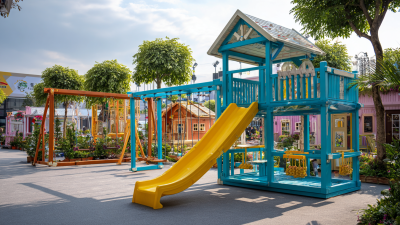
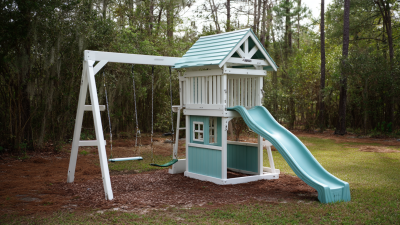
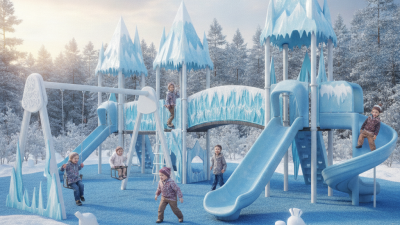
An [Outdoor Playhouse And Swing Set](https://www.leisure-playset.com/outdoor-playhouse-and-swing-set) is more than just playground equipment—it’s a backyard space where kids can let their imaginations run wild while staying active. The playhouse might look like a tiny cottage, cabin, or even a clubhouse, giving kids a cozy hideaway where they can pretend to cook, read stories, or just quietly watch the world go by. The swing set isn’t just about swinging; it offers climbing, sliding, balancing, and all kinds of fun activities that help kids develop their physical coordination and social skills through play.
Dr. Joe Frost, a well-known playground researcher and professor emeritus at the University of Texas, once said simply, “Play is the business of childhood.” That says it all, really. A good Outdoor Play Set isn’t just about bright colors or cool designs—it’s a place where children get to make choices, try out different movements, and even negotiate roles and games with friends. And the best ones leave room for imagination — sure, a plastic steering wheel might be fun, but kids often come up with their own stories that are way more creative without it.
When you're evaluating a playset, don’t just go by looks. It’s important to check if the frame is stable, how high the platform is, the spacing between swings, guardrails, handgrips, and whether the ground surface can absorb falls. Be sure to follow the manufacturer’s instructions and check out the latest safety tips from the U.S. Consumer Product Safety Commission. Also, keep in mind your local yard conditions—wet soil, intense sunlight, or uneven terrain can affect how the set performs from day to day. Even a really sturdy set might not be a great fit for a tiny yard — this is something folks often overlook. Plus, think about supervision, the recommended age range, access for maintenance, and whether your kids might quickly outgrow the equipment. Those are all important factors. Ultimately, the real value of a playset comes down to its safe design, smart placement, and how children actually enjoy and interact with it in their everyday lives.
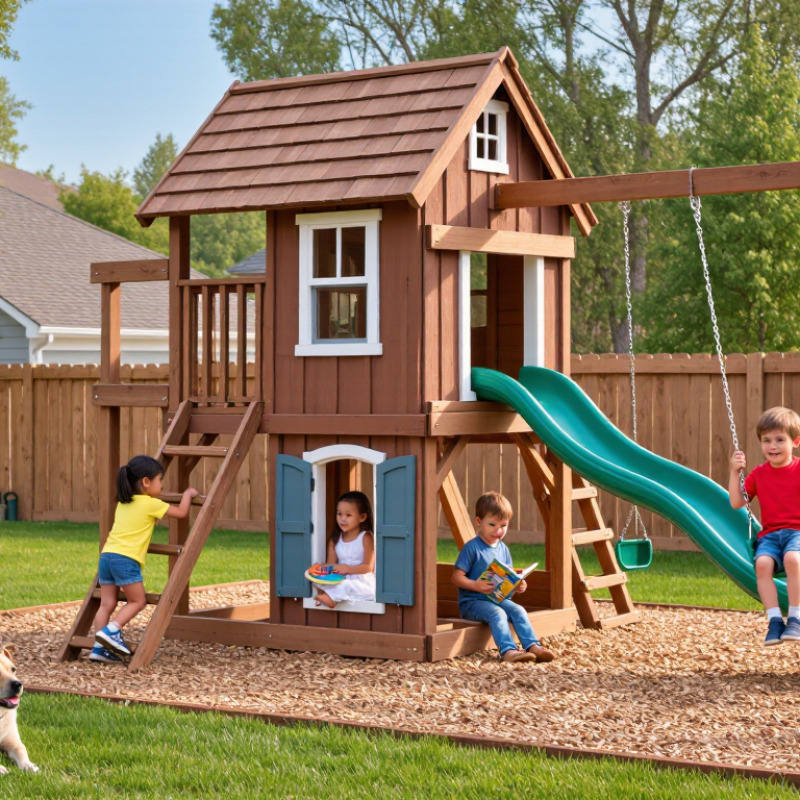
An outdoor playhouse is a small, child-sized structure designed for imaginative play outside. It may resemble a tiny home, cabin, shop, or clubhouse. Typical features include a doorway, windows, a floor, and sometimes a raised platform. Some models include a short slide or climbing access. The main purpose is pretend play, not sleeping or permanent shelter. Its materials should withstand sunlight, rain, and regular handling. Smooth edges, secure panels, and stable flooring matter more than decorative details. A playhouse can feel magical. It can also become hot, damp, or slippery when poorly placed.
A swing set is a freestanding outdoor frame that supports swings and related play equipment. It commonly includes seats, chains or ropes, a climbing section, and sometimes a slide. The frame must remain stable during repeated movement. Proper spacing helps prevent collisions between children and nearby walls, fences, or trees. Installation should follow the supplied instructions and relevant local safety guidance. Adults should check fasteners, worn ropes, sharp edges, and soft ground regularly. Age and weight limits are practical safety information, not optional suggestions. From an inspection perspective, a level surface is essential. I have found that small slopes can make a structure feel secure while gradually stressing its joints. The definition seems straightforward, but safe outdoor play depends on placement, maintenance, and supervision.
An outdoor Playhouse And Swing Set combines imaginative play with active movement in one backyard structure. The playhouse usually includes raised flooring, wall panels, a roof, windows, and an entry opening. Some designs add a small porch, climbing wall, or compact slide. These features create spaces for pretend cooking, reading, and quiet play.
The swing set normally has two strong upright posts, a crossbeam, swing hangers, and flexible seats. A stable frame matters more than decorative details. Look for rounded edges, covered bolts, secure fasteners, and surfaces that resist splinters. The swings need enough spacing to reduce collisions, while the surrounding ground should provide a soft, clear fall zone. Grass alone may not offer reliable protection.
A well-planned Playhouse And Swing Set also considers drainage, shade, ventilation, and adult visibility. Windows should allow airflow without creating easy climbing hazards. The platform needs sturdy rails, especially when it sits above ground level. Check the structure regularly for loose hardware, cracked wood, rust, and weather damage. Small defects can become serious quickly. No design is perfect. Even a carefully installed set may need adjustments after rain, seasonal movement, or repeated use. Safety guidance should match the children’s ages, abilities, and local requirements.
An outdoor playhouse and swing set combines a small elevated structure with moving play equipment. The playhouse usually rests on a platform, supported by posts, braces, and a ladder. Swings hang from overhead beams using chains, ropes, or flexible connectors. When a child moves forward and backward, gravity and body weight create a repeated pendulum motion. The frame must absorb these forces without shifting.
A Metal Swing Set With Playhouse needs stable anchoring and enough clearance around each moving part. The U.S. Consumer Product Safety Commission reports about 200,000 playground-related injuries receive emergency treatment annually in the United States. Its Public Playground Safety Handbook recommends protective surfacing, secure barriers, and careful spacing around swings. These details matter at home, where installation errors are easy to miss. Loose bolts can develop movement. Wet ground can reduce stability.
Protective surfacing softens falls, but it does not remove risk. Engineered wood fiber, rubber tiles, and approved loose-fill materials perform differently under weather and repeated use. ASTM F1148 provides safety guidance for residential play equipment, including openings, platforms, and structural strength. I have found that checking connections before every season is more realistic than trusting one installation inspection. Look beneath the platform, touch each anchor, and watch for rust or cracked plastic. Some measurements may still be imperfect. Children do not play perfectly either.
An outdoor playhouse and swing set combines imaginative play with active movement. A playhouse may include windows, a small door, a crawl space, or a raised platform. Swing sets usually offer belt swings, bucket seats, trapeze bars, or climbing accessories. Common configurations include a compact two-swing frame, a playhouse with an attached slide, and a larger modular layout with monkey bars and a climbing wall. Some structures use straight platforms, while others connect several levels with ramps or ladders.
Configuration should match the child’s age, available space, and supervision routine. The U.S. Consumer Product Safety Commission reports more than 200,000 playground equipment injuries each year treated in emergency departments. Its Public Playground Safety Handbook stresses impact-absorbing surfacing, guardrails, safe spacing, and regular maintenance. These details matter at home, too. A soft surface under the swings is essential. Grass alone can become hard and uneven.
ASTM F1148 provides safety guidance for home playground equipment, while IPEMA certification can support product-quality evaluation. Still, certification does not replace installation checks. Measure the swing arc carefully. Keep climbing routes clear. Inspect bolts, ropes, wood, and plastic after rain or seasonal temperature changes. A bigger set is not automatically better. It may create blind corners and harder supervision. In practice, families sometimes choose too many accessories and rarely use half of them. A simpler layout may offer more useful play, though that judgment deserves regular review.
What Is an Outdoor Playhouse and Swing Set?
An outdoor playhouse and swing set combines imaginative space with active movement. A Playhouse Swing Set Combo may include swings, climbing steps, a small platform, and a pretend home. Children can turn the platform into a shop, treehouse, or quiet reading corner. Their stories change daily. That flexibility supports language, creativity, and social confidence.
Swinging develops rhythm, balance, and body awareness through repeated movement. Climbing challenges grip strength and coordination. Running between play areas also builds stamina. When children play together, they practice sharing roles and solving small disagreements. “You be the shopkeeper.” Simple words can become meaningful cooperation. Adults can support this growth by asking open questions, rather than controlling every game.
Safety still shapes the quality of play. The structure should match the child’s age, size, and physical ability. Install it on a stable surface with suitable protective ground material. Check bolts, ropes, steps, and swing seats regularly. Supervision matters, especially for younger children. It is not magic. A playhouse cannot replace conversation, outdoor walks, or varied movement. Some children may avoid climbing at first, and that is normal. Gentle encouragement works better than pressure. A muddy shoe, a missed turn, or a changing game can become part of the learning experience.
| Data Dimension | Outdoor Playhouse | Swing Set | Play and Development Value |
|---|---|---|---|
| Basic Definition | A small outdoor structure designed for imaginative play, role-play, social interaction, and quiet activities. | An outdoor frame with suspended seats or other moving elements that children use for swinging and active play. | Both provide dedicated outdoor play space while supporting different types of physical and cognitive activity. |
| Common Play Style | Imaginative play Children may create pretend homes, shops, schools, restaurants, or adventure settings. | Active play Children use body movement, balance, rhythm, and spatial awareness to control motion. | Pretend play encourages creativity and communication, while swinging promotes movement coordination and body awareness. |
| Typical Age Range | Often suitable for preschool and early elementary-age children, depending on the structure, access points, and manufacturer’s age guidance. | Age suitability varies by seat type. Bucket seats are designed for younger children who need more support; belt seats are generally for children who can sit independently and follow safety rules. | Age-appropriate equipment helps children use the play area with greater confidence and reduces avoidable safety risks. |
| Primary Physical Skills | Climbing, stepping, crawling, reaching, bending, and moving through doorways or small spaces. | Pumping legs, maintaining posture, gripping, balancing, coordinating movement, and judging distance. | Regular active play can contribute to gross-motor development, strength, balance, coordination, and physical confidence. |
| Cognitive Skills | Planning pretend scenarios, sequencing events, solving simple problems, remembering roles, and using symbolic thinking. | Understanding cause and effect, adjusting body movement, estimating speed and distance, and following simple rules. | Open-ended play gives children opportunities to make decisions, test ideas, and adapt their behavior. |
| Social and Emotional Benefits | Encourages cooperation, conversation, negotiation, turn-taking, empathy, and self-expression during group role-play. | Supports turn-taking, patience, rule-following, confidence, and persistence as children practice movement skills. | Shared outdoor play can strengthen communication, emotional regulation, independence, and peer relationships. |
| Level of Adult Supervision | Adults should supervise younger children, especially around elevated platforms, ladders, windows, doors, and small openings. | Active supervision is important, particularly for younger children, multiple users, falls, collisions, and improper use of moving equipment. | Supervision should match the child’s age, skill level, equipment design, and the number of children playing. |
| Recommended Surface | Install on a stable, level area with impact-absorbing surfacing beneath elevated sections and climbing access points. | Use impact-absorbing surfacing beneath and around the swing path. Hard surfaces such as concrete, asphalt, and compacted soil are not suitable fall zones. | Appropriate surfacing can help reduce the severity of injuries from falls, although it cannot eliminate risk. |
| Space Planning | Allow room for doors, steps, climbing access, child movement, and safe adult supervision around the structure. | Provide clear space in front of, behind, and beside each swing so moving children do not collide with people or nearby objects. | A clear layout improves visibility and helps separate active movement areas from walkways and obstacles. |
| Safety Checks | Inspect platforms, railings, ladders, fasteners, flooring, openings, splinters, sharp edges, and structural stability. | Inspect hangers, chains, seats, connectors, frame stability, pinch points, sharp edges, and signs of wear or corrosion. | Routine inspections and timely repairs help maintain safe equipment performance over time. |
| Weather and Maintenance | Wooden structures may require periodic cleaning, sealing, or inspection for moisture damage, splinters, and decay. | Metal and wooden frames should be checked for rust, cracks, loose hardware, weather damage, and weakened connections. | Maintenance protects the structure and reduces hazards caused by deterioration or loose components. |
| Best Use in a Yard | Suitable for quieter, imaginative, cooperative, and open-ended play. | Suitable for short bursts of vigorous movement, balance practice, and gross-motor activity. | A combined play area can offer a broader balance of creative, social, and physical experiences. |
Safety note: Select equipment according to the child’s age and abilities, follow the product instructions, maintain clear fall zones, use suitable protective surfacing, and provide active adult supervision.
An outdoor playhouse and swing set combines imaginative space with moving equipment, so safety must guide every decision. The U.S. Consumer Product Safety Commission’s 2021 report estimated 155,400 playground-equipment injuries among children under 14 treated in emergency departments. Falls remained the leading hazard. A Small Playhouse With Swing needs a level site, clear swing zones, and impact-absorbing surfacing. Use the applicable ASTM standards, including ASTM F1148 for home playground equipment and ASTM F1292 for protective surfacing. These standards support safer design, but they do not replace careful supervision.
Installation details matter. Anchor posts firmly in stable soil, check every bolt, and keep swings away from fences, walls, and tree branches. Follow the supplied instructions exactly. Do not improvise missing hardware. A small mistake can move under repeated motion. During my own safety checks, I have noticed that loose fasteners often appear harmless until children climb, twist, and jump. That is why installation deserves a second inspection after the first week.
Tips:
Walk around the structure before each use. Look for cracked wood, rust, sharp edges, exposed anchors, and worn ropes. Rake loose-fill surfacing back beneath slides and swing seats. Keep the surface deep enough for the equipment’s fall height. The CPSC recommends regular inspections and maintenance, yet busy households may skip them. Set a monthly calendar reminder, then perform a closer seasonal review. Replace damaged parts promptly, even when the playhouse still looks attractive. An overlooked corner can matter.
It combines imaginative play with active movement. A playhouse may have windows, a small door, or a raised platform. Swing equipment may include belt swings, bucket seats, climbing bars, or ropes.
A compact frame with two swings usually needs less space. A small playhouse with an attached slide can also work. Measure the swing path, slide exit, and walking routes before buying.
Match the structure to the child’s age, available space, and supervision habits. A larger set is not automatically better. Too many accessories can create blind corners and unused equipment.
Use impact-absorbing surfacing beneath swings, slides, and climbing areas. Grass alone may become hard, thin, or uneven. Keep loose-fill material deep enough for the equipment’s fall height.
Place the structure on level ground. Anchor posts firmly in stable soil. Tighten every bolt and follow the supplied instructions. Never improvise missing hardware.
Keep swings away from fences, walls, tree branches, and other equipment. Maintain a clear swing zone around every seat. Children should not walk behind moving swings.
Walk around it before each use. Check bolts, ropes, wood, plastic, anchors, and surfacing. Perform a closer review each month and after severe weather. A monthly reminder helps, although busy families may still forget.
Look for cracked wood, rust, sharp edges, worn ropes, and exposed anchors. Replace damaged parts promptly. A structure can look attractive while hiding a serious weakness. I would not postpone repairs because the damage seems small.
An Outdoor Playhouse And Swing Set is a backyard play structure that combines a small raised or ground-level playhouse with swinging equipment and other activity features. It may include platforms, ladders, climbing walls, slides, railings, roofs, seats, and imaginative play spaces. Designs range from compact single-unit structures to larger configurations with multiple swings, connecting decks, tunnels, or modular accessories. These systems work by providing stable frames and securely attached components that support active movement, exploration, and pretend play.
Outdoor Playhouse And Swing Set structures can encourage children to improve balance, coordination, strength, confidence, creativity, and social skills while enjoying outdoor activity. Safe use depends on selecting age-appropriate equipment, placing it on a suitable impact-absorbing surface, following installation instructions, and checking that all hardware and connections are secure. Regular maintenance should include inspecting wood or other materials, tightening fasteners, checking swing attachments, removing hazards, and repairing worn or damaged parts promptly.