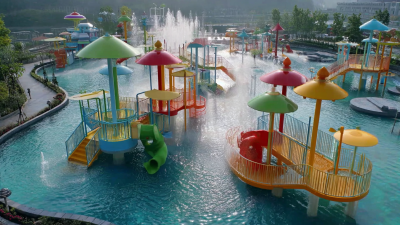
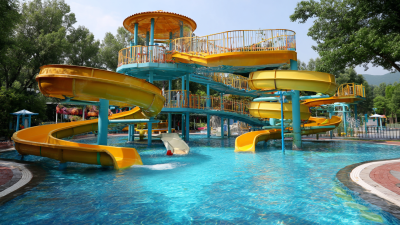
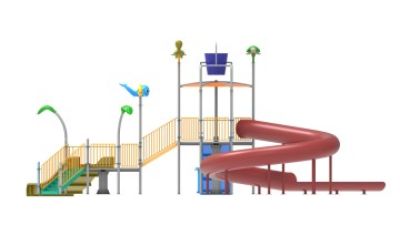
Creating a fun and successful water park isn't just about throwing together rides and pools — it’s about really understanding what visitors want. You want to include attractions that appeal to families, thrill-seekers, and everyone in between. Think high-quality slides, wave pools, and dedicated play areas for kids — these are must-haves if you want to draw a crowd. Plus, adding some unique features can really make your park stand out. For instance, an Indoor Water park not only extends the season but also makes visitors more comfortable, no matter the weather.
The way you lay out everything really matters when it comes to keeping the flow smooth and ensuring safety. A smart layout can help prevent overcrowding and give plenty of space for folks to just relax and enjoy. Bringing in some landscaping and shady spots can also make the atmosphere more inviting. But, of course, balancing what looks good and what’s affordable isn’t always a walk in the park. Sometimes it’s tricky to maximize space without cutting corners on safety, so you’ve gotta keep reviewing and tweaking your plans as needed.
At the end of the day, your water park needs to connect with your audience — listening to their feedback, doing your market research, and constantly refining what you offer. Staying flexible means you can jump on new trends and add fresh ideas, making your park feel exciting and relevant. When all’s said and done, a well-designed water park isn’t just about rides — it’s about creating memories that visitors carry with them long after they leave. That’s what really makes it special.
Understanding Target Audience Preferences for Water Parks
Understanding the target audience is crucial when designing a Water Park or Water Theme Park. Families often seek attractions that cater to various ages. Younger kids love Splash Pads with gentle water features. Meanwhile, teens gravitate toward thrill rides and wave pools. These key preferences help shape the core offerings of the park.
Moreover, safety is paramount. Parents prioritize areas where their children can play without worry. Lifeguard presence and clear signage enhance visitor comfort. Facilities like family restrooms and shaded relaxation areas also reflect a visitor-centric approach. Observing visitor behaviors through surveys can yield insightful data. This feedback loop should inform ongoing designs.
It's essential to remember that visitor preferences can change over time. Seasonal trends may shift based on weather or emerging trends in entertainment. Creating a flexible layout with adaptable attractions can address these shifts. Nevertheless, balancing novelty with timeless elements is often a challenge. Each attraction must resonate with a diverse audience, inviting return visits while keeping safety at the forefront.
Visitor Preferences for Water Park Attractions
Incorporating Unique and Innovative Attractions to Stand Out
Designing a water park that attracts visitors requires innovative attractions. Unique features can significantly enhance the user experience and boost attendance. According to a recent report by the International Association of Amusement Parks and Attractions, unique rides can increase visitor numbers by 20-30%. Integrating these attractions is crucial for standing out in a competitive market.
One effective approach is to incorporate themed areas. For instance, creating sections that reflect tropical rainforests or ancient civilizations can captivate guests. Interactive elements, like splash pads or water play zones, can engage families and children, encouraging longer stays. In a survey conducted by Water Park Association, 68% of families indicated that engaging attractions are a primary factor in choosing a water park.
Tip: Focus on diverse attractions to appeal to all age groups. Consider incorporating features like lazy rivers and high-speed slides. Offering unique experiences, such as virtual reality water rides, can also draw crowds. Reflect on seasonal events to keep content fresh, but ensure the offerings stay relevant.
Designing unforgettable experiences is essential. Monitoring visitor feedback can help identify areas that need improvement. Adapting attractions based on popularity and technological advancements creates a dynamic environment for visitors. Embracing change can keep your water park ahead of the curve, fostering repeat visits.
Designing Safe and Family-Friendly Facilities and Infrastructure
Designing safe and family-friendly facilities in a water park is vital. Parents need reassurance when letting their children explore. Start with shallow areas for toddlers. Design these zones with gentle slides and soft play equipment. Safety signage should be clear and bilingual. Life jackets must be available for younger guests.
Infrastructure plays a crucial role in safety. Ensure pathways are slip-resistant and well-lit. Provide ample shaded areas to protect visitors from sunburn. Restrooms should be close and accessible, maintaining high cleanliness standards. Regular inspections of equipment and water quality are essential.
Incorporating feedback from families can lead to improvements. Request input on safety features. Many may desire additional lifeguards in busy areas. Visitor experiences can vary widely, highlighting the need for ongoing assessments and adjustments. Listening to guests can help create a haven for all ages, fostering a sense of community.
How to Design a Water Park that Attracts Visitors?
| Feature | Importance | Safety Considerations | Family-Friendly Amenities |
| Wave Pools | High | Depth markers, lifeguards present | Shallow areas for kids |
| Water Slides | Very High | Height restrictions, soft landings | Family-sized slides |
| Lazy Rivers | Medium | Slow current, barriers | Floating devices available |
| Children's Play Areas | High | Soft surfaces, age-appropriate structures | Interactive water features |
| Rest Areas | Medium | Designated safe zones | Shade, seating, and snack options |
Creating Thematic Areas to Enhance Guest Experiences
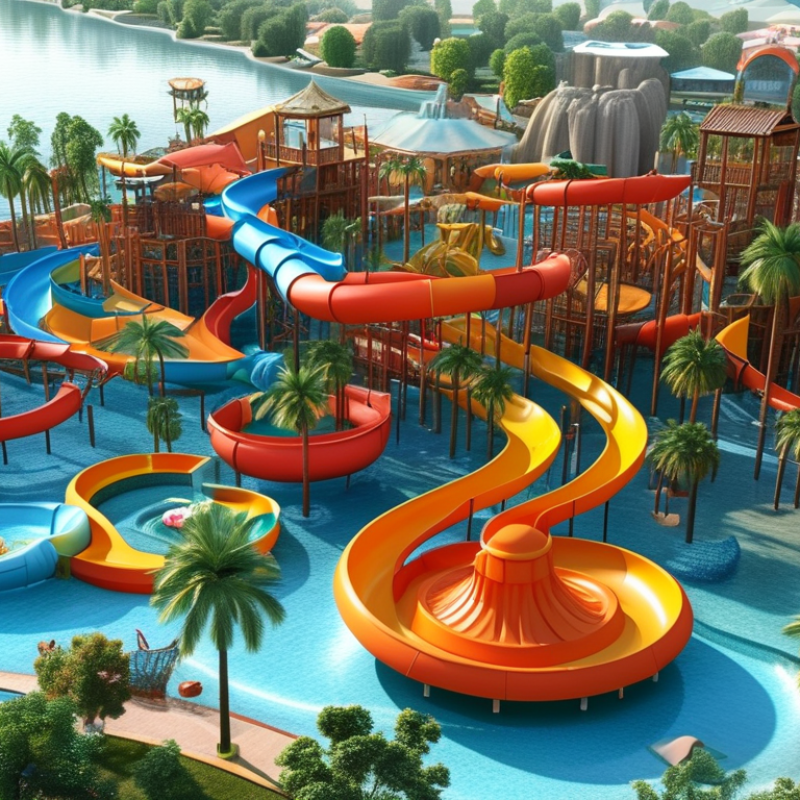
Designing a water park that stands out requires careful planning. Thematic areas can significantly enhance guest experiences. Each section should reflect a unique theme, creating distinct atmospheres. For example, a tropical paradise can include lush greenery and sandy beaches. Adding interactive elements like splash pads makes the experience engaging for all ages.
Tips: Design areas that cater to diverse interests. Include adventure zones for thrill-seekers and relaxation zones for families. Consider a Water Park With Amusement Park concept to incorporate rides and attractions for varied preferences.
To create a captivating environment, sensory experiences matter. Use bright colors and vibrant signage to grab attention. Sounds of splashing water and music can enrich the atmosphere. Guests often remember details. Therefore, each element should fit into the overall theme, yet be enjoyable individually. Reassess feedback regularly to improve areas that may not resonate as expected.
Implementing Sustainable Practices in Water Park Design
Creating a sustainable water park requires careful consideration of various environmental factors. Designing efficient water systems is essential. Implementing features like rainwater harvesting can significantly reduce water consumption. Additionally, using high-quality Aqua Park Water Park Equipment with energy-efficient technologies can lower operational costs while minimizing environmental impact.
Incorporating native landscaping and natural filtration systems can enhance biodiversity. These designs not only provide aesthetic value but also create habitats for local wildlife. Visitors often appreciate parks that reflect local ecosystems. However, balancing aesthetics with functionality can present challenges.
Regular assessments are vital for sustainability practices. While a park may initially implement eco-friendly solutions, effectiveness should be continuously monitored. Areas needing improvement can become apparent in these evaluations. Sustainable water parks should not only focus on immediate attractions but also on the long-term health of the environment.
Marketing Strategies to Promote the Water Park Effectively
Marketing a water park effectively involves knowing your audience and using data-driven strategies. According to a report from the International Association of Amusement Parks and Attractions (IAAPA), 70% of visitors prioritize unique attractions. Incorporating thrilling rides and engaging experiences can draw these visitors in. Effective social media campaigns showcasing fun moments can also resonate well with potential guests. In fact, studies show that 60% of individuals rely on social media for recommendations.
Engagement in community events can elevate the park's profile. Local partnerships can enhance visibility while building valuable relationships. Research indicates that hosting events increases foot traffic by up to 30%. Water parks can also consider seasonal promotions. Offering discounts during off-peak times can attract budget-conscious families. Strategic marketing tends to amplify success over time, fostering brand loyalty in the process.
Creating personalized experiences can set a water park apart. Data shows that 83% of visitors appreciate tailored offerings. A focus on customer feedback can refine experiences and improve satisfaction. However, there’s also a fine line; overly commercialized efforts can alienate loyal customers. Balancing attraction with authentic enjoyment remains crucial. Finding this equilibrium may require ongoing adjustments based on visitor responses.
Enhancing Visitor Engagement Through Technology and Events
Creating a vibrant water park goes beyond thrilling slides and lazy rivers. Technology can significantly enhance visitor engagement. For instance, implementing a mobile app allows guests to access real-time information. They can find wait times for attractions and order food without long lines. This convenience encourages more visitors to stay longer and enjoy the park.
Events play a crucial role in attracting crowds. Hosting themed nights or seasonal festivals fosters a sense of community. Families will flock to events that offer special activities or celebrity meet-and-greets. Incorporating live music or interactive shows can provide unique entertainment. However, it's essential to assess visitor feedback after each event. Understanding what worked well and what didn’t can guide future planning.
A water park's success often hinges on its ability to adapt. Keeping up with industry trends and visitor preferences is vital. Engaging with guests through surveys or social media can unveil valuable insights. Implementing changes based on this feedback, even when it's challenging, showcases a commitment to improvement. Balancing innovation with traditional amusement will ensure that visitors continue to choose the park for their leisure time.
Transforming Fun with High-Quality Ocean Series Water Slides: A Guide to FRP Slide Manufacturing for Summer Thrills
Transforming summer fun with high-quality ocean series water slides is an exciting opportunity to immerse oneself in the aquatic world. Our water slides are specifically designed with marine animals in mind, bringing the beauty of the ocean to life right in your backyard or water park. Crafted from premium fiberglass, these slides boast durability and longevity, ensuring that they can withstand the wear and tear of enthusiastic use during hot summer days.
The exquisite craftsmanship that goes into every slide captures the essence of marine life, allowing users to enjoy a captivating experience that mirrors the tranquility of the ocean. Each slide is meticulously designed with attention to detail, harmoniously combining aesthetics and functionality. The high standards adhered to in the production process guarantee not only superior quality but also an engaging and safe environment for all users.
When combined with stunning marine animal designs, our fiberglass slides create a seamless attraction that transports adventurers into a serene underwater realm. The result is a delightful fusion of enjoyment and beauty, perfect for those hot summer days. Whether designed for families, children, or aquatic enthusiasts, these water slides promise thrills and a refreshing escape, making them an essential addition to any water adventure.
FAQS
: Families prefer attractions that cater to various ages. Younger kids enjoy gentle splash pads, while teens seek thrill rides.
Safety is crucial for parents. They prefer areas where kids can play safely, with lifeguards and clear signage.
Surveys and feedback can provide insights. This data should inform design changes to improve visitor experiences over time.
Unique rides can increase attendance by 20-30%. Engaging features draw in families and encourage longer stays.
Thematic areas create distinct atmospheres. Lush tropical sections or historical themes engage guests and cater to different interests.
Visitor preferences change. Monitoring trends helps keep attractions relevant and appealing, ensuring repeat visits.
A mix of thrill rides, lazy rivers, and interactive zones can cater to all age groups and interests.
Bright colors, vibrant sounds, and engaging signage create lasting impressions. Each detail should match the overall theme.
Balancing novelty with timeless attractions can be difficult. It's important to create a flexible layout that adapts to changing trends.
Seasonal events can keep content fresh and relevant, attracting diverse crowds while encouraging repeat visits throughout the year.
Conclusion
Effective Water Park Design requires a comprehensive understanding of the target audience's preferences to create attractions that resonate with visitors. Incorporating unique and innovative features can set a water park apart from competitors, while creating thematic areas enhances the overall guest experience. Safety and family-friendly facilities are crucial to ensure that all guests feel secure and welcome.
Additionally, implementing sustainable practices in water park design not only benefits the environment but also appeals to eco-conscious visitors. Marketing strategies play a vital role in promoting the park, alongside using technology and engaging events to foster visitor interaction. By addressing these key elements, a water park can attract and retain a diverse audience, ensuring a successful and enjoyable experience for all.