Planning a water-themed project? Picking the right Water Park Playground equipment is pretty important if you want kids to have a blast — and stay safe, of course. AtLeisure Playground Toys (Shanghai) Co., Ltd., we've been in the kids’ playground game for nearly 20 years. We totally get how crucial creative design and top-notch qualityare. Since we started back in 2008, our thing has been crafting custom splash pads and Water Play structures that not only tick all the safety boxes but also spark kids’ imaginations. In this blog, I’m going to break down different types of water park playground gear, so you can make smarter choices for your next build. Whether you're sprucing up a community park or putting together a private water play zone, I’ve got some tips to help you pick options that guaranteeendless fun for kids of all ages.
Identifying Key Features of Water Park Playground Equipment
When you're picking out water park playground equipment, it's super important to focus on the key features that make the whole experience safe and fun for the kiddos. First off, safety should always come first — no exceptions. You wanna look for stuff made from sturdy, non-toxic materials that can handle the weather, rough play, and all that jazz. Things like rounded edges, non-slip surfaces, and secure railings are crucial—they help prevent accidents and keep the little ones safe while they’re having a blast.
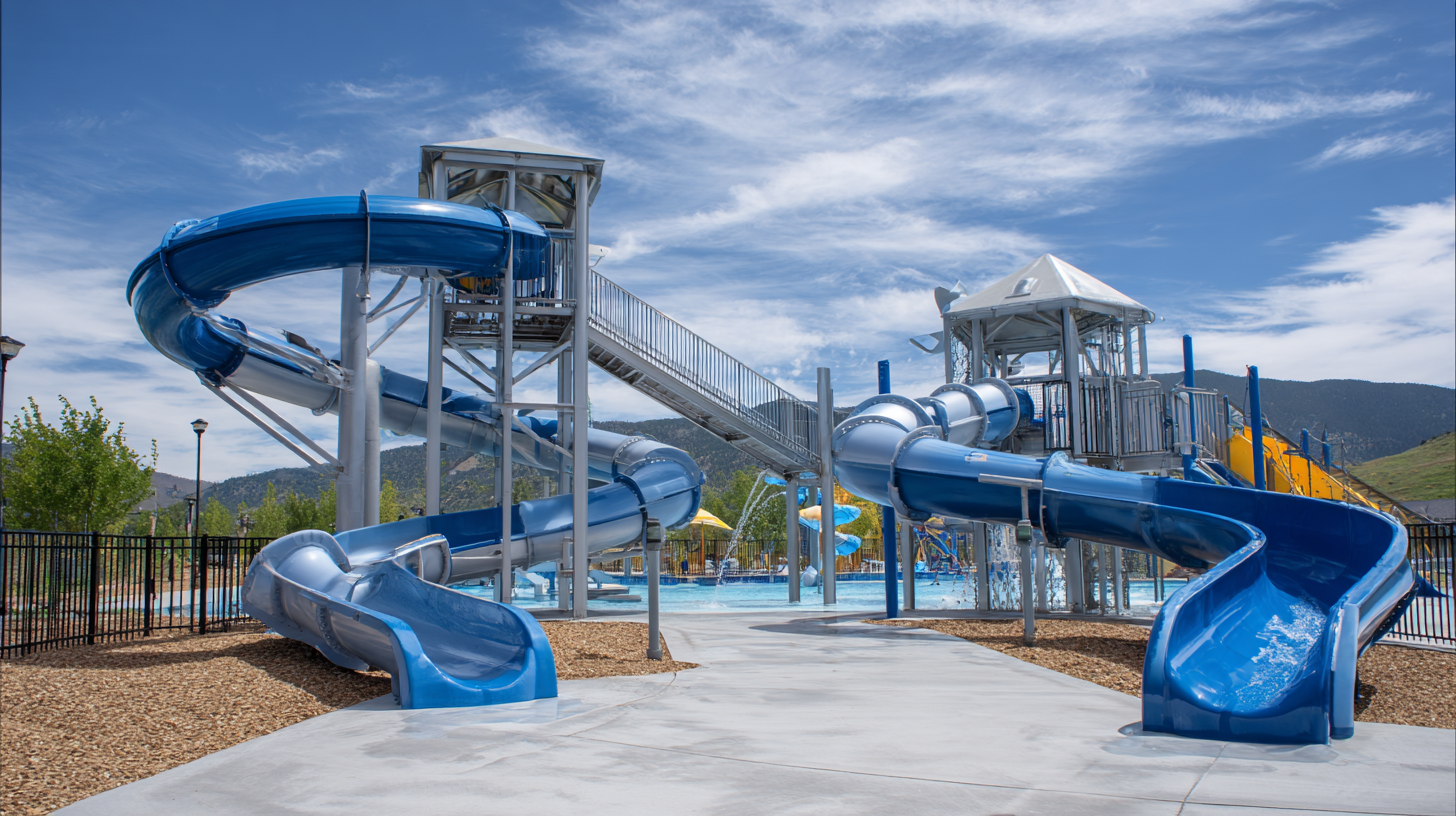
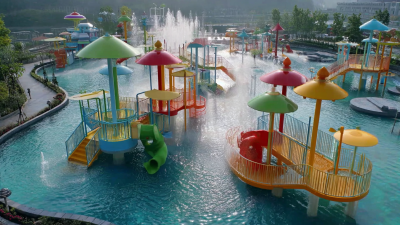
Plus, it’s a good idea to pick equipment that offers a variety of play options. Think slides, splash pads, climbing frames — you get the idea. Having different water features keeps kids of all ages entertained and engaged. And don’t forget about fun extras like water cannons and sprayers—they not only add excitement but also promote socializing and teamwork among kids.
Oh, and it’s smart to go for equipment that’s easy to maintain; that way, you can keep the water park clean and safe without too much hassle all season long. If you focus on these key points, you’ll end up with a lively, safe water playground that families will love, and where kids can enjoy hours of fun.
Safety Standards: Ensuring a Secure Environment for Children
When you're choosing water park playground equipment for your next project, really putting safety first is key — you want to create a space where kids can explore and have fun without constantly worrying about safety issues. At Leisure Playground Toys (Shanghai) Co., Ltd., we totally get that. Kids should be able to play freely and safely, and that’s why all our products are crafted with top-notch safety in mind. From using non-toxic materials to designing with rounded edges, we make sure everything—from splash pads to water play structures—offers a fun, secure environment where kids can splash around and enjoy themselves.
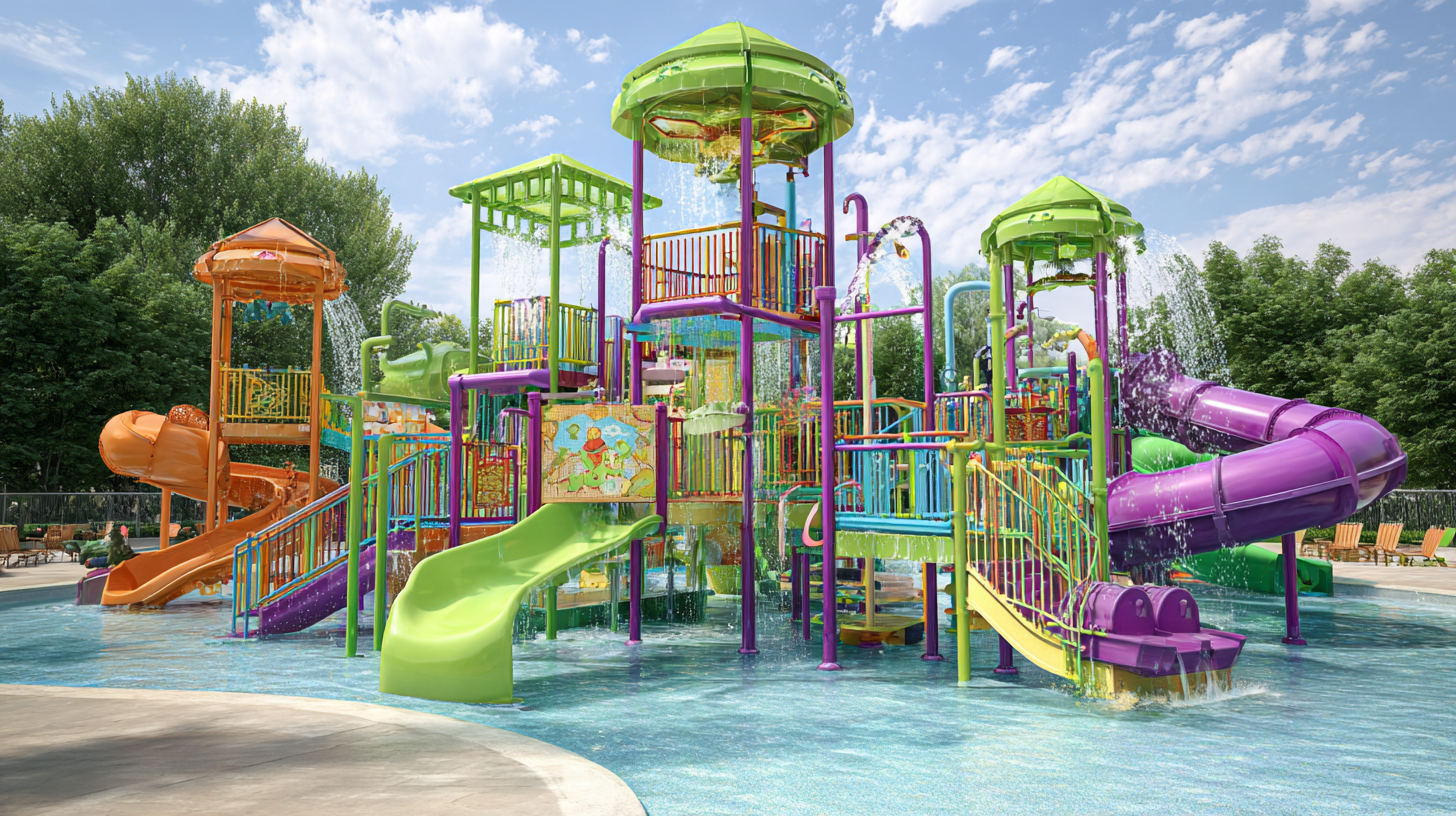
With more than 20 years under our belt in the kids’ playground world, we've learned that safety and innovative design go hand-in-hand. Our custom splash pads and playground gear are not just fun—they actually meet and often exceed local safety standards. This focus on quality doesn’t just make the playground better; it helps build trust with parents and caregivers, who can relax knowing their kids are in good hands while they enjoy some creative water play. By keeping safety at the heart of what we do, we create playground environments where kids can have a blast, explore fearlessly, and make those unforgettable memories.
Design Considerations: Maximizing Fun and Functionality
When you're designing a water park playground, it’s super important to focus on making it both fun and functional. After all, the goal is to create a space that kids and families will love and want to come back to. One key thing to think about is how you lay out the equipment. Placing slides, splash pads, and play structures thoughtfully helps keep the flow natural—folks won’t be bumping into each other, and parents will find it easier to supervise their kids. You also want to use the space wisely—balancing exciting attractions with safe spots where parents can kick back and relax while keeping an eye on their little ones.
Offering a mix of equipment means there’s something for everyone, no matter your age or skill level. For the little ones, shallow splash areas are perfect—they’re safe and fun. Older kids? They’ll love climbing structures and those big, adrenaline-pumping slides. Plus, adding sensory features like interactive water touches or textured surfaces can make the experience even more engaging and help kids develop cognitively. At the end of the day, by thinking about both fun and safety in your design, you can create a water park that’s inviting, enjoyable, and keeps people coming back for more.
Finding the Right Materials for Durability and Maintenance
When you're picking out playground equipment for a water park, the materials you choose really matter. They need to be tough enough to handle constant exposure to water and changing temperatures — otherwise, things could wear out pretty quickly. It’s super important to go for materials that won’t rust, rot, or fade over time. For example, stainless steel and high-density polyethylene (HDPE) are usually great options because they can stand up to moisture while staying strong and reliable for years.
And don’t forget about maintenance — it’s a huge part of making sure everything stays in good shape. Picking materials that are easy to clean can save you a lot of headaches and cash down the line. Non-porous surfaces help prevent mold and algae from piling up, keeping the play areas safe and hygienic. Also, equipment with smooth finishes dries faster and reduces slipping risks, which is definitely a win for safety. Basically, by choosing the right materials, you can keep your water park durable and low-maintenance, all while making sure everyone, especially kids and their families, has a fun and safe experience.
Choosing the Best Water Park Playground Equipment
Budgeting Tips: Balancing Quality and Cost for Your Project
Starting a new project, especially when it’s about building a water park, can feel pretty overwhelming — and let’s be honest, nailing the budget is key to making sure everything comes together without costing a fortune. The first step is to get a solid handle on what goes into choosing all that playground gear. Things like how complex the equipment is, the quality of the materials, safety features, and how tricky it is to install — all those details really add up and affect your total costs. If you’re able to estimate these parts accurately, you’re way less likely to end up with budget surprises that could mess up the whole project.
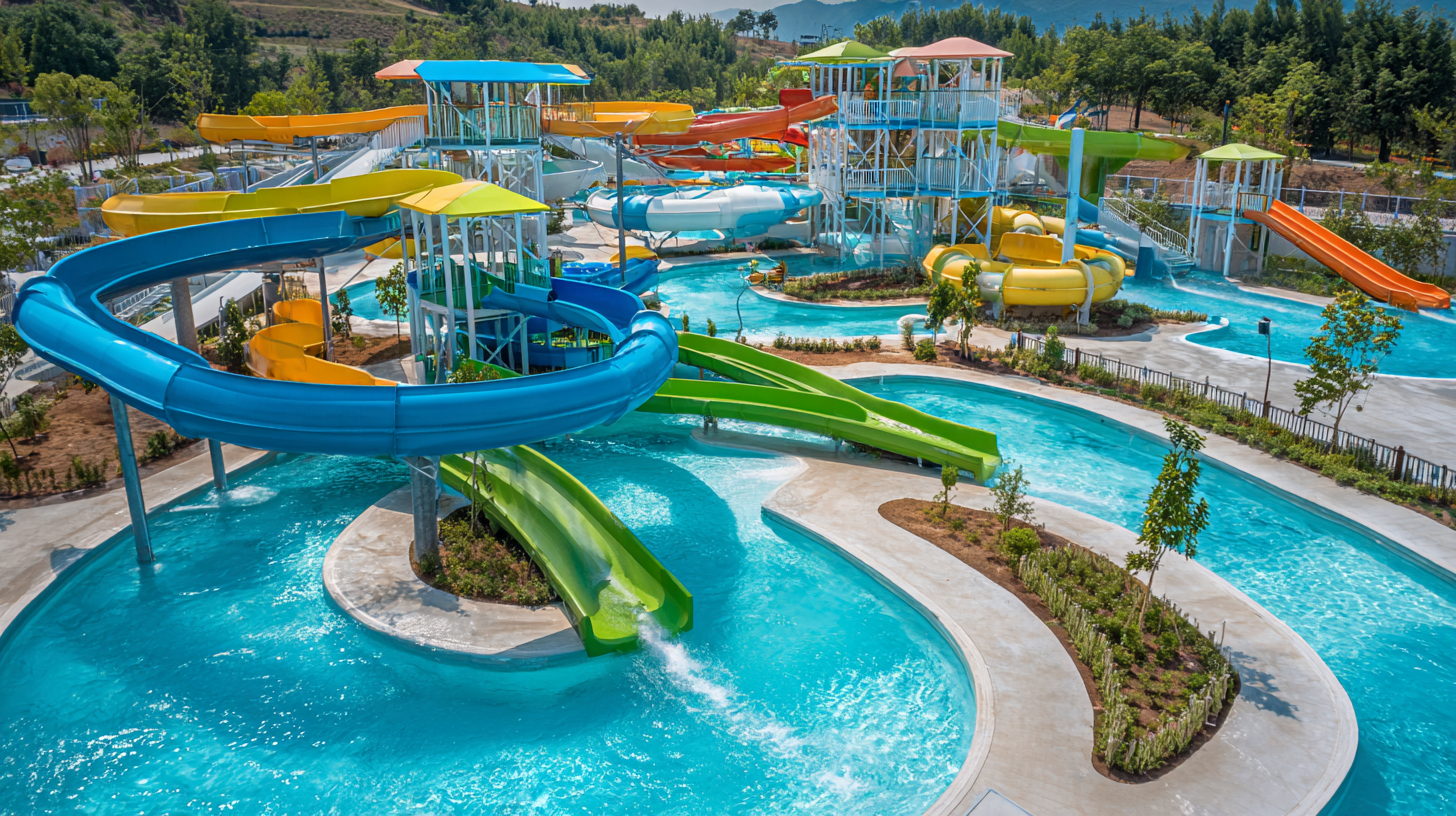
To keep your budget on track, I’d suggest a few strategies that really work. First off, set a clear scope from the get-go so you won’t fall into the trap of scope creep — you know, those little changes that sneak in and wind up costing a lot more. Next, focus on the must-haves instead of including a bunch of nice-to-haves; it helps keep things realistic and prevents unnecessary spending. Using a phased approach can also be a lifesaver — it lets you make tweaks along the way instead of rushing to finish everything at once. Plus, don’t forget to set aside some contingency funds for those unexpected expenses that always seem to pop up.
Keep a close eye on your costs, and try to work with suppliers who’ve got some experience — they often provide great tips for saving money in the long run. If you follow these tips, you’ll be able to strike a good balance between getting high-quality equipment and sticking to your budget, making your water park both fun and financially manageable in the end.
Incorporating Themed Elements for Enhanced Visitor Experience
When you're designing water park playgrounds, adding themed elements really can give the whole experience a big boost. From what I've seen in industry data, attractions with cool themes can bump up visitor engagement by as much as 30%. That usually means folks stick around longer and might spend a bit more, which is great for everyone. If you choose themes that click with your audience—think tropical islands, underwater adventures, or even mythical creatures—you’re creating a space that totally pulls people in. And the best part? It makes visitors want to come back for more.
A little tip: teaming up with local artists can be a game-changer. They can help craft unique designs that reflect the area's culture and history—making your park feel more special and connected to the community.
Now, let’s talk about queues—no one likes waiting forever! Research shows that long wait times can cut visitor satisfaction by about half. So, setting up a fast pass system where guests can reserve their spot beforehand is a real lifesaver. It cuts down on those long lines and helps everyone have a good time.
Another handy tip: use technology to keep visitors in the know. Things like real-time updates on wait times and attraction availability through a mobile app can make a huge difference. It helps guests plan their day better and steer clear of overcrowded spots. When you combine fun themes with smooth operations, you’ve got a recipe for a really successful water park.
All in all, blending engaging themes with smart management is what makes a water park stand out and keeps visitors coming back for more.
Enhancing Child Development: The Impact of Budget-Friendly Customized Playground Equipment on Early Childhood Growth and Learning
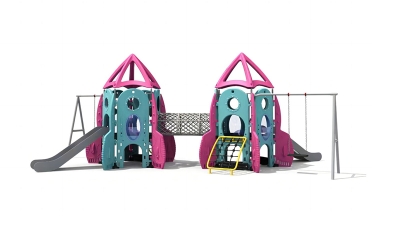
In early childhood, play is a crucial aspect of development, fostering growth in both physical and cognitive areas. The right playground equipment can significantly impact a child's learning experiences, and that’s where the Rocket Series comes into play. This budget-friendly, customizable amusement equipment is designed to cater specifically to the needs of young learners, promoting not only physical activity but also imaginative play that is essential for cognitive development.
What sets the Rocket Series apart is its versatility. Designed to accommodate various sizes and project requirements, it offers the flexibility that many institutions seek. Whether you're looking to create a vibrant play space for toddlers or an adventurous area for preschoolers, the options are tailored based on age, budget, and location. The ability to customize designs means that schools and communities can create an inviting environment that encourages children to explore, socialize, and learn through play. Additionally, the ease of assembly and parts replacement allows for unique design styles and makes it easier to adapt the playground to evolving needs.
Investing in a customized playground equipped with the Rocket Series enhances learning and promotes a healthy lifestyle. The thoughtfully designed equipment not only meets children where they are developmentally but also inspires them to reach new heights in their growth and learning journey. By integrating such affordable and adaptable playground solutions, communities can create safe, engaging environments that nurture the growth of every child.
FAQS
: Safety should always be the primary consideration, with features like durable, non-toxic materials, rounded edges, non-slip surfaces, and secure railings being critical to prevent accidents.
It's important to include a variety of play options such as slides, splash pads, and climbing structures, as well as interactive features like water cannons and sprayers to enhance the play experience and promote social interaction among children.
The choice of materials is crucial for durability, with options like stainless steel and high-density polyethylene (HDPE) being ideal due to their resistance to rust, rot, and fading, particularly in the harsh water park environment.
Choosing materials that are easy to clean and that have non-porous surfaces helps prevent mold and algae buildup, ensuring a safe and hygienic environment while minimizing long-term upkeep costs.
Project managers can effectively budget by understanding cost factors, establishing a clear scope of work, prioritizing essential features, utilizing a phased approach, maintaining a contingency fund, and tracking costs diligently.
To prevent budget overruns, project managers should prioritize essential features, keep a contingency fund for unexpected expenses, and engage with experienced suppliers for insights on long-term savings.
Equipment that offers engaging elements and a variety of interactions not only makes the park fun but also enhances cooperative play among children, making the overall experience more enjoyable for families.
Equipment with smooth finishes and non-porous surfaces helps promote quick drying and prevents buildup of mold and algae, leading to lower maintenance efforts and a safer play environment.
Installation logistics can significantly affect the overall budget, as complex installations may require more time and resources, thus impacting the total cost of the project.
A phased approach allows for gradual adjustments and refinements during the project's development, helping to stay within budget while adapting to any changes in scope or requirements.