Leave Your Message
- Phone
- E-mail
- Alitalk
- Whatsapp
- Wechat

Picking out Aquatic Play Equipmentisn’t just about tossing in bright slides, Tipping Buckets, and colorful fountains. A really successful water park starts with understanding who’s actually going to be playing there. For little kids, that means shallow, gentle spots they can enjoy safely. Older kids, on the other hand, tend to crave things like height, movement, and surprises around every corner. And parents? Well, they want clear sightlines so they can keep an eye on their kiddos, shaded seating to stay comfy, and surfaces that don’t feel sketchy when they’re wet. As for the operators—those guys need equipment that can handle daily wear and tear, easy cleaning routines, and the changing weather conditions without breaking a sweat.
Rick Root from Waterplay Solutions Corp., a seasoned aquatic designer, sums it up nicely: “The best play space is one that operators can see, maintain, and trust.” That’s a handy guiding principle for this entire guide. When you’re shopping around for suppliers, don’t just look at fancy features. Pay close attention to water flow, drainage, fall zones, available deck space, how easy it is to access pumps, and whether replacement parts are readily available. Sure, a small spray arch might seem pretty minimal, but it can handle quite a few kids at once. Meanwhile, a big tipping bucket packs a punch on excitement, but it also needs a sturdier structure, precise timing, and thoughtful queuing to keep things safe and fun. Bigger isn’t always better, in other words.
Money talks, so it’s worth being honest about your budget. A bargain setup might seem great at first, but it could end up costing a lot more in maintenance, cleaning headaches, or parts that are impossible to find down the line. On the flip side, a fancy feature might not work well if it doesn’t match the age range of your park visitors. Even experienced teams can overlook subtle details—like glare near a pool’s edge or confusing flow around a play tower—that can make a big difference in safety and enjoyment.
This article is all about helping you compare Aquatic Play Equipment not just based on looks or price, but through real-world experience, technical know-how, reliable suppliers, and the value it will bring in the long run. The goal isn’t about creating a perfect, flawless design—trust me, that’s pretty much impossible. Instead, it’s about building a safer, clearer, and more fun environment that keeps getting better after every season.
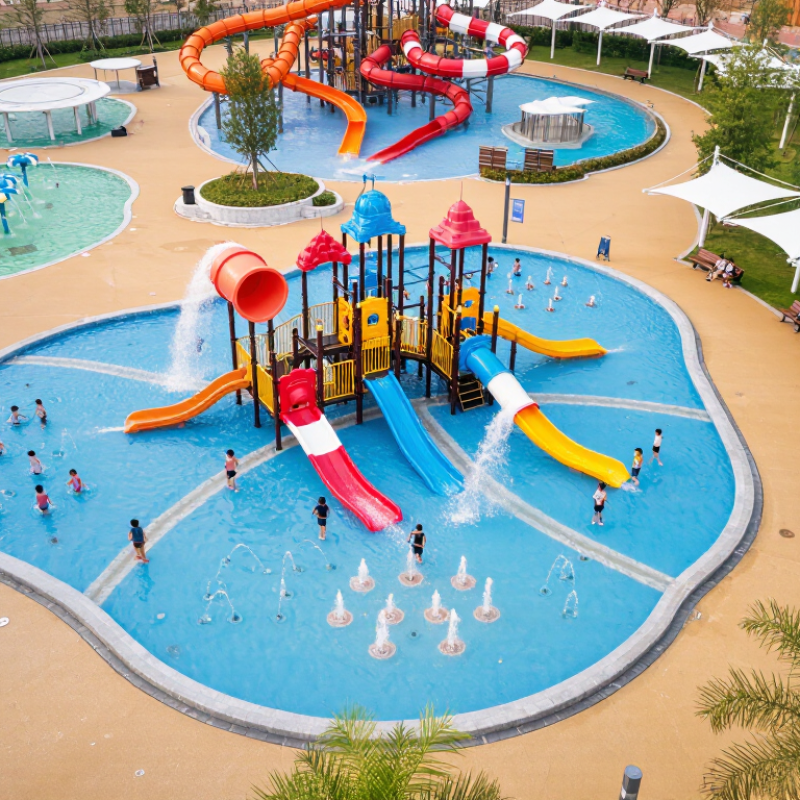
Before choosing aquatic play equipment, define what your water park should achieve. Is the goal longer family visits, higher guest satisfaction, or better use of unused space? A family resort may prioritize gentle interaction and comfortable seating. A community facility may need durable equipment for heavy daily use. Write these goals clearly. Keep them measurable.
Then study your target visitors. Consider age, height, swimming confidence, mobility, and sensory needs. Toddlers need shallow water, low-pressure sprays, and clear supervision. Older children often prefer climbing elements, tipping buckets, and faster water movement. Parents usually value shade, seating, and short walking distances. Watch real behavior. A parent pushing a stroller may avoid crowded entrances. A child may leave a noisy feature within seconds. These details can challenge your original assumptions.
Use this information to compare capacity, maintenance, water consumption, visibility, and cleaning access. Fun Aquatic Play should support the visitor experience, not simply fill available space. Place quieter features near seating and active zones where staff can observe them easily. Consult qualified aquatic designers and maintenance professionals before approval. Request flow rates, material information, inspection needs, and expected service life. Check accessibility requirements and local safety standards. A bright feature may attract attention, yet poor sightlines can create operational problems. That mistake is easy to miss during a showroom visit.
| Primary Goal | Target Visitors | Suitable Equipment | Typical Planning Dimensions | Recommended Water Conditions | Key Design Priorities | Useful Success Measures |
|---|---|---|---|---|---|---|
| Early-childhood sensory play | Children aged 1–5 with parents or caregivers | Ground sprays, gentle bubblers, low spillways, water tables and interactive spray arches | Activity zone: 100–250 m² Play features: 0.15–1.20 m high Clear circulation path: at least 1.20 m wide | Zero-depth or very shallow wet deck; avoid abrupt level changes; provide slip-resistant surfaces | Constant caregiver sightlines, soft spray pressure, shaded seating and accessible entry points | Average dwell time, repeat visits, caregiver satisfaction and percentage of shaded seating occupied |
| Active family engagement | Families with children aged 4–10 | Multi-level play towers, tipping buckets, spray cannons, water curtains and small slides | Activity zone: 300–800 m² Platform height: 1.50–4.00 m Recommended clear queue width: at least 1.20 m | Shallow splash basin or zero-depth landing areas; separate high-flow discharge zones from walking routes | Visible exits, age-appropriate slide selection, anti-entrapment detailing and controlled water discharge | Hourly participation, queue time, equipment uptime and incidents per 10,000 visits |
| Independent play for older children | Children aged 8–14 who can follow instructions independently | Racing slides, higher spray structures, water cannons, climbing nets and timed interactive games | Activity zone: 400–1,000 m² Platform height: 3.00–8.00 m Separate age or height zones where required | Dedicated run-outs or landing areas designed according to the selected attraction and applicable local regulations | Clear height or age rules, adequate run-out space, non-slip stairs and direct supervision by trained attendants | Throughput per hour, average queue duration, repeat-use rate and maintenance downtime |
| Inclusive aquatic recreation | Visitors with mobility, sensory or developmental needs, plus mixed-age groups | Zero-depth spray features, transfer-friendly play elements, accessible water tables and low-sensory zones | Accessible route: at least 1.20 m clear width where practicable Turning space: about 1.50 m diameter Feature controls: reachable from seated and standing positions | Level wet deck with gradual transitions; provide low-intensity spray options and quiet areas away from high-flow features | Accessible routes, contrasting colors, tactile warnings, resting areas and easy-to-operate controls | Accessibility audit results, participation by visitors requiring assistance and user feedback on independence |
| High visitor throughput | Large mixed-age groups during weekends, holidays and school breaks | Multiple-lane spray zones, repeat-use water games, open-access play decks and short-cycle attractions | Design the zone from projected peak load; provide multiple entry and exit points and avoid single narrow bottlenecks | Separate wet play, queueing and walking surfaces; size drainage and filtration systems for the calculated bather load | Fast circulation, durable finishes, easy cleaning access, visible rules and efficient water recovery | Visitors per operating hour, peak queue length, drainage performance and cleaning time per operating day |
| Low operating cost and water conservation | Parks seeking predictable utility use and simplified maintenance | Timed sprays, low-flow nozzles, recirculating water features and modular components | Use equipment schedules, flow rates and operating hours to calculate daily demand; install isolation valves for each zone | Recirculating systems require filtration, disinfection, turnover and water-quality monitoring in accordance with local health rules | Flow control, accessible filters, leak detection, automatic shutoff and straightforward winterization procedures | Liters of make-up water per visitor, energy use per operating hour, repair frequency and annual maintenance cost |
| Extended seasonal operation | Visitors in regions with variable weather or shoulder-season demand | Heated shallow play areas, covered spray decks, adjustable water features and weather-flexible activity zones | Provide covered or shaded space sized for expected occupancy; maintain clear separation between sheltered seating and wet circulation | Confirm heating capacity, evaporation control, ventilation and local requirements for water temperature and air temperature | Thermal comfort, weather protection, safe surface temperatures and rapid shutdown during lightning or severe weather | Operating days gained, attendance on cool days, energy consumption and weather-related closure hours |
Planning note: Dimensions and operating ranges are preliminary industry planning benchmarks, not construction specifications. Final equipment selection, water depth, flow rate, circulation capacity, accessibility provisions and safety clearances must be verified against the applicable building, health, accessibility and aquatic-facility regulations in the project location.
Choose shallow, warm-water areas with broad steps and low-pressure features. Rounded edges and clear sightlines help caregivers stay nearby. Simple sprayers work well. Predictable movement matters more than speed.
Small slides, tipping buckets, crawl tunnels, and waist-deep structures offer manageable challenges. Add handrails where wet feet may slip. Separate faster routes from quieter zones. Swimming ability does not prove climbing confidence.
Longer slides, climbing nets, water basketball, and current channels can support height and social play. Match depth, flow, exits, and capacity to tested operating conditions. Supervision must remain practical. Excitement needs boundaries.
Ask for current test reports, load ratings, slip-resistance data, and installation instructions. Check rounded edges, guarded pinch points, and activity-specific water depths. Watch real users approach ladders and platforms. Drawings can miss awkward hazards.
Select materials that resist moisture, disinfectants, sunlight, and heavy use. Marine-grade metals, UV-stable plastics, and sealed fasteners can reduce corrosion and staining. Inspect joints, coatings, anchors, and drains weekly. Durable is not forever.
Provide transfer areas, stable handrails, clear circulation space, varied water heights, and reachable controls. Add tactile and visual cues. Keep access routes free from hoses and storage. Ask disabled visitors to test them; staff assumptions may fail.
Check anchor points, surfaces, drains, water quality, and visible damage. Review queue congestion and exit areas during busy periods. Capacity should match actual operating conditions. A quick glance is insufficient.
Observe real users during crowded periods, then adjust queues, signs, or access limits. Keep records of inspections, repairs, water tests, and staff training. Replacement parts should remain available. Some decisions will need revision.
Choosing the right Aquatic Play Equipment begins with a clear understanding of your water park’s goals and target visitors. Consider whether you want to encourage family interaction, support active play, or create a relaxing experience. Review the available space, water depth, drainage, climate, and other site conditions before selecting equipment. Features should match different age groups, physical abilities, swimming skills, and supervision needs so every visitor can enjoy the area comfortably.
Safety, durable materials, accessibility, and compliance with relevant standards should guide every purchasing decision. It is also important to compare installation methods, inspection schedules, cleaning needs, replacement parts, staffing, and daily operating requirements. Finally, prepare a realistic budget that includes construction, installation, maintenance, and future upgrades. A well-planned layout should balance visitor capacity, visibility, circulation, and emergency access while leaving enough flexibility for expansion as attendance and visitor expectations grow.