Lately, splash pads have really taken off as a popular feature for backyard setups. They're a hit because they're not only super fun but also a safe way for kids to cool down and play during the hot months. If you’ve been thinking about adding one, you're not alone—according to the folks over at the National Association of Amusement Parks and Attractions (or IAAPA), The Splash pad scene has been growing around 10% each year. Seems like more families are searching for budget-friendly alternatives to traditional pools, right? It really shows how much people want outdoor water spots that are not just entertaining but also encourage kids to stay active outside.
One expert, Dr. Michael Thompson, who knows quite a bit about Water Play safety, mentions, “With the right splash pad, kids can have a blast while staying safe,” which totally rings true. When folks are considering putting one in their backyard, it’s important to think about things like the design, safety features, and what kind of maintenance it’ll need. Doing a bit of homework on these details can really help you make the most of your investment and create a fun, healthy environment for the kids.
Nowadays, with so many options out there, understanding what’s important when choosing a splash pad is more crucial than ever. The right one can totally transform an average backyard into a lively, joyful play zone—bringing out kids’ creativity and giggles—while giving parents some peace of mind too.
Choosing the Right Location for Your Splash Pad in the Backyard
When considering the installation of a splash pad in your backyard, the location is crucial to maximizing enjoyment and functionality. According to the American Society of Landscape Architects, choosing an open space that is accessible yet separated from conflicting uses—like play areas or gardens—can enhance the experience for all users. Ideally, the splash pad should be placed on a level surface with good drainage, as this prevents pooling water and potential hazards. Research indicates that over 60% of injuries associated with backyard water features come from slips and falls, reinforcing the importance of selecting a safe and stable site.
Additionally, proximity to amenities is an essential factor. Having the splash pad near patio furniture, grills, or restrooms can significantly improve convenience and promote longer playtime. A study from the National Recreation and Park Association suggests that strategically placing backyard water features within sightlines of parental supervision areas increases usage rates by more than 40%. Furthermore, consider the sun's position and prevailing wind when locating a splash pad; optimal exposure to sunlight can keep the area warm and enjoyable, while adequate wind protection ensures a comfortable environment for children and families alike.
Understanding Different Types of Splash Pads Available on the Market
When choosing the best splash pad for your backyard fun, it's essential to understand the various types available on the market. Splash pads can be broadly categorized into two main types: inflatables and permanent installations. Inflatable splash pads are popular for their portability and ease of setup. They are typically made from durable materials that can withstand punctures and abrasions, making them a great option for occasional use. These splash pads usually come with built-in water fountains and sprayers that can be adjusted to different heights and intensities, providing customizable enjoyment for children of all ages.
On the other hand, permanent splash pads are designed for long-term use and typically require more investment and planning. These installations are usually made from concrete or rubber and can include various water features such as jets, sprays, and interactive elements that enhance the play experience. Permanent splash pads often blend aesthetically with the backyard landscape, providing a more cohesive outdoor environment. They also tend to require a professional installation, ensuring that safety features comply with local regulations. Whether you opt for an inflatable or permanent splash pad, understanding these options will help you make an informed choice that aligns with your family's needs and backyard space.
Assessing the Size and Space Requirements for Your Splash Pad
When choosing a splash pad for your backyard, assessing the size and space requirements is crucial to ensuring a safe and enjoyable experience for everyone. Start by measuring the available area in your yard. Consider not only the dimensions of the splash pad itself but also the surrounding space needed for kids to run, play, and access the equipment safely. A larger area allows for a more expansive pad, which can accommodate multiple children and incorporate additional features such as water arches or sprinklers.
In addition to the pad size, think about the surface underneath. Grass, concrete, and decking each have different requirements for installation and maintenance. For instance, a soft grassy area can cushion falls but may require more frequent upkeep. On the other hand, a solid surface like concrete provides durability but might need additional safety measures to prevent slips. Lastly, consider any existing landscaping, structures, or obstructions that might affect the layout and functionality of your splash pad. Evaluating all these factors will help you create a versatile and inviting space for family fun in the sun.
Choosing Safe and Durable Materials for Your Splash Pad
When selecting a splash pad for your backyard, prioritizing safe and durable materials is crucial for ensuring both fun and safety. According to a report by the American Society for Testing and Materials (ASTM), splash pads constructed from high-quality, non-toxic materials significantly reduce the risk of injury and chemical exposure for children. Materials such as thermoplastic rubber (TPR) or high-density polyethylene (HDPE) are often recommended due to their resilience and ease of cleaning. Furthermore, these materials can withstand varying weather conditions, thus extending the lifespan of your splash pad.
In addition to durability, it’s vital to consider the slip resistance of the surface. The Consumer Product Safety Commission (CPSC) notes that splash pads should feature surfaces with a coefficient of friction that minimizes slip hazards, particularly when wet. Many manufacturers adhere to guidelines that require a minimum of 0.5 for material slip resistance to prevent accidents. Investing in a splash pad with compliant safety features not only protects children during playtime but also assures parents of a secure environment. Be sure to verify safety certifications and test results to ensure that your chosen materials meet industry standards.
Incorporating Water Features and Accessories for Added Fun
When selecting the perfect splash pad for your backyard, enhancing the experience with various water features and accessories can significantly elevate the fun. Water sprays, fountains, and gentle misting options can add dynamic elements that keep children engaged for hours. Consider incorporating adjustable spray heads that allow for personalized water streams, catering to varying preferences and ages. This variety not only creates an exciting environment but also allows for imaginative play as kids navigate through different water zones.
In addition to water sprays, adding colorful accessories such as inflatable toys and floating games can encourage social interaction and creativity. Items like water buckets, sprinklers, and even slides can transform a simple splash pad into a full-fledged water park experience. To optimize safety and enjoyment, incorporating shaded areas and comfortable seating nearby ensures that both kids and parents can fully enjoy the day while staying protected from the sun. By thoughtfully selecting and integrating these features, your backyard can become a vibrant oasis of fun, making it the go-to spot for summer gatherings and family activities.
Budgeting for Your Backyard Splash Pad Installation
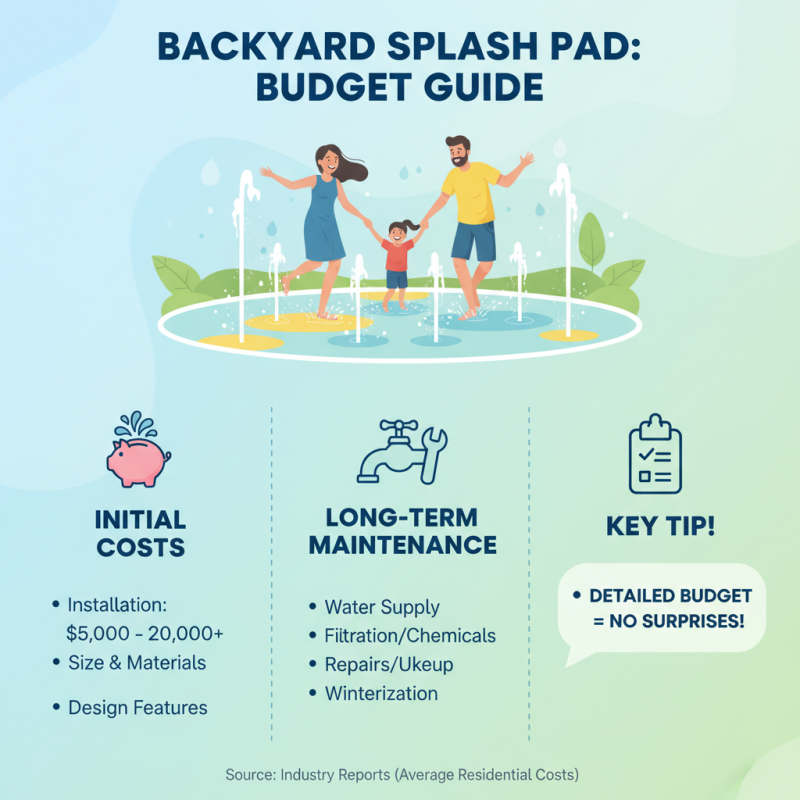
When considering the installation of a splash pad in your backyard, budgeting is a critical step that many homeowners overlook. According to industry reports, the average cost of installing a residential splash pad can range from $5,000 to $20,000, depending on size, materials, and design features. It’s essential to create a detailed budget that factors in not only the initial installation costs but also long-term maintenance, such as water supply and upkeep, which can add up over time.
Tips for budgeting effectively include starting with a clear plan of what you want from your splash pad. This means considering the size and the features you desire, such as water sprays or interactive games, which can significantly impact the cost. Researching local contractors and comparing quotes can also save you money while ensuring you choose a reputable professional. Finally, don’t forget to consider potential additional costs like landscaping, which may be needed to complement your new splash pad.
To maximize your investment, explore financing options and seasonal discounts. Many suppliers offer rebates during off-peak seasons, providing a chance to secure better pricing. Additionally, be aware that in some regions, eco-friendly splash pads that use recycled water may also qualify for tax incentives, helping to ease your overall expenditure. Keeping an eye on these financial aspects ensures your backyard splash pad remains within your budget while providing endless summer fun for your family.
Maintaining and Caring for Your Splash Pad Throughout the Seasons
Maintaining and caring for your splash pad throughout the seasons is crucial to ensure its longevity and safe use for your family. Regular maintenance helps in preventing wear and tear, ensuring that the equipment remains functional and aesthetically pleasing. According to industry reports, a well-maintained splash pad can last up to 10 years or more, depending on the quality of materials used and the care it receives.
To ensure your splash pad stays in top condition, consider implementing a seasonal maintenance schedule. In spring, inspect all equipment for damage and clean surfaces thoroughly to remove any winter debris. During the summer months, regularly check water quality and chemical levels, as higher usage can lead to faster contamination. In the fall, it’s essential to drain the system and prepare your splash pad for winter to avoid any freeze damage. Finally, in winter, cover your splash pad with a weather-resistant tarp to protect it from snow and ice accumulation.
Tips: Always use non-toxic, eco-friendly cleaning solutions to maintain the hygiene of your splash pad while being gentle on the environment. Additionally, investing in a good quality cover for the off-season can save you time and effort during the next maintenance check. Lastly, keep a log of your maintenance tasks, as this will help you understand the equipment's needs over time and catch potential issues early.
FAQS
: There are two main types of splash pads: inflatables and permanent installations. Inflatables are portable and easy to set up, while permanent splash pads are designed for long-term use and require more investment.
Inflatable splash pads are popular for their portability, ease of setup, and durable materials that resist punctures and abrasions. They usually feature built-in water fountains and sprayers for customizable enjoyment.
Permanent splash pads often include various water features such as jets, sprays, and interactive elements. They are made from concrete or rubber and are designed to blend with the backyard landscape for a cohesive outdoor environment.
High-quality, non-toxic materials such as thermoplastic rubber (TPR) and high-density polyethylene (HDPE) are recommended for their durability, safety, and ease of cleaning.
To ensure safety, it's important to choose splash pads with slip-resistant surfaces. Look for materials with a minimum coefficient of friction of 0.5 to minimize slip hazards, especially when wet.
Verifying safety certifications and test results ensures that the chosen splash pad materials meet industry standards, helping to protect children and provide peace of mind for parents during playtime.
Consider factors such as the type of splash pad (inflatable or permanent), the materials used for safety and durability, slip resistance, and whether the design fits your backyard space and family needs.
Permanent splash pads typically require professional installation to ensure that safety features comply with local regulations, while inflatable ones do not.
Splash pads made from durable materials can withstand varying weather conditions, therefore extending their lifespan significantly.
Yes, inflatable splash pads often come with adjustable water fountains and sprayers that can be tailored to different heights and intensities for children of all ages.
Conclusion
When planning to install splash pads in your backyard for seasonal fun, it’s essential to start by choosing the right location that offers ample space and accessibility. Understanding the various types of splash pads available can help you select the best option that suits your family's needs. Consider the size and space requirements to ensure that your chosen design fits well within your outdoor area.
Safety and durability should be a priority when selecting materials for your splash pads, ensuring a worry-free play environment for children. Additionally, incorporating exciting water features and accessories can enhance the splashing experience. Budgeting effectively for installation and maintaining your splash pad throughout the seasons will ensure its longevity and continued enjoyment, making it a valuable addition to your backyard adventures.