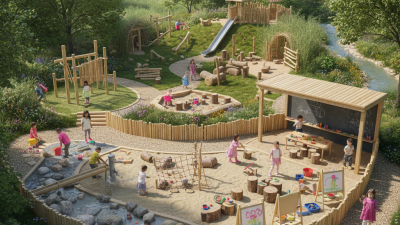
Picking a supplier in China for your Outdoor Kindergarten Playground? Honestly, it’s about more than just comparing prices or staring at pretty product photos. You want a space that actually works for the kids—their ages, the space you have, how the day flows, even the local weather. Like, a slide that’s shaded, a climbing frame that’s not too tall, and a soft landing area that won’t turn into a puddle after rain. It’s the little things that make all the difference.
You want a supplier who actually takes the time to walk you through the materials, how things are made, what installation looks like, and what upkeep you’re signing up for — all in plain language, not jargon. And don’t be shy about asking for specs, real project photos, and references you can call. Also, think about the layout: will kids have enough space to move between activities without tripping over each other? It’s easy for a playground to look amazing in a brochure but feel totally cramped once it’s actually built. That happens more often than you’d think.
So, you're looking into playground suppliers in China? This guide walks you through the whole thing—how to vet suppliers, compare designs, and what questions to ask before you commit to an order. We also get into the practical stuff: customization options, delivery timelines, after-sales support, and all the paperwork. Honestly, if you're a school, developer, or buyer, these points should help you feel a lot more confident about your decision. But let's be real—no checklist is going to replace actually visiting the site and checking the product yourself. Some things just won't click until you see what the kids really need. That's definitely something worth thinking about, isn't it?
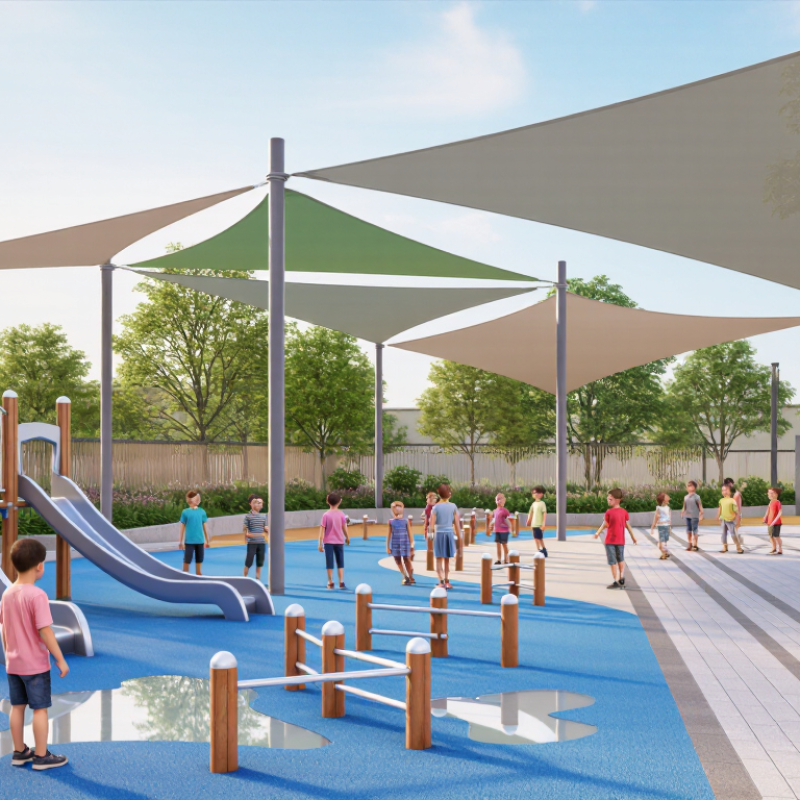
A capable supplier does more than offer colorful slides. It can show scaled drawings, equipment dimensions, material specifications, and clear installation instructions. Ask how posts resist corrosion, how exposed edges are finished, and what inspection records accompany production. Details matter. A smooth-looking platform may still become slippery after rain, so request surface and drainage information for your actual site. The U.S. Consumer Product Safety Commission’s Public Playground Safety Handbook (Publication 325) discusses fall zones, equipment layout, and protective surfacing. A supplier should explain how its design addresses these risks, not simply promise that a product is “safe.”
Good design also supports real movement. The World Health Organization’s 2019 guidelines recommend at least 180 minutes of varied physical activity daily for children aged three to four, including 60 minutes of moderate-to-vigorous activity. A playground cannot deliver that by itself, but varied routes, low climbing elements, and open space can invite active play. Request test documentation that matches the equipment and intended age group, plus a realistic maintenance schedule and spare-parts plan. Compare what is documented, not just what is pictured. I would still inspect a sample finish in person when possible; photographs rarely reveal sharp transitions or awkward handholds. No checklist replaces careful installation and regular checks.
For a Kindergarten Playground Outdoor project, ask the supplier which edition of EN 1176 or ASTM F1487 its equipment was assessed against. These standards are not interchangeable, and the relevant requirements depend on the project location and equipment type. Ask for current test reports and the specific models they cover. A general statement of compliance is not enough.
Inspect the details. Check platform heights, openings that could trap a child’s head or fingers, handrails, and the stability of climbing components. Very practical. Ask how the recommended surfacing matches the equipment’s fall height. EN 1176 covers playground equipment; impact-attenuating surfacing is addressed separately in EN 1177. ASTM F1487 sets safety performance requirements for public-use playground equipment, but it does not replace a site-specific review. Confirm installation instructions, anchoring details, inspection records, and maintenance guidance. Standards help, but they cannot catch every poor installation or worn surface. I would still want a qualified inspection after installation, even when the paperwork looks complete. That extra check can feel repetitive, yet it may reveal loose bolts or uneven surfacing.
For children aged three and four, the World Health Organization recommends at least 180 minutes of physical activity across the day. This includes activity of different intensities, with at least 60 minutes at moderate to vigorous intensity. It need not happen in one long session. Climbing, chasing bubbles, balancing, and dancing can all contribute.
A well-planned kindergarten playground makes movement easy to choose. Low platforms, wide ramps, short climbing routes, and open space invite children with different abilities to join in. A child might step over a log, then run to a friend. Small details matter. Shade, clear sightlines, and impact-absorbing surfaces also support comfortable, supervised play.
When comparing Outdoor Playground suppliers in China, ask how equipment suits preschoolers, supports varied movement, and can be checked and maintained over time. Request clear age guidance and installation details, not just attractive renderings. A bigger structure does not automatically mean more active play. And one honest limitation: even thoughtful equipment cannot replace attentive adults, changing games, or children’s own ideas. Some days, they may ignore the climbing frame and chase leaves instead.
For a kindergarten playground, surfacing should be selected against the equipment’s critical fall height, not just its appearance or softness. This height represents the level a surface is designed to protect against during a fall. Check the equipment layout and manufacturer’s specifications, then compare them with the surfacing system’s tested fall-height rating. Measure carefully.
A thick-looking layer is not automatically protective. Loose-fill materials can shift beneath swings and slide exits, exposing hard ground in busy landing zones. Unitized or bonded surfaces can also lose performance if they crack, separate, or are installed over an unsuitable base. Small details matter. Drainage, correct installation depth, and regular maintenance all affect how the surface performs over time.
For outdoor kindergarten projects, ask suppliers for test documentation that matches the proposed material and installation depth. Walk the play area after installation, especially under climbing platforms and at the ends of slides. Record settled spots and repair them promptly. A practical inspection schedule helps, though it can be missed during a hectic school week; that is worth planning for. Recheck the surface after heavy rain, seasonal changes, or repairs, and make sure its rated protection still corresponds to the equipment’s critical fall height.
When evaluating a China outdoor kindergarten playground supplier, check whether its ISO 9001 certificate covers the actual factory and relevant production activities. Confirm the certificate number, issuing organization, validity dates, and site address. If details are unclear, ask the supplier for permission to verify them with the issuer. An ISO certificate indicates a quality management system; it does not prove that every playground component is safe. Paper can mislead.
Tips: Request recent test reports for the exact equipment models and materials you plan to order. Compare model numbers, product photos, test dates, and measured results. Ask which safety requirements the tests address in your destination market. Check that the report identifies the testing laboratory and includes all pages, not only a cropped summary. Details matter.
For outdoor kindergarten playgrounds, review reports for practical features such as surface coatings, structural strength, and impact-absorbing surfacing. A mismatch between the tested sample and the finished product deserves a clear explanation. Ask for production records or a sample inspection before shipment, especially if colors or dimensions changed. Use Kindergarten Playground Games as a planning reference, but verify that the selected layout and equipment match the reports. A careful review takes time, and some paperwork may still leave questions. Keep those questions documented.
A capable China-based outdoor Kindergarten Playground supplier should explain how its design fits your site, not just show attractive renderings. Compare customization options against a measured plan, including fall zones, entrances, shade, and the space around swings. Ask for material specifications and drawings showing platform heights, step dimensions, and connection points. These details help staff check whether the proposed Kindergarten Playground suits children’s ages and daily routines.
Lead times need a clear breakdown. Ask when drawings, production, packing, shipping, and installation are expected, and what could change those dates. Get installation responsibilities in writing: who prepares the ground, checks anchors, and handles assembly? Warranty terms should identify covered parts, reporting steps, and exclusions. Request sample inspection records or references for similar projects. A polished quotation can still leave gaps. Read it carefully.
Tips: Compare the same scope across suppliers. Ask for a dated project schedule and a written warranty. Keep one question open: does the design still work when several children use it at once?
Before a playground shipment leaves the factory, request dated inspection records rather than a simple “passed” note. The report should name the equipment checked, the inspector, and any repairs completed. Ask for checks of welds, fasteners, coatings, and moving parts against the approved drawings. Look closely at slide edges, platform gaps, and exposed bolt ends. Small details matter. For Kindergarten Kids Playsets, request photos of assembled units and anchor points. Photos help, but they cannot replace hands-on inspection.
Confirm the maintenance plan before delivery, too. It should list inspection intervals, routine tasks, responsible staff, and replacement-part details. Ask how to check loose fittings, worn surfaces, drainage, and damage after heavy use. A useful handover pack includes assembly instructions, component lists, and clear guidance for tightening connections. Keep the records accessible to the staff who will maintain the play area. A checklist can still miss a problem, especially when parts are packed separately. That is why the receiving team should inspect the shipment on arrival and report damage before installation.
Use this checklist before dispatch. Acceptance criteria should follow the approved project drawings, equipment instructions, and the safety requirements applicable at the installation site. Record actual inspection results; do not treat blank fields as passed checks.
| Inspection Area | Pre-Delivery Check | Verification Method / Evidence | Acceptance Basis | Record |
|---|---|---|---|---|
| Design and compliance documents | Confirm the equipment configuration, age range, layout, and safety documentation match the approved project specification. | Review drawings, product instructions, risk assessment, and any applicable conformity or test documents. | Documents correspond to the equipment supplied and the standards or regulations required for the destination market. | Document references and review date |
| Structure and connections | Inspect frames, welds, joints, fasteners, caps, and protective covers for damage, looseness, sharp edges, or exposed threads. | Visual and hands-on inspection; check fastener torque only where a value is specified by the design or manufacturer’s instructions. | No visible damage or hazardous projections; connections meet the approved drawings and installation instructions. | Inspection result and any corrective action |
| Entrapment and protrusion hazards | Check openings, gaps, moving parts, and projecting components against the applicable playground-equipment requirements. | Use the assessment tools and procedures specified by the applicable standard or inspection protocol; document locations checked. | No unacceptable head, neck, finger, clothing, or body entrapment or protrusion hazards under the applicable requirements. | Check locations and findings |
| Moving equipment | Operate swings, slides, spinners, or other moving components through their intended range of motion. | Functional test; check clearances, stops, bearings, chains, seats, and moving-part guards against the design and instructions. | Movement is unobstructed and components are secure, correctly assembled, and free of abnormal noise or binding. | Components tested and results |
| Impact-attenuating surfacing | Confirm the specified surfacing type and depth or system build-up are identified for the equipment’s fall height and use zones. | Review surfacing specification and installation details; verify impact-attenuation test documentation where required. | Surfacing meets the project specification and applicable requirements, such as ASTM F1292 or EN 1177 where applicable. | Surfacing type, specification, and evidence |
| Accessibility and circulation | Check the planned accessible route, entry points, and usable play components against the approved site design. | Review layout and accessibility documentation; confirm applicable local accessibility requirements. | Design aligns with the project brief and requirements applicable at the installation location; ASTM F1951 may apply to accessible surfacing in some projects. | Drawing reference and review findings |
| Finishes and materials | Check coatings, plastic components, timber surfaces, and exposed edges for cracks, splinters, peeling, corrosion, or sharp corners. | Visual and touch inspection under good lighting; review material and finish specifications. | Surfaces are intact and finished as specified, with no observable defect that creates a foreseeable hazard. | Defects found and disposition |
| Packing and traceability | Verify that parts, hardware, labels, assembly instructions, and maintenance information are complete and identifiable. | Compare packed-item list with the approved bill of materials and check that instructions are included. | Shipment contents are traceable to the project documentation and contain the information needed for assembly and upkeep. | Packing-list check and exceptions |
| Inspection records | Confirm that the pre-delivery inspection is completed and unresolved safety-critical issues are not marked as accepted. | Review dated inspection checklist, inspector details, photographs where useful, and corrective-action closure evidence. | Findings are recorded clearly; dispatch approval follows the project’s documented release process. | Inspector, date, and release decision |
| Maintenance plan | Obtain a maintenance schedule covering routine checks, periodic inspections, cleaning, repairs, and replacement of worn parts. | Review the supplied maintenance instructions and confirm they identify tasks, recommended frequency, and recordkeeping. | Plan is consistent with the equipment instructions, site conditions, and applicable local guidance; inspection frequency is set by the responsible operator. | Plan reference and responsible operator |
| Handover and open actions | List any outstanding nonconformities, agreed remedies, and the party responsible for closing each action. | Review the signed handover or corrective-action log and verify supporting evidence for closed items. | No unresolved safety-critical issue is accepted for dispatch; remaining actions have documented owners and due dates. | Action, owner, due date, and closure status |
Ask for scaled drawings, equipment dimensions, material details, and clear installation instructions. Pictures alone are not enough.
Ask how posts resist corrosion and how exposed edges are finished. If possible, inspect a sample in person; photos may hide rough transitions or awkward handholds.
Match the surface’s tested fall-height rating to the equipment’s critical fall height. Check the specifications and proposed installation depth. Measure carefully.
No. Loose-fill material can shift under swings or near slide exits, exposing hard ground. Bonded surfaces can also crack or separate.
Walk beneath climbing platforms and check slide landing areas. Look for settled spots, drainage problems, and areas where the surface has moved.
Set a regular inspection schedule and recheck after heavy rain, seasonal changes, or repairs. Busy school weeks can disrupt checks, so plan for that.
Request test documents for the specific equipment, age group, surfacing material, and installation depth. Also ask for maintenance instructions and a spare-parts plan.
It can encourage movement through varied routes, low climbing elements, and open space. It cannot provide all daily activity by itself. Small design choices matter.
Choosing the right Outdoor Kindergarten Playground supplier in China requires more than comparing prices or product photos. A reliable supplier should understand the needs of young children, offer age-appropriate equipment, and explain how its designs address recognized safety guidance such as EN 1176 and ASTM F1487. For children aged three to four, play areas should also support opportunities for frequent movement, in line with the World Health Organization’s recommendation of 180 minutes of physical activity throughout the day.
Before making a decision, check that protective surfacing is suitable for the equipment’s critical fall height, and review the factory’s quality-management documentation and relevant test reports. Compare suppliers on customization options, production lead times, installation support, and warranty terms. Before delivery and use, confirm that safety inspections have been completed and that clear maintenance instructions are available. These steps can help schools and childcare centers select a supplier with a practical, transparent approach to safety, quality, and long-term care.