When you're diving into the whole process of building A Splash Pad, it's super important to get into the nitty-gritty details — you know, like checking out theSplash Pad Construction Details. A guy like John Smith from Aquatic Innovations, who’s pretty much an expert when it comes to designing these Aquatic Play spots, always says, "A splash pad should be both fun and safe, but keep in mind that the tricky parts of construction can really make or break the whole thing."
Overview of Splash Pad Construction
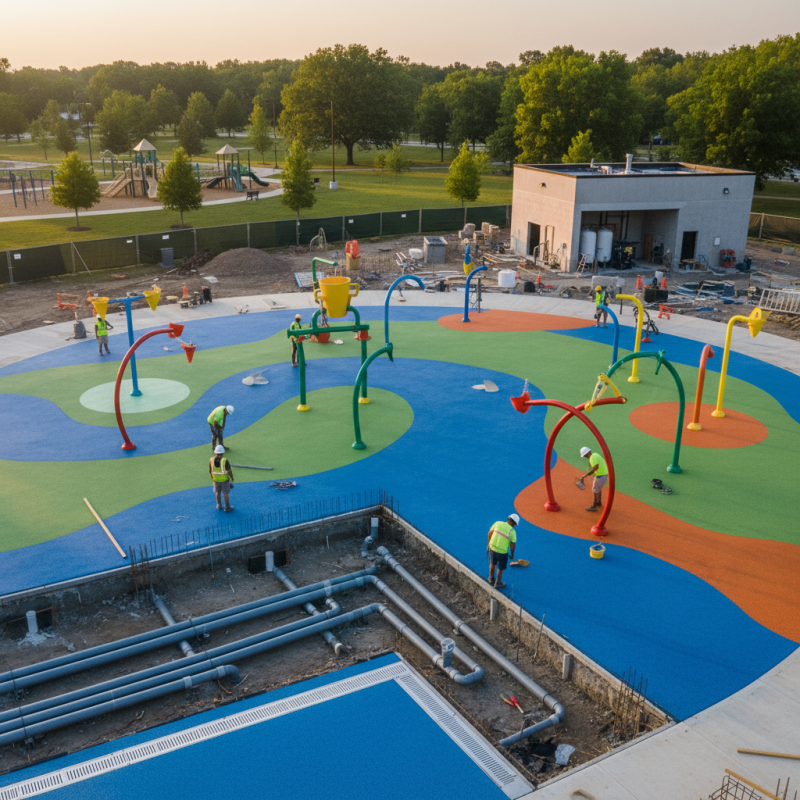
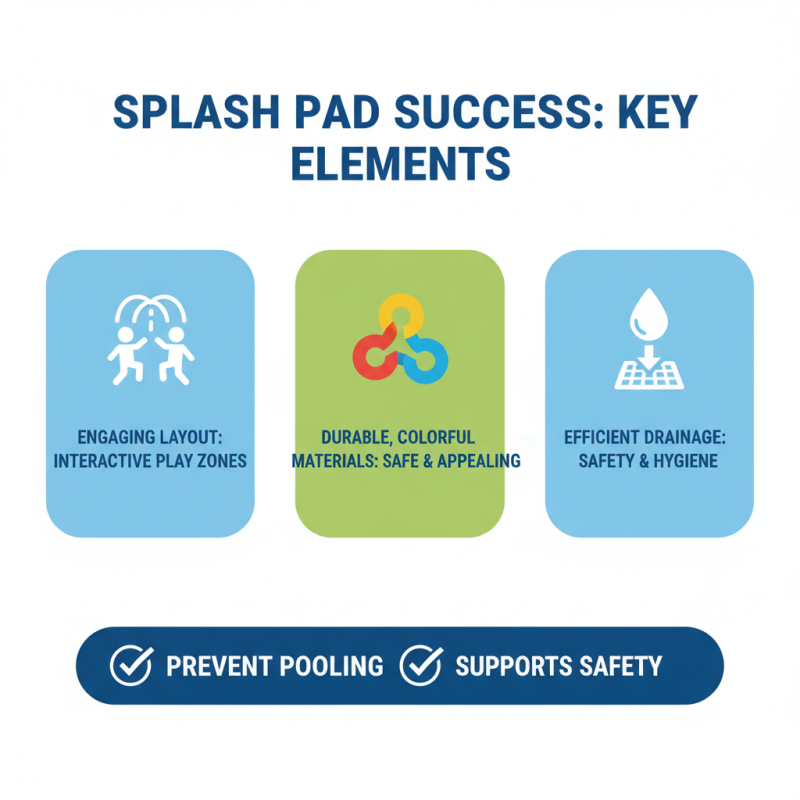
When considering splash pad construction, various elements are essential for creating a successful facility. The layout should encourage play and interaction. Think about using colorful, durable materials. Ensure the design includes adequate drainage to prevent water pooling. Effective drainage also supports safety.
In incorporating features, consider unique water sprays and interactive elements. Children love variety. However, ensure these features are well-spaced. Too many close together can create chaos. Safety should be a priority. Regular inspections will help identify potential hazards.
**Tips:** Use non-slip surfaces near water features. Frequent maintenance prevents malfunctions. Also, gather feedback from users. This can guide future improvements. Keep the design flexible for adjustments. Not every idea will work as planned. Embrace these challenges to create a better space.
Essential Design Considerations for Splash Pads
When designing a splash pad, several factors must be considered. Water features are key. Think about fountains, jets, and little waterfalls. Kids love interacting with water. They enjoy playful splashes and surprises. The layout should encourage exploration. Open spaces allow for free movement and creativity. Yet, too much open space can cause chaos. It's important to find balance.
Safety is paramount in splash pad design. The surface materials matter. Choose slip-resistant options to prevent falls. Adequate drainage is essential to avoid puddles. Oversight is needed for areas with complex water features. Include clear sightlines for parents. They should be able to see their kids easily. Another crucial aspect is accessibility. All children should enjoy the splash pad. Designs must cater to different abilities.
Aesthetic appeal is also vital. Bright colors and fun themes attract visitors. Natural elements, like plants, enhance the experience. However, maintenance is a reality. Over time, features might need repair. Regular checks are necessary to ensure everything functions well. Reflection on design choices helps improve future projects. Each splash pad should tell a story, inviting joy and laughter.
Key Materials and Equipment for Durable Splash Pads
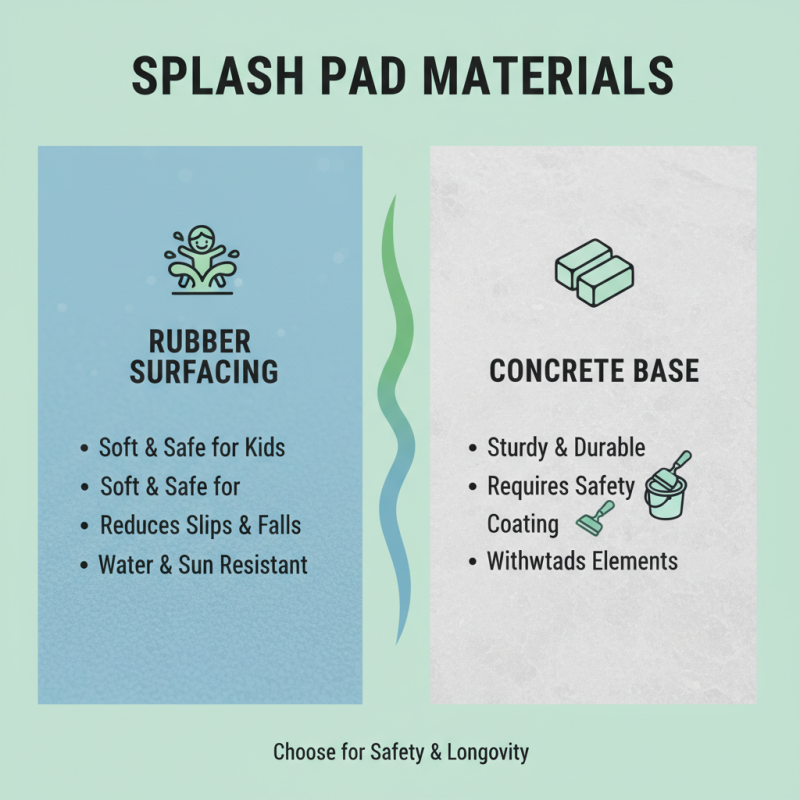
When planning a Splash Pad Construction, choosing the right materials is essential. These materials must withstand water and sun exposure. Durable surfaces often include rubber and concrete. Rubber is soft and safe for kids. It also reduces the risk of slips and falls. Concrete is sturdy but may require additional coatings for safety.
Another key aspect involves the equipment used in splash pads. Water features, like sprays and fountains, should be finely crafted. They must be easy to maintain and efficient. However, finding parts for repairs can be challenging at times. Some features break down quicker than expected. Regular maintenance checks can help in keeping water flow smooth.
Installing proper drainage is critical too. Without it, water can pool, leading to safety hazards. It is important to assess the land for drainage before the splash pad construction begins. Remembering these details will help create a safe and enjoyable environment for all users.
Water Filtration and Treatment Systems Explained
Water filtration and treatment are critical components of Splash Park Construction. Proper systems ensure water safety and cleanliness. According to the Centers for Disease Control and Prevention (CDC), proper water treatment can reduce the risk of waterborne illness significantly. A study by the World Health Organization supports this, stating that effective filtration systems can decrease contaminants by over 90%.
Consider using a multi-barrier filtration system. This approach combines various filtration methods. Each stage captures different contaminants, ensuring thorough water treatment. Regular maintenance is crucial; a poorly maintained system can lead to increased bacteria levels. Monitor your water quality frequently to avoid unexpected issues.
Tips: Implement real-time monitoring for water quality. It can alert you to problems before they escalate. Collaborate with local health departments for compliance with regulations. Remember, investing in quality systems can save money in the long run by reducing health incidents. Be aware that even with great systems, human error can still occur. Ensure staff is trained to handle equipment properly.
Safety Standards and Regulations for Splash Pads
When it comes to splash pad design, understanding safety standards is crucial. Children will be running and playing, so the environment must be secure. Non-slip surfaces are vital to prevent accidents. Proper drainage helps avoid puddles that can lead to slips. It's essential to choose materials that are soft and durable. This ensures children can play safely without the risk of injury.
Splash Park Construction requires compliance with local regulations. These rules often dictate water quality levels. Regular testing of water sources is necessary. Signage providing safety instructions is also important. Parents should easily see these signs. However, enforcing compliance can be challenging. Some facilities overlook routine maintenance, leading to safety hazards. Addressing these oversights should be a priority in planning.
Lastly, consider the equipment used in the design. Water features must adhere to strict safety guidelines. All installations require careful inspection. It's worth asking if all features are meeting the intended safety standards. Remember, a safe splash pad encourages more visitors and happier children. Reflecting on these details can enhance the overall experience.
Maintenance Tips for Long-lasting Splash Pad Performance
Maintaining a splash pad is crucial for ensuring its longevity and user satisfaction. Regular inspections are necessary. Check for any visible wear and tear in the surface. Pay attention to the water features, ensuring they operate smoothly. Clear any debris that may accumulate. This is often overlooked but is important for safety.
Water quality should be a priority. It’s essential to maintain proper chemical levels. Regularly test the water to prevent any health issues. Filtration systems need routine checks. Perhaps you find it tedious, but the effort is worth it. Failing to do so can lead to costly repairs later on.
Budget for maintenance costs. Many owners underestimate these expenses. Investing in quality materials can reduce long-term costs. Skimping here might save money now but could lead to bigger problems. Maintenance is an ongoing journey, not a one-time task. Be diligent, and your splash pad will reward you with years of enjoyment.
Cost Estimation and Budgeting for Splash Pad Projects
When planning a splash pad project, cost estimation is critical. Industry reports indicate that splash pad construction can range from $100 to $250 per square foot. This variation often depends on design complexity, selected materials, and local labor rates. For instance, adding interactive features can significantly increase expenses. Some facilities may opt for simple installations, while others envision vibrant, multi-functional spaces.
Budgeting for splash pad projects can be challenging. Unexpected costs often arise, leading to budget overruns. A detailed project scope can help mitigate risks. Regular consultations with contractors can adjust project details and budgets. For a Small Water Park Construction, attention to detail is essential. Infrastructure, such as drainage systems and landscaping, must be factored into the budget early on.
Additionally, consider long-term operation costs. Maintenance, water usage, and staffing should all be included. Oversights in these areas can result in financial strain. Smart planning can save money in the long run, but it's crucial to remain flexible as needs evolve. Understanding these factors can lead to successful splash pad projects within your budget.
Unleashing Summer Fun: The Ultimate Guide to Toddler Splash Pads and Outdoor Sprinklers for Kids
As summer approaches, parents are on the lookout for ways to keep their toddlers entertained and cool under the sun. One of the best ways to do this is by setting up a splash pad or outdoor sprinkler in the backyard. These fun water features not only provide endless joy but also help little ones develop their motor skills while enjoying the refreshing spray of water on a hot day.
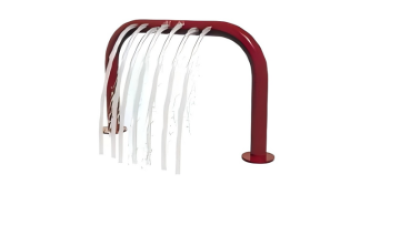
When choosing a splash pad for toddlers, it's essential to consider the size and materials used in its construction. For instance, a small water door, designed specifically for young children, offers a perfect combination of safety and excitement. With dimensions of 180*20*100 cm and made of sturdy stainless steel, this water feature ensures durability while being easy to install. The water flow rate of 3 cubic meters per hour provides a delightful experience for toddlers to splash, run, and play, creating a mini water park atmosphere right in your backyard.
Encouraging outdoor play through sprinkler systems or splash pads not only brings joy to children but also fosters social connections with friends and family. Parents can easily host playdates or summer gatherings with this vibrant addition, creating lasting memories filled with laughter and joy. Investing in a quality outdoor water feature can transform your backyard into a kids' summer paradise, making it a go-to destination for fun-filled days under the sun.
FAQS
: The product aims to improve daily efficiency and enhance user satisfaction.
Many users report noticeable changes within a few weeks. Some may take longer to feel improvements.
Users are encouraged to follow guidelines. Overuse can lead to diminishing returns or dissatisfaction.
Some users experience initial discomfort. It's important to adjust usage based on personal response.
Compatibility varies. Check instructions to avoid unexpected negative interactions.
Consult the provided resources or reach out to support. Keep track of your usage and changes.
The product is generally suitable for adults. Consult a professional for specific concerns.
Keep it in a cool, dry place. Avoid exposure to extreme temperatures or humidity for optimal longevity.
Details are generally available in the packaging. Look for transparent labeling to understand what’s included.
Reflect on your usage and expectations. Contact support for possible solutions or adjustments.
Conclusion
The article "2026 Best Splash Pad Construction Details You Need to Know" provides a comprehensive guide to the essential aspects of splash pad construction. It begins with an overview, highlighting the significance of proper planning and design. Essential design considerations are discussed, focusing on creating engaging and safe environments for users. The article emphasizes the importance of selecting durable materials and equipment to ensure longevity and performance.
Moreover, it delves into water filtration and treatment systems, explaining how these systems enhance hygiene and water quality. Adherence to safety standards and regulations is outlined to ensure user safety and compliance with legal requirements. Maintenance tips are provided to help operators sustain the splash pad's performance over the years. Lastly, the article offers insights into cost estimation and budgeting, making it a valuable resource for anyone interested in splash pad construction details.