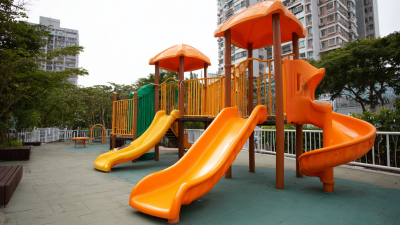
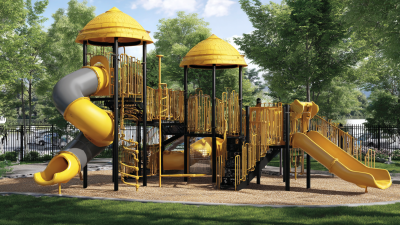
In today’s super-fast-paced world, picking the right playground equipment isn’t just about looks — it’s really about supporting kids’ growth and development. Knowing the ins and outs of things like the Playground Equipment Dimensions is a must, especially for folks around the world trying to make the best choices. Dr. Leo Martin from PlaySpace Innovations, a real expert in playground design, puts it simply: “Getting the right size isn’t just about safety — it’s about making sure every kid has fun.” His point really hits home — the details matter a lot when it comes to designing playgrounds that are safe and enjoyable.
Size really matters when it comes to how usable and safe a playground is. A thoughtfully designed space not only gets kids moving, but also helps them make friends and play together. When the equipment is the right size, it can suit kids of different ages and sizes, which is pretty important. Unfortunately, a lot of buyers overlook these details. They may get caught up in how something looks or how much it costs, but forget that safety really depends on getting those measurements right.
Ignoring the whole “Playground Equipment Dimensions” thing can lead to playgrounds that just don’t meet safety standards. That’s something to think about — what really matters when you’re choosing Playground Gear? As the industry keeps changing, it’s more important than ever to make sure all equipment ticks the safety boxes. Only then can we build playgrounds that are truly inclusive, fun, and safe for everyone.
Overview of Playground Equipment Dimensions: Global Standards and Guidelines
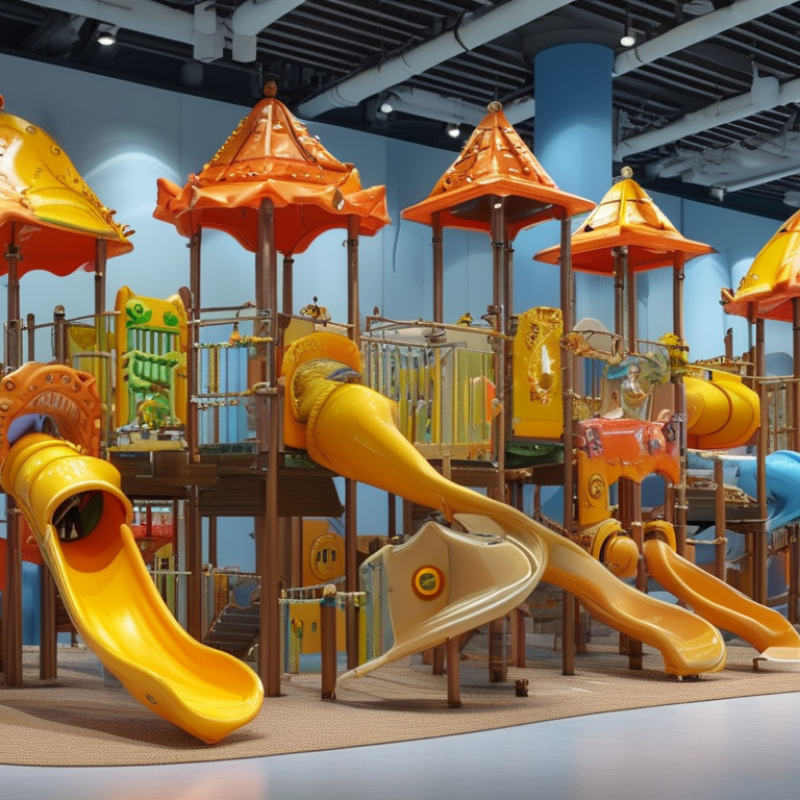
Playground equipment dimensions are crucial. They determine safety and usability. Different countries have varying standards. Buyers must understand these guidelines for effective planning. Equipment must fit the age groups it serves. For instance, swings, slides, and climbing structures each need specific heights and widths.
Water Park Playground Equipmentoften requires unique dimensions. Water toys and slides must comply with safety regulations. The depth of Water Play areas also matters. Parents and caregivers seek reliable dimensions for safety. Equipment that feels secure encourages children to explore.
Design must also accommodate different abilities. Inclusive playgrounds need extra consideration. Clear guidelines help ensure everyone can enjoy the space. However, precise dimensions are only part of the equation. Regular maintenance of equipment and proper installation are vital too. Dimensions can vary based on local needs and trends. Constant reflection on these elements will improve playground design.
2026 Best Playground Equipment Dimensions for Global Buyers
| Equipment Type | Recommended Height (cm) | Recommended Width (cm) | Safety Zone (cm) | Age Range (years) |
| Swing Set | 210 | 150 | 300 | 2-12 |
| Slide | 120 | 50 | 250 | 3-10 |
| Climbing Frame | 240 | 200 | 350 | 4-12 |
| Seesaw | 90 | 120 | 200 | 3-8 |
| Sandbox | 30 | 150 | 200 | 1-6 |
Understanding Age-Appropriate Specifications for Playground Equipment
When selecting playground equipment, age-appropriate specifications are crucial. Young children, for instance, require lower platforms and softer surfaces. Equipment designed for toddlers, like small slides and swings, should have safety features that prevent falls. Safety mats or grass can minimize injuries.
As children grow, their needs change. Equipment for older kids must encourage physical activity and social interaction. Climbing structures and interactive games are popular choices. It’s essential to ensure the dimensions of these structures are suitable for their height and strength. Incorrect sizing can lead to accidents, making careful planning essential.
Consider the space and layout when installing equipment. Each piece must provide enough room for safe play. It’s a common mistake to overcrowd the playground, reducing safety and access. Ensuring a variety, like balance beams and monkey bars, caters to different preferences. Understanding the list of Kids Playground Equipment Names helps in making informed decisions about what fits your space best. Always refer to guidelines for recommended sizes to effectively serve diverse age groups.
Key Safety Standards and Compliance Metrics for Playground Equipment
When considering playground equipment, safety must take precedence. Key safety standards guide the design and installation of playgrounds worldwide. Compliance with these standards protects children and reduces the risk of injury. Organizations like the ASTM and CPSC lay out critical guidelines for various equipment. They emphasize soft surfaces, proper spacing, and sturdy materials to ensure safe play environments.
Equipment dimensions are equally important. Correct sizing influences how children interact with the playground. For instance, swing heights should accommodate different ages. Spaces between structures aid movement and prevent accidents. However, many playgrounds fall short in meeting these essential dimensions. Some equipment is too large for younger children, posing potential hazards. It’s crucial for designers and buyers to continuously assess and reflect upon these aspects.
Regular inspections and maintenance help uphold safety standards. Ensuring that all equipment adheres to the latest compliance metrics is vital. Many times, safety features are overlooked during inspections. This can lead to dangerous scenarios in schools and parks. Prioritizing safety not only benefits children but also builds trust within communities. A reliable playground is one where parents can feel assured their children play safely.
Impact of Playground Equipment Dimensions on Child Development and Safety
The dimensions of playground equipment play a critical role in child development. Well-designed structures foster physical skills, like climbing and balancing. For instance, slides should not be too steep. This ensures safe descents for young children. Safety can boost children's confidence, enabling them to explore more.
Moreover, equipment must cater to different age groups. Toddlers need smaller spaces. This allows them to interact safely. In contrast, older children benefit from larger, more complex structures. These can encourage creativity and teamwork. When dimensions are overlooked, children may feel overwhelmed or disengaged.
Paying attention to the right sizes can enhance safety, ensuring every child feels secure while playing. However, discrepancies in equipment dimensions can lead to accidents. Therefore, continuous assessments and adaptations are crucial. Through careful planning, we can create environments that nurture growth and enjoyment.
Comparison of Playground Equipment Dimensions Across Different Countries
When considering playground equipment dimensions, global variations are significant. For instance, the American Society for Testing and Materials (ASTM) suggests specific height and space standards for safety. In the U.S., a common recommendation places slide heights at a maximum of 6 feet. This ensures safe usage for children aged 2 to 5 years.
In contrast, European standards, particularly those outlined by EN 1176, allow for slightly different dimensions. A vibrant playground in Germany may feature swings with varying seat heights, accommodating children up to 12 years old. Such differences stem from cultural emphasis on risk and creativity in play.
Interestingly, many countries face challenges in adhering to universal safety standards. For example, developing nations often lack resources for consistent equipment sizing and safety measures. This inconsistency can lead to safety hazards. Heightened awareness and collaborative efforts are essential for bridging these gaps in playground design.
Trends in Playground Equipment Design: Innovations and Dimensions
Innovations in playground equipment design focus on safety, inclusivity, and engagement. Recent data shows that 68% of playgrounds emphasize safety features, ensuring children can play without risk. The integration of soft surfaces, adaptive equipment, and design guidelines from authorities like the ASTM further enhances user safety. This trend reflects a growing awareness among designers and manufacturers about the importance of creating spaces where every child belongs.
In addition to safety, dimensions play a critical role in equipment effectiveness. According to industry studies, equipment that caters to diverse age groups needs to consider spatial requirements. For example, structures must accommodate users ranging from toddlers to pre-teens. Most playgrounds are designed with a height limit of 10 feet, allowing appropriate supervision while providing thrill. However, there is still a need to refine these measurements. Many designs fall short, lacking in areas that foster imaginative play.
The demand for Industrial Playground Equipment continues to rise. Yet, some manufacturers overlook the need for eco-friendly materials. Industry reports indicate a shift towards sustainable practices. Proper dimensions combined with innovative materials can improve physical play environments. However, this requires ongoing evaluation and feedback from users. Designers must remain open to adjustments, ensuring playgrounds meet the evolving needs of communities.
2026 Best Playground Equipment Dimensions
Market Analysis: Dimension Preferences of Global Playground Equipment Buyers
In recent years, the playground equipment market has evolved significantly. A key focus for global buyers is the dimension preferences of various equipment. Data from industry reports indicate that the preferred height for slides ranges between 8 to 10 feet. This optimal size allows for safety while also providing excitement for children. For swings, a width of approximately 3 feet is commonly chosen, making it comfortable for multiple children.
When selecting Heavy Duty Playground Equipment, understanding dimension trends is essential. Research shows that equipment designed for older children often has higher specifications. This has led to increased demand for structures that are taller and wider, accommodating the needs of active play. However, some manufacturers have struggled to keep pace with these evolving preferences. A detailed assessment of dimensions can help buyers navigate these challenges.
Tip: Always consider space limitations when purchasing playground equipment. Ensure that the equipment fits well within designated play areas. Safety standards should also guide dimension choices. For example, leaving adequate space between large structures reduces risks. Compliance with local regulations enhances reliability too. Aim for equipment that both meets safety requirements and provides ample room for fun.
FAQS
: They ensure safety for children of different ages. For younger kids, lower platforms and softer surfaces are necessary.
It should include safety mats, small slides, and swings to prevent falls and minimize injuries.
It should encourage physical activity with structures like climbing walls and games suited to their height and strength.
Overcrowding the playground can reduce safety and access, limiting children's ability to play freely.
Proper sizing allows for safe use by children of different ages and ensures appropriate supervision during play.
There is a growing emphasis on safety, inclusivity, and using sustainable materials, reflecting community needs.
Most playgrounds design with a height limit of 10 feet for safety and adequate supervision.
Buyers should recognize the need for suitable sizes that can accommodate active play, especially for older kids.
Ongoing evaluations help designers refine dimensions and features to better serve the evolving needs of the community.
Ensure compliance with local regulations and that there is enough space between structures for safe play.
Conclusion
The article "2026 Best Playground Equipment Dimensions for Global Buyers" provides a comprehensive overview of the essential dimensions necessary for playground equipment to meet global standards and guidelines. It emphasizes the importance of age-appropriate specifications, ensuring that equipment is designed to cater to the developmental needs of children. The piece outlines key safety standards and compliance metrics, highlighting how proper dimensions can significantly impact child safety and development.
Furthermore, the article compares playground equipment dimensions across various countries, revealing regional preferences and trends in equipment design. As innovations continue to shape the industry, the analysis also delves into the dimension preferences of global buyers in the market, showcasing how these measurements play a critical role in the selection of suitable playground equipment. Overall, understanding Playground Equipment Dimensions is crucial for creating safe, engaging, and developmentally appropriate play environments for children worldwide.