
Leave Your Message
- Phone
- E-mail
- Alitalk
- Whatsapp
- Wechat

Towards the year 2025, the outdoors will be increasingly accommodating and fulfilling for children and their families. Innovation in Outdoor Playgrounds has changed the way children engage with their environments while also stimulating them mentally and socially. At Lio Sunny Playground Equipment Co., Ltd. Shanghai, we aim to champion change by setting up playgrounds that awaken the imagination, that allow for safe play, and that promote interaction among users. According to our data, the trend is definitely moving towards creating more inclusive and green environments for children to explore, play, and learn.
This blog will look closely at the trends and insights surrounding outdoor playgrounds for children by 2025. These innovations, including technology, sustainable materials, and inclusive designs, reflect a growing understanding of child development and the necessity of outdoor play. Come with us as we explore how this evolution gives birth to dynamic, safe, and interactive spaces that provide entertainment for future explorers and innovators.
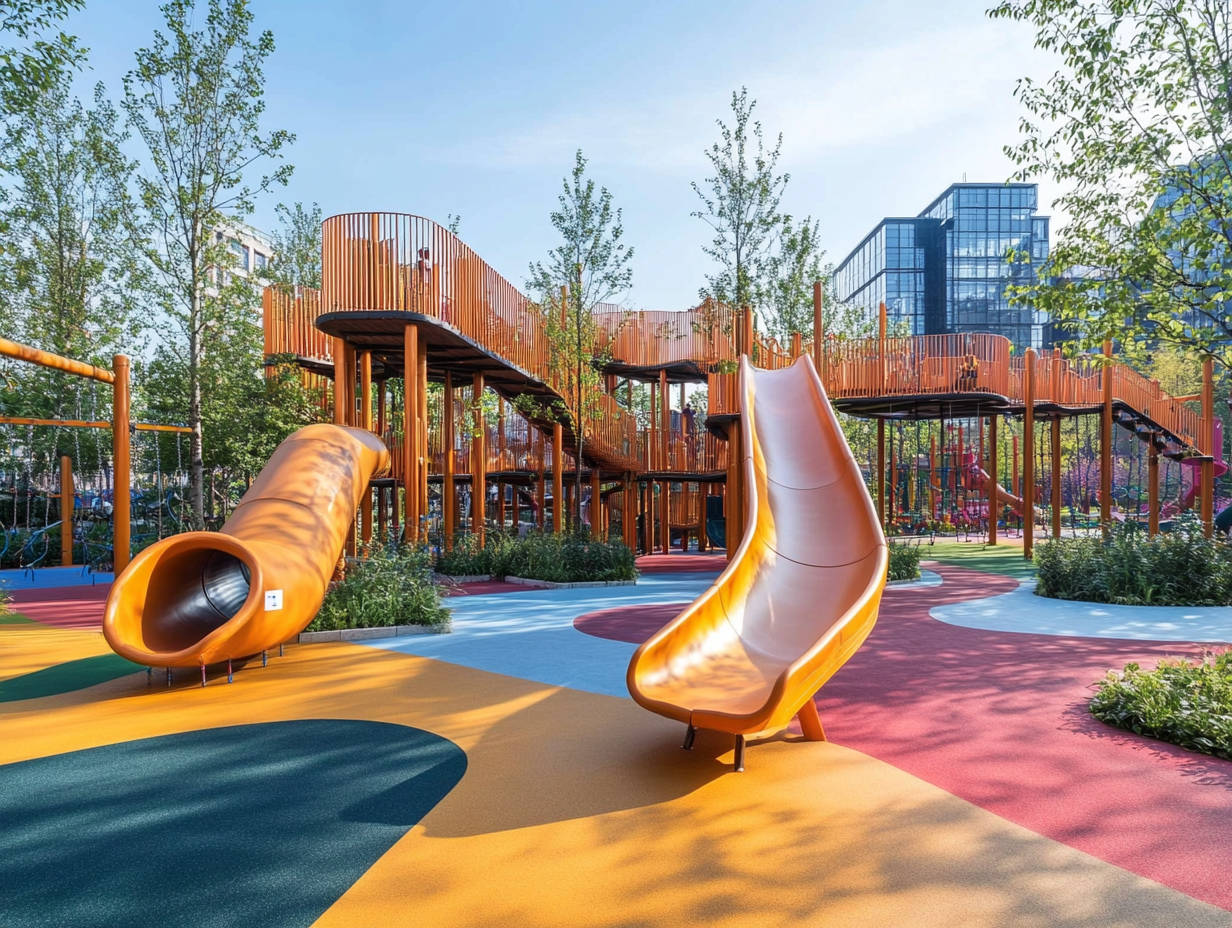
Safety innovations in playground design have also radically changed the manner in which children Play Outdoor spaces. With the targeted approach toward safety for young explorers, such advances have an auspicious future ahead, since smart sensors and real-time monitoring systems have become a significant part of the efforts in communities that advocate safety for children. These innovations not only alert guardians to potential dangers but also create a safer environment, thus inspiring active play. True to trends in digital environments, playgrounds include play features to enhance social collaboration and creativity. For example, games designed using augmented reality help with exploration as well as working together in groups, laying a foundation of sharing necessary skills children must have while under the supervision of others. The functionality of bringing safety technology into the main event is certainly evolving outdoor experiences into an avenue that extends beyond fun and plays an important part in childhood development as we move closer to 2025.
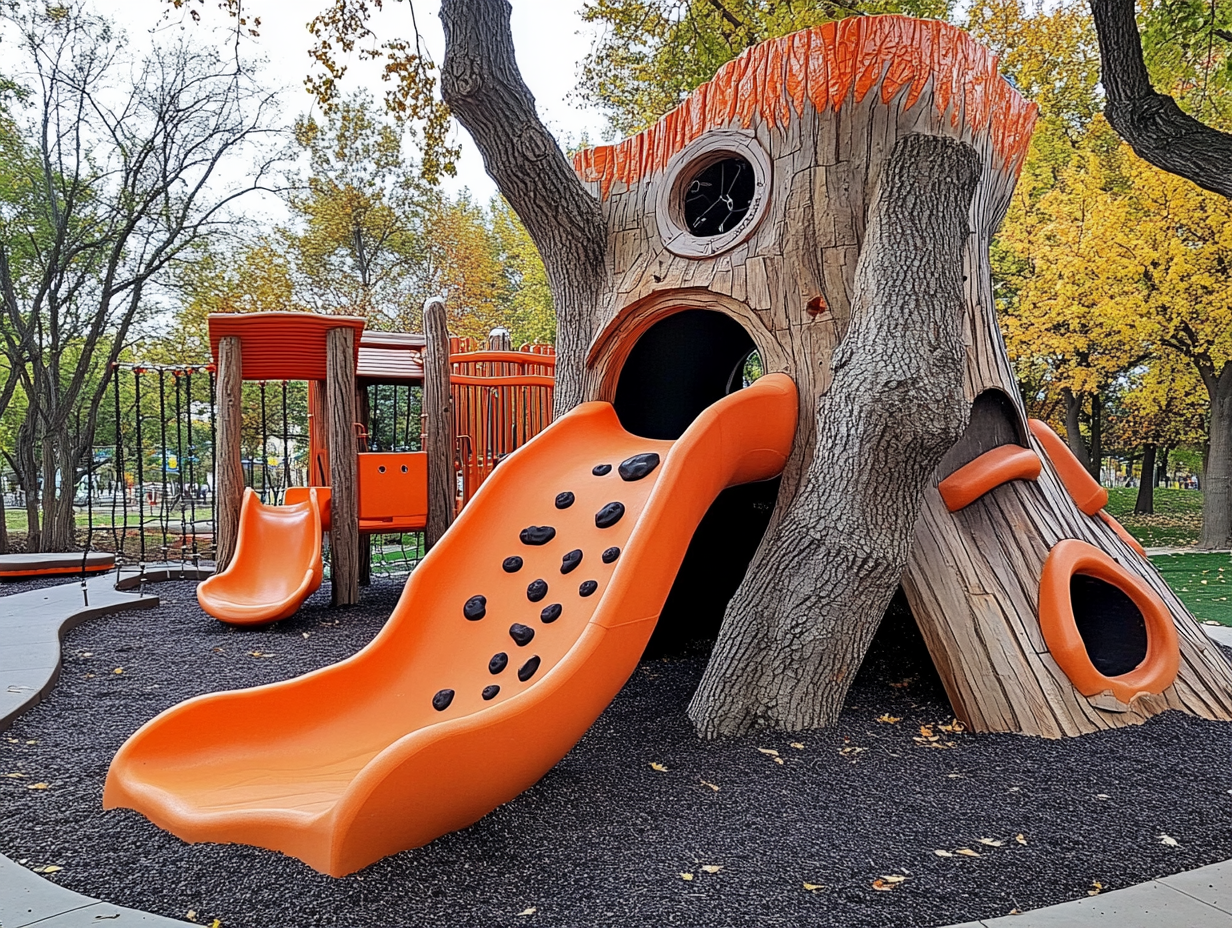
The playground landscape is set to change drastically as emerging technologies and new designs focus on enhancing children's play experiences. The trend for the moment is the 3D printing of playgrounds that recycle materials and create unique and customizable structures. This addresses environmental issues while giving children yet another brand-new, exciting terrain to explore and hone their creativity in active play.
From traditional designs to mazes, the playground now promotes exploratory and risky fun. This change engages a child's natural curiosity and creates an opportunity for imaginative play. With smart tech features like interactivity and highly sensory experiences, the new playgrounds become a place for movement and a place where kids learn and explore. The future of playgrounds will be nothing short of the emerging realities they promise to provide excitedly for future generations of children."
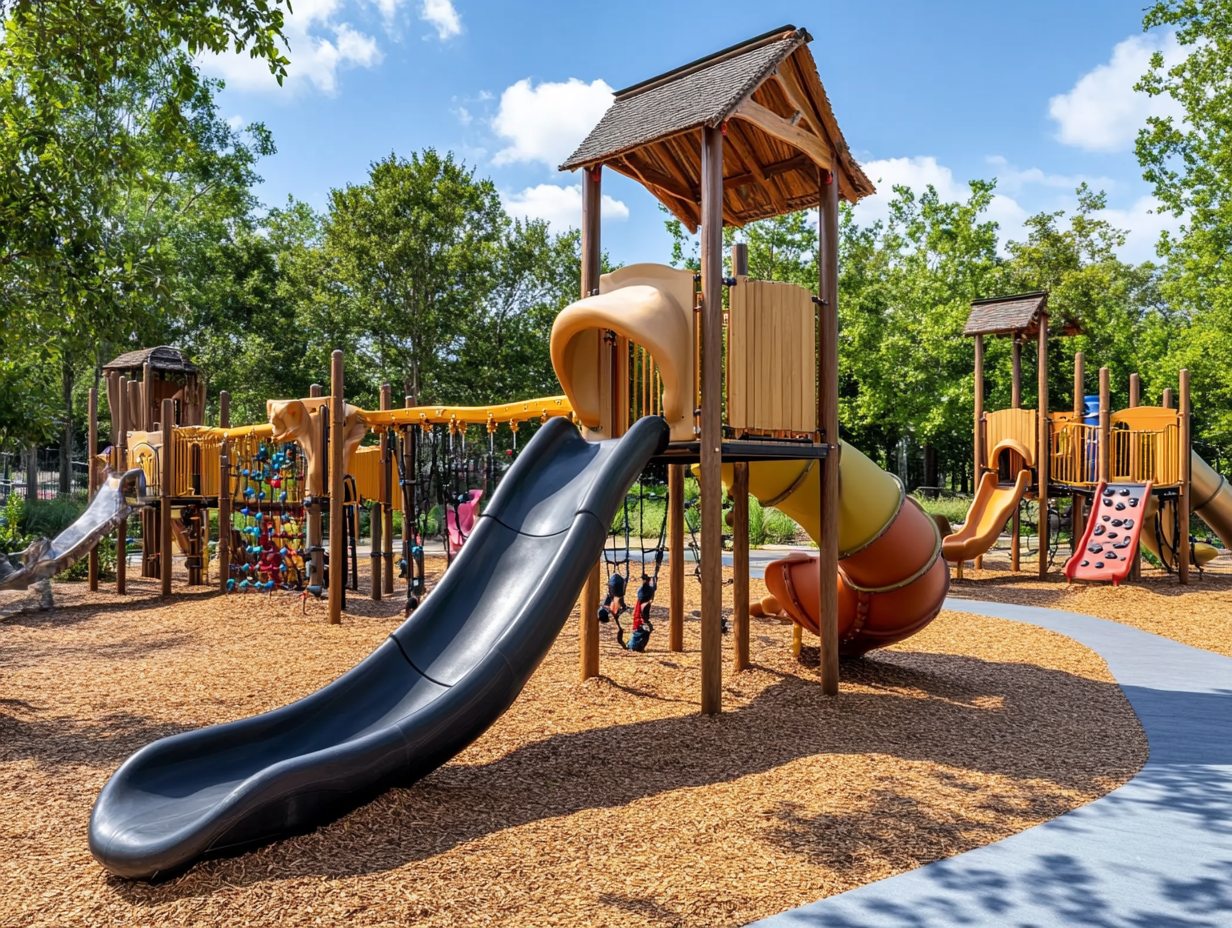
The new trend in designing outdoor play areas will include the coming years of 2025 to include much more complex features of inclusivity. This trend will, to a greater degree, focus more on developing environments through which children of all abilities could grow and better enjoy their playtime experiences while integrating adaptive playground equipment and multiform experiences towards this end. The importance of play in children's development, and hence the reason all children should feel welcome and valued in public spaces, could be well understood from this trend.
Experts believe that these trends will go on extending beyond the limits of the already popular plan, offering sensory-sensitive features and smooth access through the different sections of the playground. Such an approach would, indeed, go hand in hand with wider societal movements towards inclusivity and the "reconceptualizing" of public spaces to suit all their users. Eventually, the development of outside playgrounds becomes such as to reflect the increasingly held interpretation of childhood play as a fundamental right central to social bonding and the limitless possibilities that creativity and learning afford.
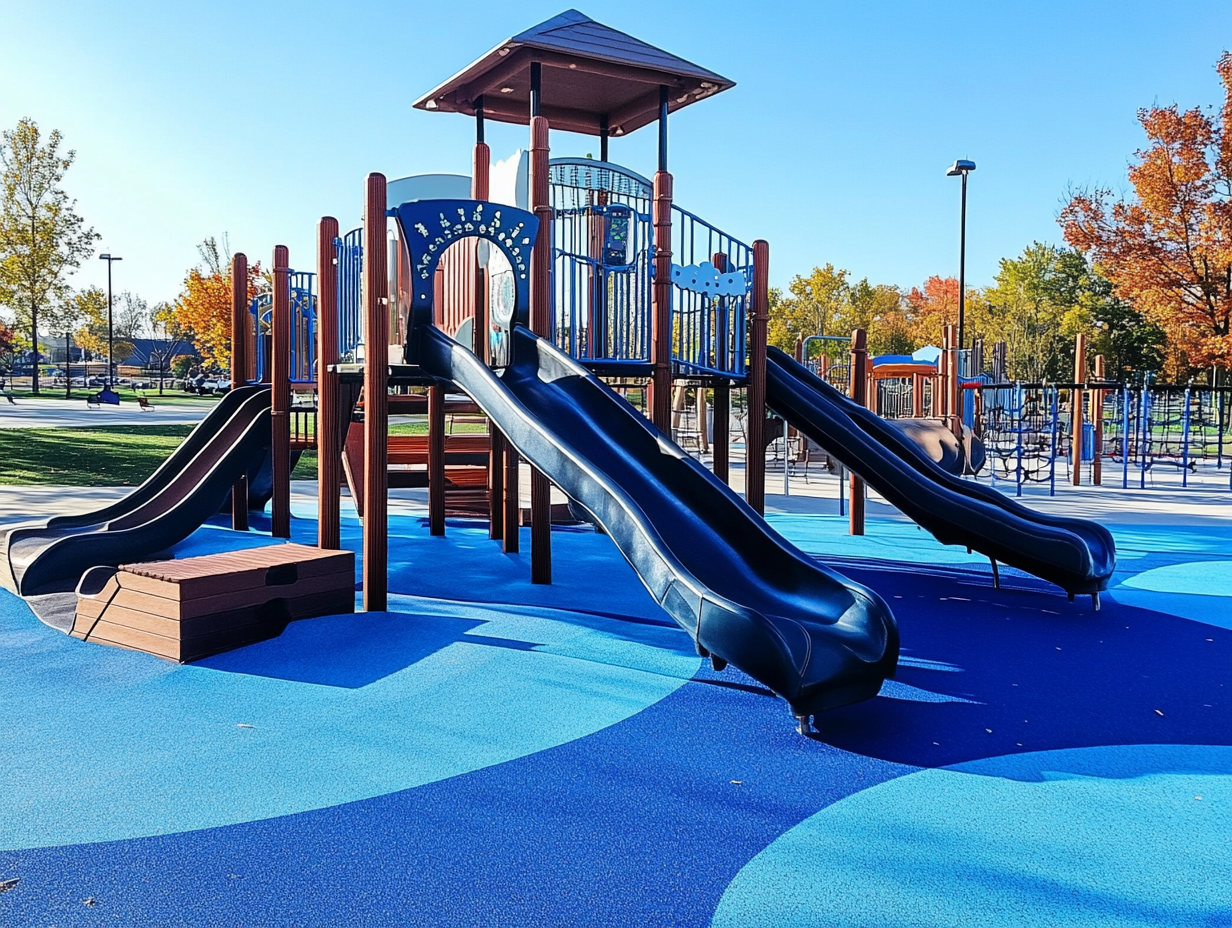
Nature-based play areas are fast growing in popularity within the realm of outdoor playground design, indicating the growing awareness that children thrive in natural settings. This trend propagating biophilic design incorporates elements of nature, such as trees, water, and organic shapes, into play spaces that encourage the child's environmental connection while enhancing imaginative play.
Plans recently launched speak of such a commitment toward nature in playgrounds. For example, in North Vernon, Indiana, the city council foresees transforming a quarry into an interesting, accessible playground prioritizing interactions with the wider community. Besides providing fun and safe places to hang out, these groundbreaking spaces are also tackling various environmental issues—for example, the entire city ecosystem less the stormwater capture zone in Hoboken, New Jersey—which conveniently combines play with ecological advantages. Thus, these initiatives depict playgrounds as multifunctional areas that foster creativity and the conservation of nature.
Increasingly, as we proceed towards 2025, the outdoor playground has begun to change its fabric and design to meet green ends. Renewably sourced materials meet the alchemy through which enjoyment has been put in place for children to play outside while upholding environmental protection tenets. Great imagination such as recycled plastics and wood sourced from sites that promote the best cultures in employ are now busy inventing greener playing areas.
User infrastructures are now becoming not only user-friendly but also thrilling. The present trends focus on the media developed for play from all abilities. Such good equipment ensures play by all of them. The developments augment physical activities in addition to social stimulation with all the inventiveness of a child to explore. Thus innovation goes hand in hand with eco-consciousness for a better future in outdoor play.
Outdoor playground evolution experiences a dynamic influx with the incorporation of technology at its perfect combination with the physical activity, providing an interactive play facility to delight children's imaginations. By 2025, playgrounds will even be enhanced by devices augmenting reality, gamified experiences, or smart devices that serve as enhancers to conventional play but at the same time, some aspects of physical fitness. Thus, encourages active engagement among children-visitors, creating not just participatory but also creative spaces within where one can play.
The deeper one is brought in the trend, the manifest benefits of interactive play become apparent. Space and features benefit from the inclusion of digital elements encouraging children to explore creativity and problem-solving skills in a naturally supportive outdoor setting. Technologically enhanced play might help develop resilience and adaptability-requirements for so many aspects of living in today's fast-paced world. Companies compete, and business keeps changing. Hence, the facility and the design of playgrounds relate the outdoor activity integrated with the interactive experiences for the next generation.
Family involvement in playgrounds assures fun, inclusive, and community-centered spaces. As playground design trends move toward sustainable and innovative means, the input of parents and children is warranted. Family participation in design helps build ownership and responsibility for the space, fostering use by all members of different needs.
New playgrounds increasingly draw inspiration from playful landscapes designed to encourage exploratory play. By using their creativity with alternative materials and designs, such as recycled elements, planners create inviting, innovative surroundings for children. The burgeoning technology of 3D-printed architecture highlights another way technology can change play areas to be more accessible and engaging for children. With an increased focus on incorporating people from the community into the terrain, these will be playgrounds appreciated by families and envisioned by children.
As we approach 2025, adaptable spaces in outdoor playgrounds have become an important trend. These are not merely passive settings; they are designed to respond and reflect changing needs that incite engagement and exploration. Digital interactive elements can greatly enhance children's play experiences through experimentation, collaboration, and learning within all kinds of dynamic environments. Such interactions between tangible and digital play environments build creativity and resilience among young users.
In an ever-accelerated world, the application of future-proof designs becomes instrumental. Playgrounds that integrate different materials and modular designs will not only resist the test of time but also engage different interests in children. Hence, with sustainability, new-age technologies, and energy efficiency, outdoor spaces can be reinstated as vibrant and interactive places that encourage community engagement while also fostering physical and mental development. Building in emphasis on flexible design will ensure that these playgrounds are appropriately utilized by future generations.
As outdoor playground design moves into the year 2025, cultural themes that promote diversity take center stage in the discourse of the day. These playgrounds do not serve only as places for recreation; they are dynamic spaces acting as representations of the textured images of community identities. Playgrounds with cultural elements help inculcate appreciation for diversity in children from an early age, a factor that will eventually motivate empathy and understanding in a globalized world.
As we discuss organization issues with speed in a fast-moving world, we can apply similar principles to other fields such as trends in human capital. In much the same way that digital playgrounds transform work areas with fun and creativity, outdoor playgrounds constitute social laboratories in which children manipulate inclusion and cooperation. By embedding the cultural themes of diversity into playgrounds, we are equipping the next generation to thrive within the very interconnected and borderless world that we are creating.
The role that playgrounds play in child development has come to notice in recent years: unique designs suit diverse needs and enhance creativity. Studies show that when thoughtfully designed, play areas encourage children as much in cognitive and social development as they do in physical activity. The trends for 2025 highlight an inclusive playground culture that welcomes children with different abilities, ensuring play for everyone.
Participatory design is the other emerging trend that is radically changing public playgrounds. Cities are in tune with imaginative themes and interactive structures that catch children's interests and reap benefits from teamwork and problem-solving. Elections for events like the Best Public Playground Awards 2025 not only glorify great design but also expose the community to get involved in the design of the play spaces that affect their childhood experience. With the emerging theories, the evolution of the playground as an agent of healthy development has our generations witnessing new promises.
Nature-inspired play areas are outdoor playgrounds that incorporate natural elements such as trees, Water Features, and organic shapes to foster children's connection to the environment and enhance imaginative play.
Biophilic design trends benefit children's development by creating play spaces that enhance their creativity, promote environmental stewardship, and encourage interaction with nature.
Yes, modern playgrounds are designed to be multifunctional, serving not only as recreational spaces but also addressing environmental concerns, such as stormwater management.
Safety innovations include technologies such as smart sensors and real-time monitoring systems that help alert guardians to potential hazards and create safer environments for children.
Interactive features like augmented reality games encourage exploration and collaboration among children, helping them develop essential social skills while ensuring their safety during play.
Playground designs are increasingly integrating cultural themes that celebrate diversity, enabling children to appreciate various cultures and fostering empathy and understanding.
Outdoor playgrounds act as social laboratories by providing children with opportunities to experiment with inclusion, cooperation, and diverse social interactions in a playful environment.
Community interactions are prioritized in playground design, as exemplified by projects that transform spaces like quarries into accessible playgrounds that foster engagement and interaction among residents.
Incorporating environmental benefits into playground designs showcases a commitment to sustainability, helping communities address ecological concerns while providing fun and safe areas for children to play.
By 2025, the integration of safety technology with engaging play equipment is expected to redefine outdoor experiences, making them safer and more essential for childhood development.

